

Pose-Spire Method
The "bag germination method," sometimes called the "paper towel method," is a simple and effective way to germinate seeds. I use it for virtually all our seeds, with a few exceptions and minor adjustments depending on the seed. It is an incredibly easy way to germinate many seeds at once. I use this method because I can: i) keep an eye on the seeds and their condition, ii) easily add the moisture and warmth they need, and iii) it takes up significantly less space than if I were to germinate all seeds in pots and soil. The latter reason is especially beneficial for me. With all the seeds and plants we have going, it would simply take up too much space and require too many pots if all our seeds were to be germinated in soil. There are a few seeds that are not suitable for this method. This applies especially to very small seeds, such as the New Zealand Christmas Tree (Metrosideros excelsa) and most carnivorous plants (which have very tiny seeds). These seeds should be germinated normally by scattering them over moist soil. Likewise, passion flower seeds require slightly different preparation before this method can be used. Please see our article on germinating passion flower seeds.
Simply put, the bag method involves germinating your seeds between a few pieces of damp paper towel placed in a sealed bag. Once you can see the seeds beginning to germinate, you sow them into soil and pots.
Below is a detailed guide for germinating seeds using the "bag method":
You will need the following: Seeds, paper towel, water mister, bag (small zip-lock bags are good), and a warm windowsill (or another warm place).
1
Start by preparing your seeds. Some exotic seeds require some preparation (stratification or scarification). Most seeds only need to be soaked in a glass of water for 24 hours. Some seeds (e.g., Strelitzia) require that you also remove the "tufted" part of the seed, and other seeds may require something entirely different. If you are in doubt, start with 24-48 hours in a glass of water.
2
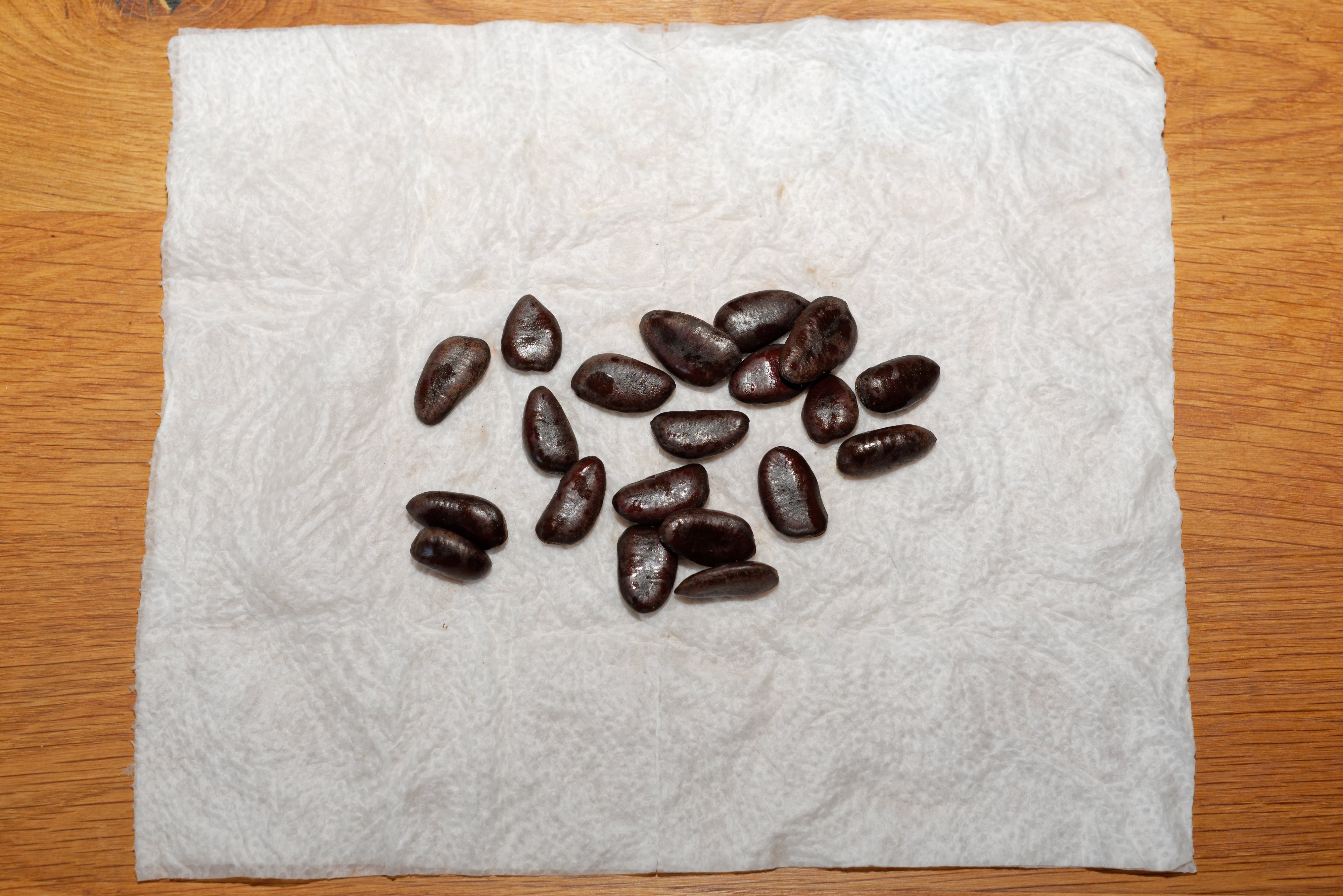
Take 2 pieces of paper towel and lay them on top of each other. Place the seeds in the middle and make the seeds and paper towel damp with the water mister. The paper towel should not be dripping wet, but there should be no dry spots either.
3
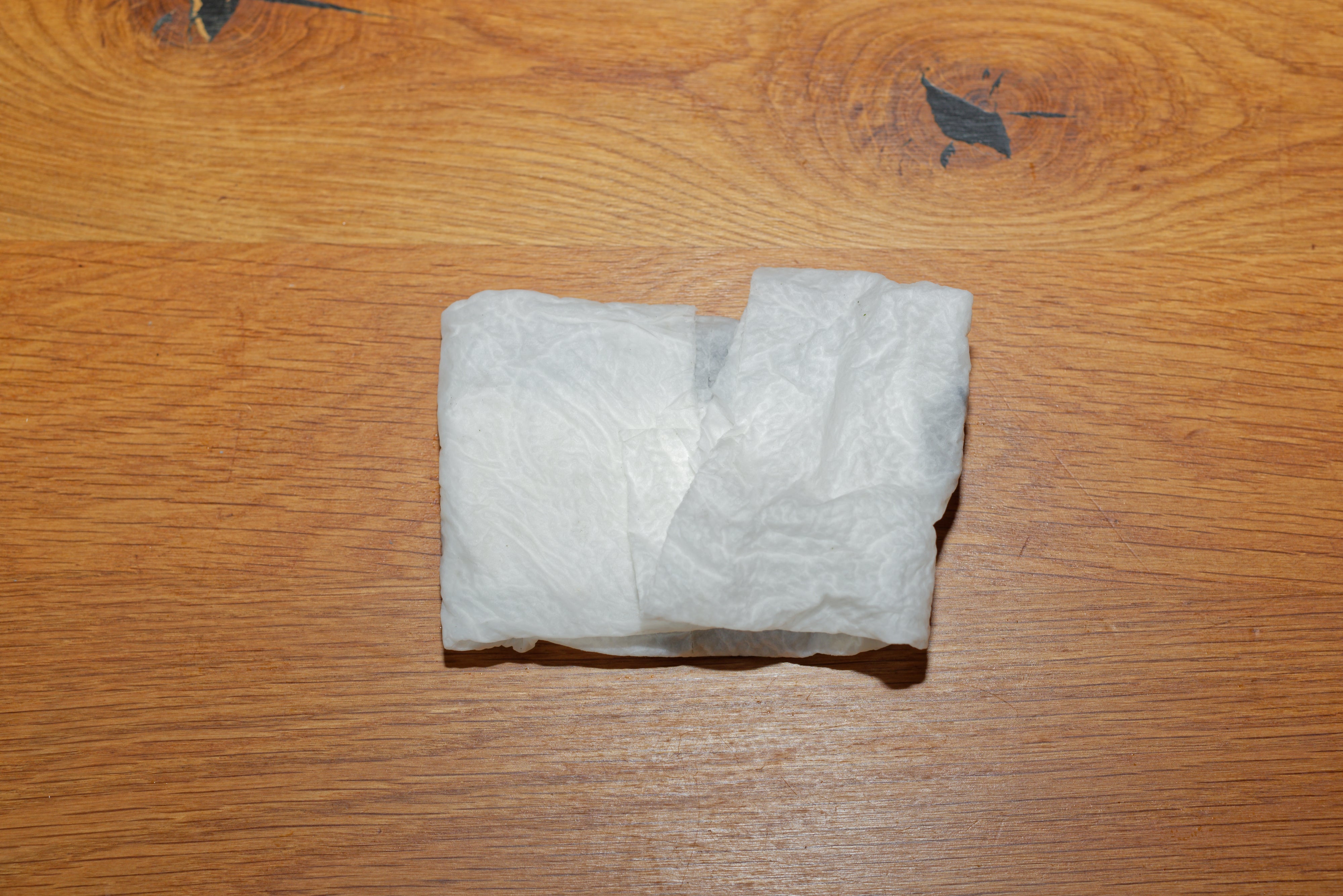
Fold the paper towel around the seeds into a small "package".
4
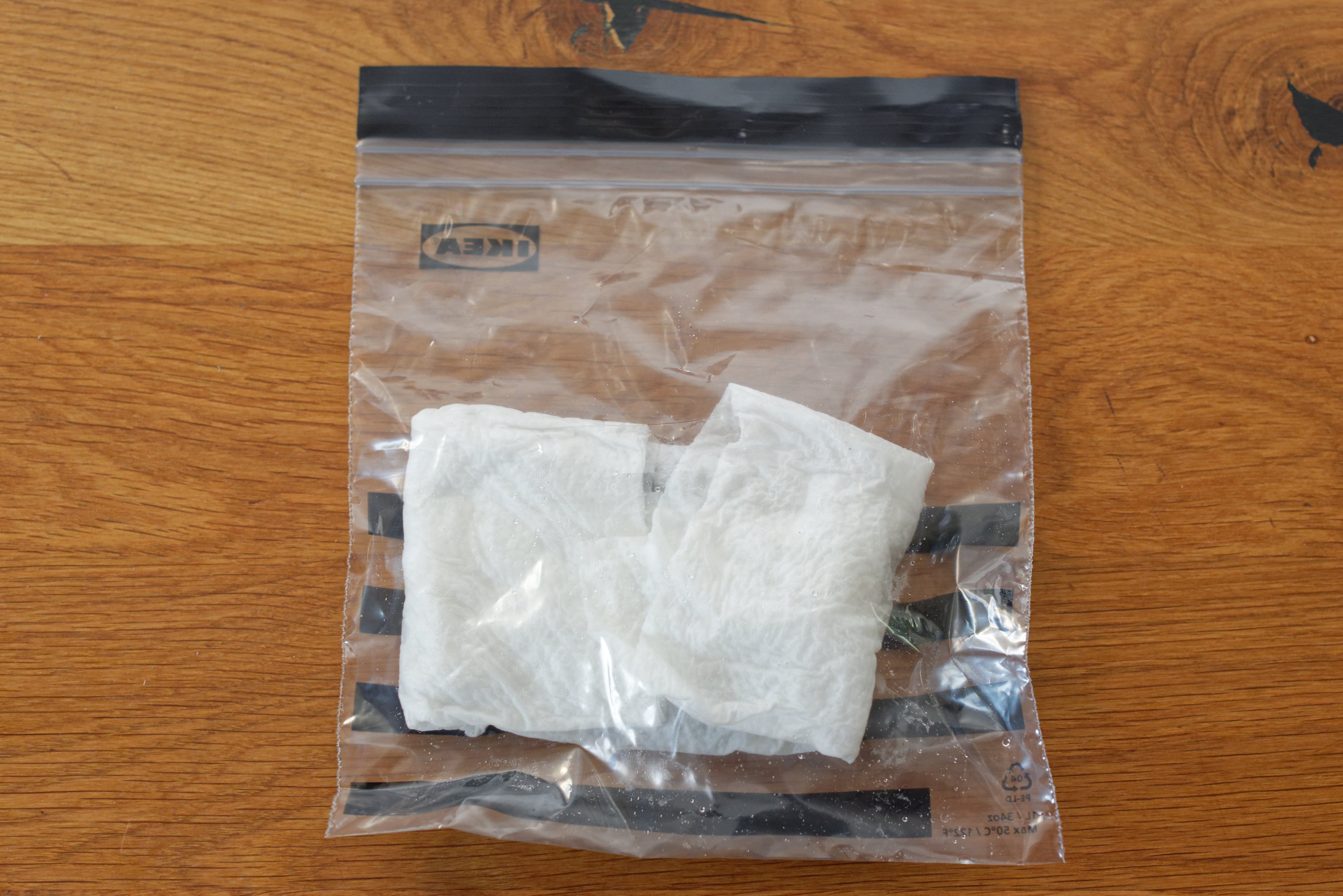
Put the package with seeds into the bag and seal it. (Instead of a bag, you can also use small, transparent, sealable plastic containers).
5
Place the bag in a warm and bright spot (e.g., on top of a refrigerator or on a warm windowsill). It is important, however, that the bag is never in direct sunlight.
6
Keep an eye on the seeds. Check the seeds a couple of times a week (this can be done less frequently for seeds that take a long time – e.g., palms, banana, or passion flower).
7
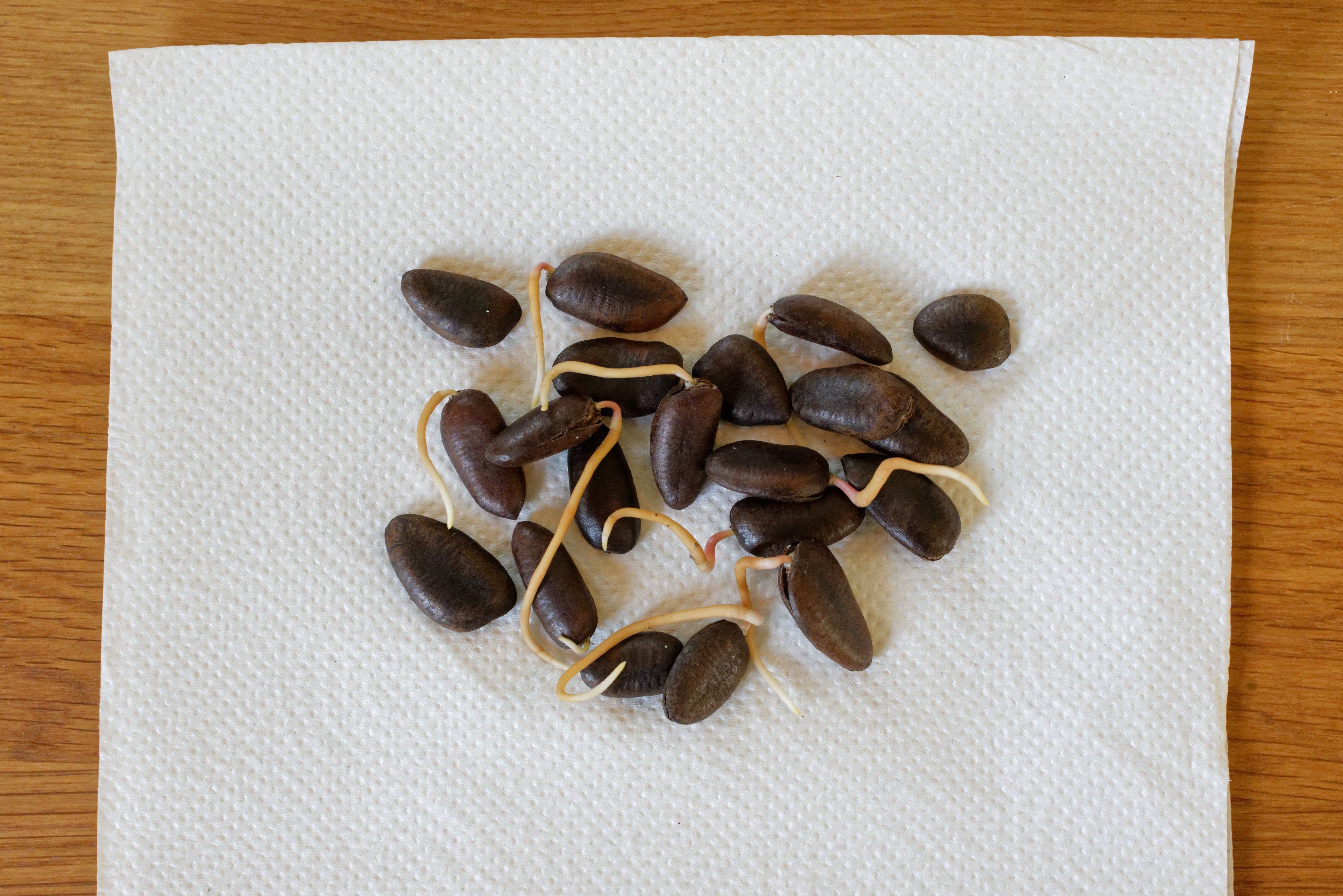
Once the seeds start to germinate, it is time to plant them. Plant them in suitable pots with seed-starting soil or potting soil mixed with sand or perlite. The soil should not be too "strong," as it can burn the new roots. Be careful not to break the new roots when moving the seeds from the paper towel into a pot. If you wait too long to transfer to pots, the roots can take a firm hold on the paper towel, making it difficult to free them without breakage.
8
Place the pots in a warm and bright spot, water, and enjoy the little new plants that are on their way.
Seeds where I use paper towel with success are:
- Cucumber (Cucumis)
- Beans (Phaseolus)
- Cherimoya (Annona cherimola)
- Conica Sugar Apple (Annona conica) (RARE)
- Dragon Blood Tree (Dracaena draco)
- Dwarf Pomegranate (Punica granatum, "nana")
- Darjeeling Banana (Musa sikkimensis)
- Ginseng (Panax ginseng)
- Pomegranate (Punica granatum)
- Pumpkin (Cucurbita)
- Yellow Dragon Fruit (Selenicereus megalanthus)
- Hutan Banana (Musa lawitiensis)
- White Dragon Fruit (Selenicereus undatus)
- Indian Dwarf Banana (Musa mannii)
- Loquat (Eriobotrya japonica)
- Cinnamon (Cinnamomum verum)
- Caper (Capparis spinosa)
- Kapok Tree (Ceiba pentandra)
- Cardamom (Elettaria cardamomum)
- Lipstick Palm (Cyrtostachys renda)
- Madagascar Jewel (Euphorbia leuconeura)
- Melon (Cucumis)
- Mexican Fan Palm (Washingtonia robusta)
- Papaya (Carica papaya) (American dwarf)
- Pawpaw (Asimina triloba)
- Ornamental Banana (Musa acuminata acuminata)
- Red Dragon Fruit (Selenicereus undatus)
- Sensitive Plant (Mimosa pudica)
- Black Bat Flower (Tacca chantrieri)
- Black Pepper (Piper nigrum)
- Squash (Cucurbita)
- Star Fruit (Averrhoa carambola)
- Sweet Wild Banana (Musa balbisiana balbisiana)
- Tomatoes (Solanum)
- Desert Fan Palm (Washingtonia filifera)
- Triangle Palm (Dypsis decaryi)
- Bottle Palm (Hyophorbe lagenicaulis)
- European Fan Palm (Chamaerops humilis)
- Wasabi (Wasabia japonica)
- Peas (Pisum)
The extended "bag germination method" is a technique I use for seeds that require a little extra. The procedure is the same, but instead of paper towel, I use sphagnum moss. I have found that some seeds germinate more easily with this method. This is especially true for the larger seeds.
Seeds where I use sphagnum (instead of paper towel) are:
- Cashew (Anacardium occidentale)
- Date Palm (Phoenix dactylifera)
- Pygmy Date Palm (Phoenix roebelenii)
- Dwarf Bird of Paradise (Strelitzia reginae "Dwarf")
- Flamboyant Tree (Delonix regia)
- Canary Island Date Palm (Phoenix canariensis)
- White Bird of Paradise (Strelitzia alba)
- White Bird of Paradise (Strelitzia nicolai)
- Windmill Palm (Trachycarpus fortunei)
- Indian Almond (Terminalia catappa)
- Royal Palm (Roystonea regia)
- Mandela’s Bird of Paradise (Strelitzia reginae "Mandelas gold")
- Pink Velvet Banana (Musa velutina)
- Mangrove Fan Palm (Licuala spinosa)
- Custard Apple (Annona reticulata)
- Bird of Paradise (Strelitzia reginae)
- Soursop (Annona muricata)
- Narrow-leaved Bird of Paradise (Strelitzia juncea)
- Sugar Apple (Annona squamosa)
- Pond Apple (Annona glabra)
- South American Traveler's Tree (Phenakospermum guyannense)
Enjoy germinating your seeds. If you have questions or species you think are missing from the list, please do not hesitate to contact us.
a Piece of Nature