
Collection: Organic fertilizer and plant care
Organic fertilizer is an important part of good plant care and a natural choice for those who want healthy and thriving plants in the home. Whether you have green houseplants, succulents, orchids, or edible plants, they need the right nutrients to grow and develop optimally. With the right fertilizer, you can support the plants' growth, strengthen their resilience, and highlight their natural beauty.
We have worked with plants for many years and know how much of a difference the right fertilizer can make. That is why we have selected a range of organic fertilizer and plant care products that combine effectiveness, gentleness, and quality. The products are based on natural ingredients, including seaweed and plant extracts, among others, and contain both micro- and macronutrients that support the plants' needs in a balanced way.

-
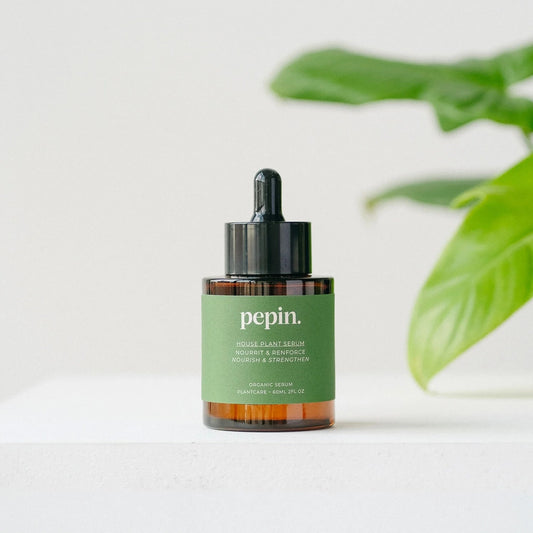
Organic fertilizer (houseplants)
Regular price €9,95 EURRegular price -
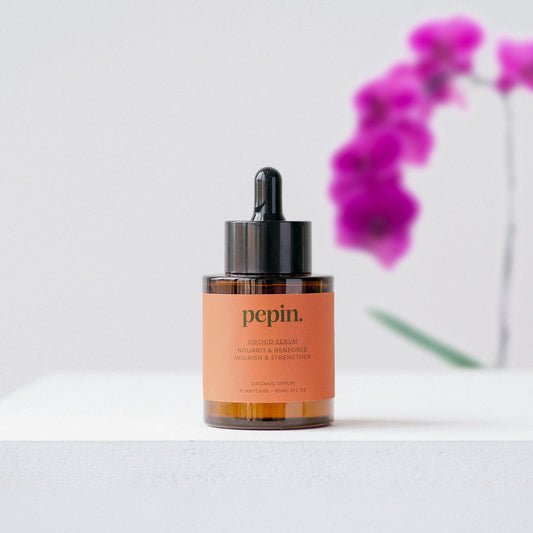
Organic fertilizer (orchid)
Regular price €9,95 EURRegular price -
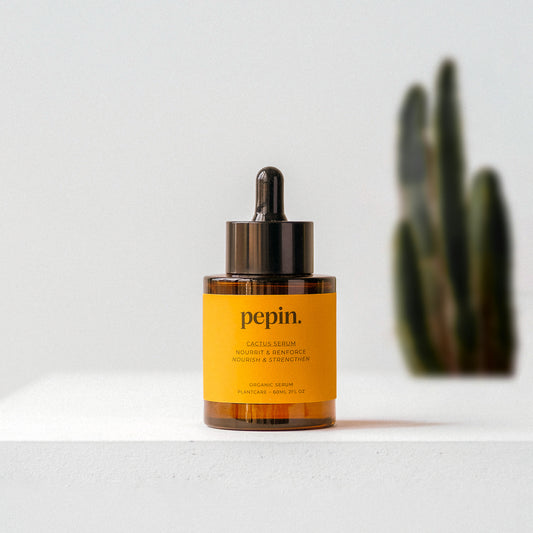
Organic fertilizer (cactus)
Regular price €9,95 EURRegular price -
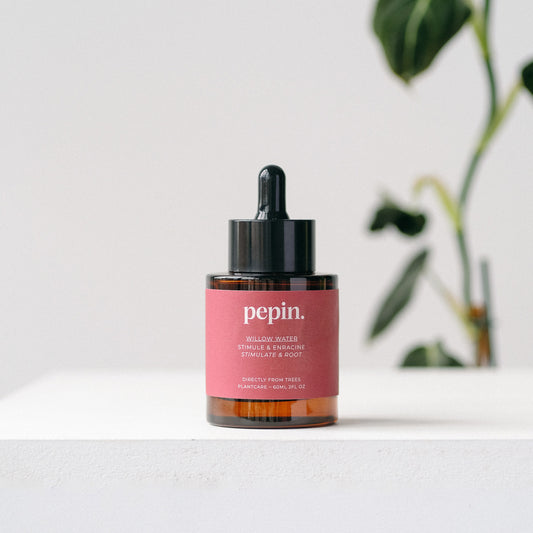
Willow water (natural rooting stimulant)
Regular price €9,95 EURRegular price -
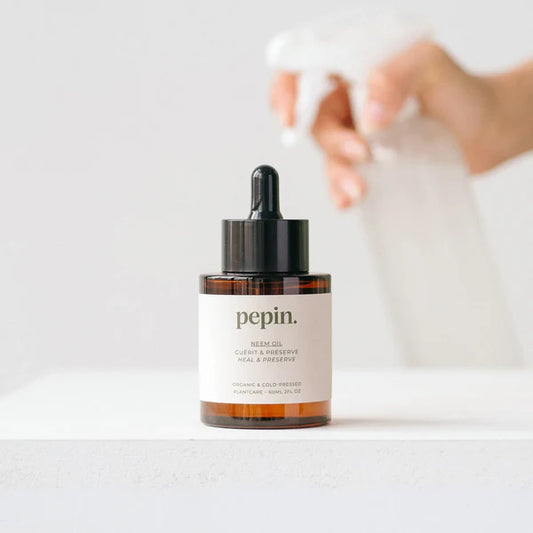
Organic Neem oil
Regular price From €9,95 EURRegular price -
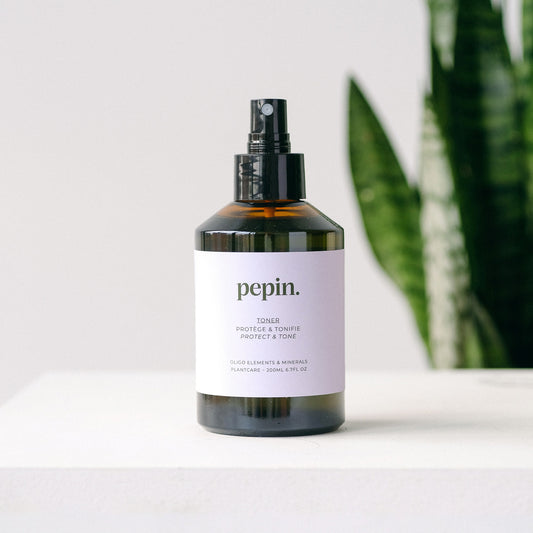
Plant protection spray
Regular price €14,95 EURRegular price -
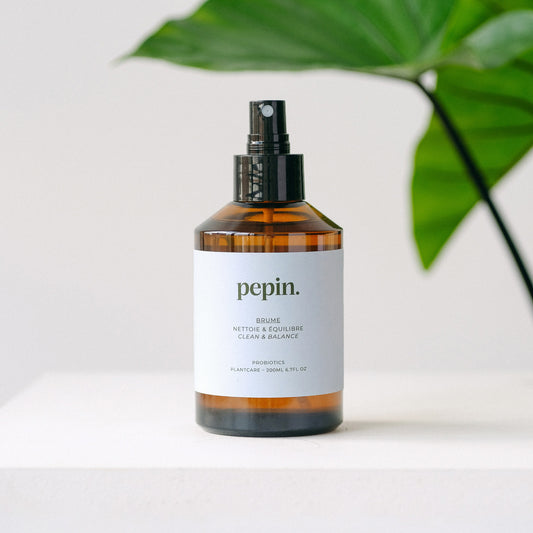
Cleaning spray and plant care
Regular price €14,95 EURRegular price -
Organic fertilizer (multi) | 450 ml
Regular price €20,95 EURRegular price -
Organic fertilizer (Tropical) | 500 ml
Regular price €24,95 EURRegular price -
Long-acting Organic Fertilizer (Tropical)
Regular price €12,95 EURRegular price -
Long-acting organic fertilizer (Orchid)
Regular price €12,95 EURRegular price -
Long-acting organic fertilizer (cactus)
Regular price €12,95 EURRegular price -
 Sold out
 -
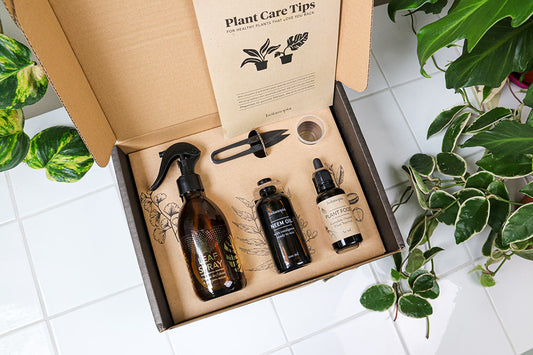
Plant care kit (incl. olla)
Regular price €47,95 EURRegular price€53,95 EURSale price €47,95 EURSale
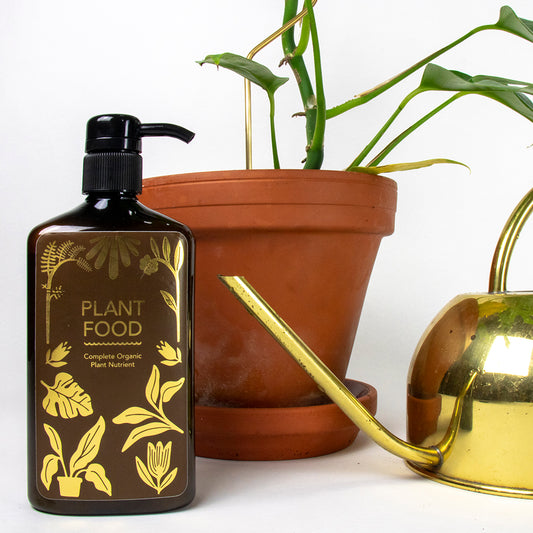


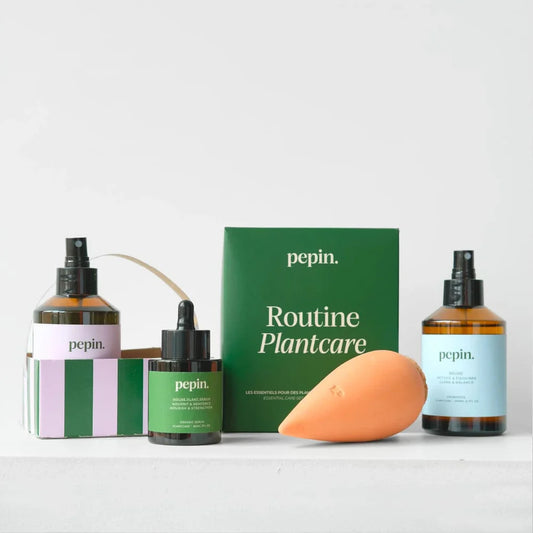
Buy organic fertilizer online
When you buy organic fertilizer from a Piece of Nature, you gain access to a selection carefully curated based on years of experience and professional knowledge. We know that choosing the right solution is not always easy, which is why we focus on making it straightforward to find the exact product that best suits your plants and the way you care for them.
The right fertilizer can make a noticeable difference, whether you have a few plants at home or a larger collection that you tend to with care. Our organic fertilizer is an obvious choice for those who want a simple and more conscious approach to plant care without compromising on quality or effect.
In our assortment, you will find different types of organic fertilizer adapted to specific needs. Some products are developed for common houseplants, while others are targeted at more specialized plants such as cacti, orchids, or tropical rarities. Additionally, you will also find universal fertilizer that can be used broadly, as well as supplementary products such as neem oil, willow water, and various care and protection products.

Use of organic fertilizer
Many are in doubt about how and how often to fertilize their plants, but it does not have to be complicated. The most important thing is to consider the plant's needs and the rhythm of the seasons. During the growing season, most plants need more nutrients, while the need is typically lower during the darker months when growth naturally slows down.
Organic fertilizer is a good choice because it works more gently and supports a natural balance in the plant. It provides nutrients gradually and reduces the risk of over-fertilization, making it suitable for both beginners and more experienced plant owners. At the same time, it is an obvious choice for those who want a more sustainable approach to plant care and products that harmonize with a natural way of growing and caring for plants. All our different organic fertilizers come with easy and simple instructions, so you are never in doubt about how or how much to dose.
Frequently asked questions about organic fertilizer
What is the difference between liquid and solid organic fertilizer?
Liquid organic fertilizer is quickly absorbed by plants and is ideal for regular fertilization during the growing season, when plants need nutrients immediately. It is easy to dose and particularly well-suited for houseplants, pots, and window boxes.
Solid organic fertilizer releases nutrients more slowly and works over a longer period. It also improves soil structure and microbial life, making it suitable as a long-acting fertilizer for both the garden and larger pots.
How do you store organic fertilizer?
Organic fertilizer is best stored in a dark and cool place. A cupboard in the utility room, for example, is a good spot.
- Birgitte
Which organic fertilizer is best for houseplants?
Houseplants generally require a good organic all-around fertilizer. We usually recommend our small organic houseplant fertilizer if you don't have many plants. If you have many plants, we recommend our larger organic fertilizer with easy pump dosing.
- Birgitte
How often should you use organic fertilizer for plants?
As a rule, you should fertilize more in the summer when the plant is growing than in the winter. Some plants, especially cacti and succulents, should not be fertilized at all in the winter. However, most plants benefit from a little bit of fertilizer even in the winter. Each of our products also has a short guide where you can read about the best method to follow.
- Birgitte
What is the difference between organic fertilizer and conventional fertilizer?
Organic fertilizer is based on natural raw materials such as plant and animal matter and releases nutrients slowly in line with the soil's microbiological activity. At the same time, it improves the soil's structure and life.
Conventional (chemical) fertilizer is industrially produced and provides quickly available nutrients, but does not contribute to the long-term health of the soil. Organic fertilizer is therefore a more sustainable choice for both the garden and houseplants.
- Birgitte
Why is organic fertilizer better for the environment and climate?
Organic fertilizer is better for the climate because it is made from natural residual products and requires far less energy to produce than conventional fertilizer. At the same time, it helps build up the soil's carbon content and supports active microbial life, which can sequester CO₂ in the soil.
Synthetic fertilizer, on the other hand, is produced through highly resource-intensive processes that require large amounts of energy and the use of harsh chemicals – for instance, in the production of nitrogen fertilizer. Furthermore, organic fertilizer reduces the risk of nutrient leaching into the aquatic environment, which, all in all, makes it a more sustainable choice for the climate, the soil, and biodiversity.
- Birgitte
Can organic fertilizer be used for all types of plants?
Yes, you can. However, you should be aware that different types of plants require different compositions of organic fertilizer. It is therefore always a good idea to buy the fertilizer intended for your specific plants. For example, using orchid fertilizer for orchids and cactus fertilizer for cacti.
- Martin
Can organic fertilizer attract pests or fungus gnats?
Organic fertilizer does not generally attract pests if used correctly. Most pests target the plant itself – not the fertilizer – and healthy, well-nourished plants are often more resistant to attacks.
By choosing well-composted organic fertilizer, dosing correctly, and avoiding overwatering, you minimize the risk while creating a healthier growing environment for your plants.
- Martin