
Collection: Cacti and succulents
Cacti and succulents are plants with plenty of character and some of the most exciting shapes, colors, and growth patterns to be found in the plant kingdom. From small, compact plants to large, sculptural species, there are cacti and succulents for almost every plant collection and interior.
What they have in common is their ability to store water and survive through dry periods. This makes them not only fascinating to look at, but also plants that, with the right conditions, can be both robust and relatively easy to care for.
We have worked with exotic plants for many years and have a special interest in the more unusual species and varieties. That is why, with us, you will find both well-known cacti and succulents as well as rarer plants that are not always easy to find elsewhere.

-
Desert rose (Adenium obesum) | seeds, 10 pcs.
Regular price €5,95 EURRegular price -
Century Plant (Agave americana) | seeds, 10 pcs.
Regular price €4,95 EURRegular price -
Blue Agave (Agave americana "Toliman Blue") | seeds, 10 pcs.
Regular price €5,95 EURRegular price -
Tequila agave (Agave tequilana) | seeds, 6 pcs.
Regular price €10,95 EURRegular price -
African Aloe (Aloe africana) | seeds, 20 pcs.
Regular price €4,95 EURRegular price -
Krantz Aloe (Aloe arborescens) | seeds, 20 pcs.
Regular price €4,95 EURRegular price -
Branching Aloe "variegata" (Aloe arborescens "variegata") | seeds, 10 pcs.
Regular price €6,95 EURRegular price -
Coastal Aloe (Aloe athraskii) | seeds, 20 pcs.
Regular price €4,95 EURRegular price -
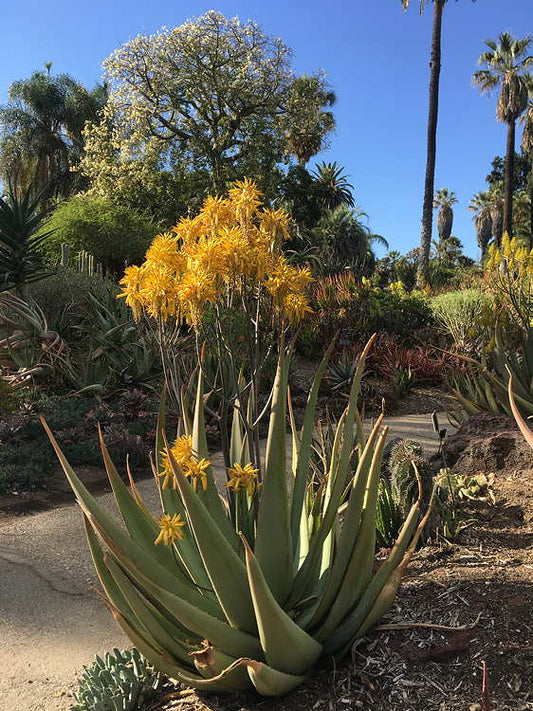
Tree Aloe (Aloe barberae) | seeds, 10 pcs.
Regular price €6,95 EURRegular price -
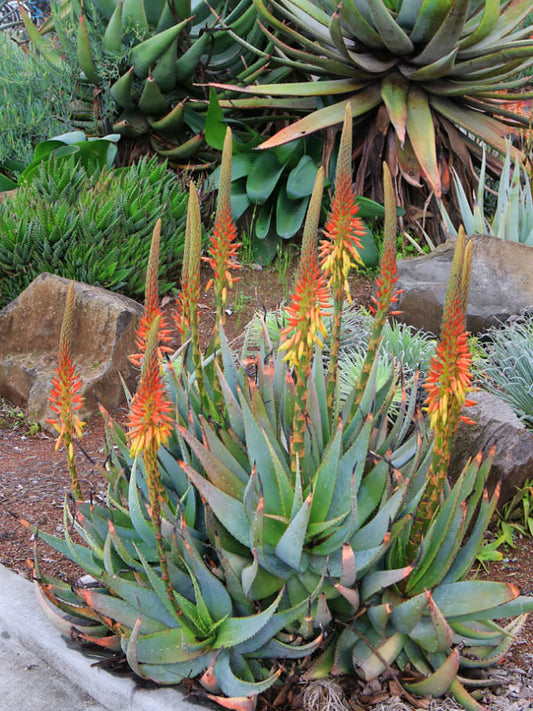
Elegant Aloe (Aloe elegans) | seeds, 20 pcs.
Regular price €4,95 EURRegular price -
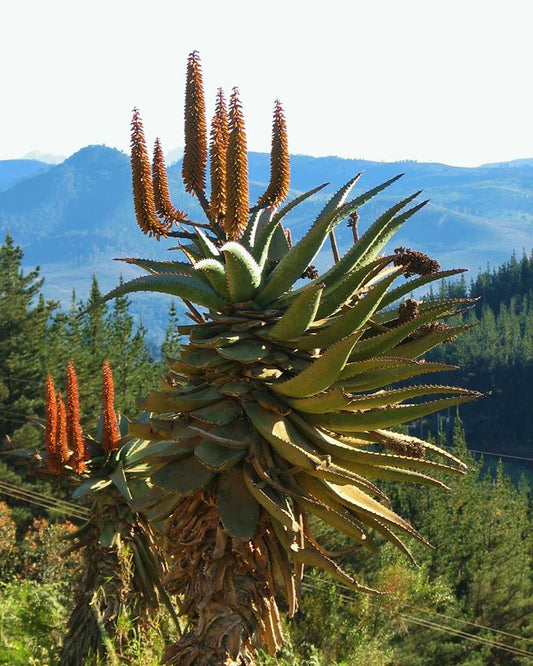
Zimbabwe Aloe (Aloe excelsa) | seeds, 20 pcs.
Regular price €4,95 EURRegular price -
Bitter aloe (Aloe ferox) | seeds, 20 pcs.
Regular price €3,95 EURRegular price -
Speckled Cape aloe (Aloe microstigma) | seeds, 20 pcs.
Regular price €4,95 EURRegular price -
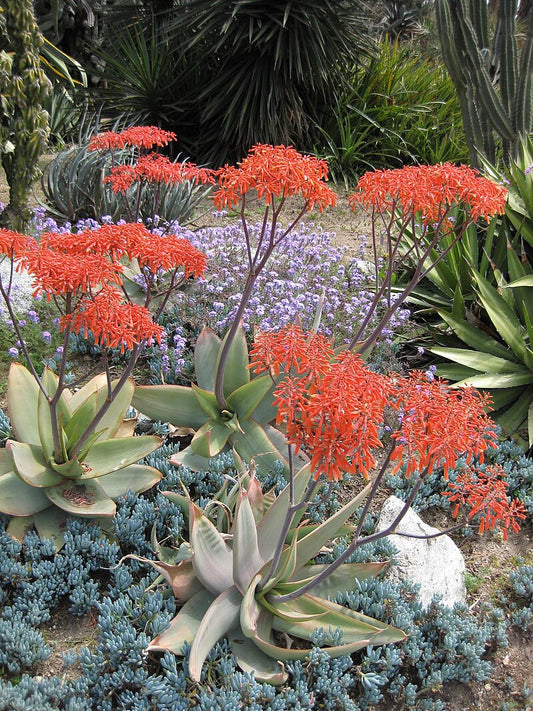
Coral aloe (Aloe striata) | seeds, 20 pcs.
Regular price €4,95 EURRegular price -
Hardy Aloe (Aloiampelos striatula) | seeds, 10 pcs.
Regular price €4,95 EURRegular price -
Elephant's foot (Beaucarnea stricta) | seeds, 10 pcs.
Regular price €8,95 EURRegular price -
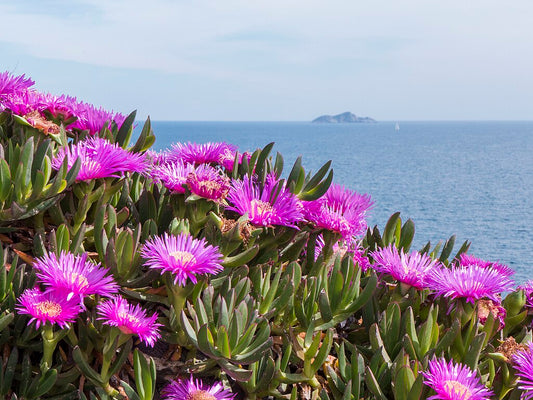
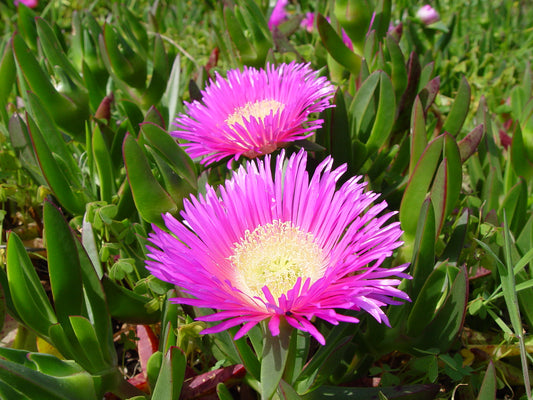
Elisha's Tears (Carpobrotus acinaciformis) | seeds, 10 pcs.
Regular price €4,95 EURRegular price -
Pigface (Carpobrotus dimidiatus) | seeds, 10 pcs.
Regular price €5,95 EURRegular price -
Hottentot-fig (Carpobrotus edulis) | seeds, 10 pcs.
Regular price €4,95 EURRegular price -
Pigface (Carpobrotus virescens) | seeds, 10 pcs.
Regular price €4,95 EURRegular price -
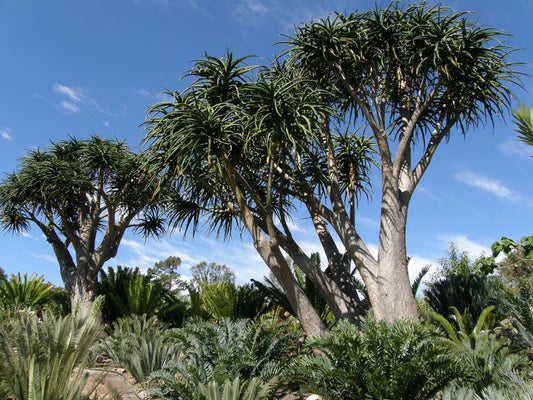
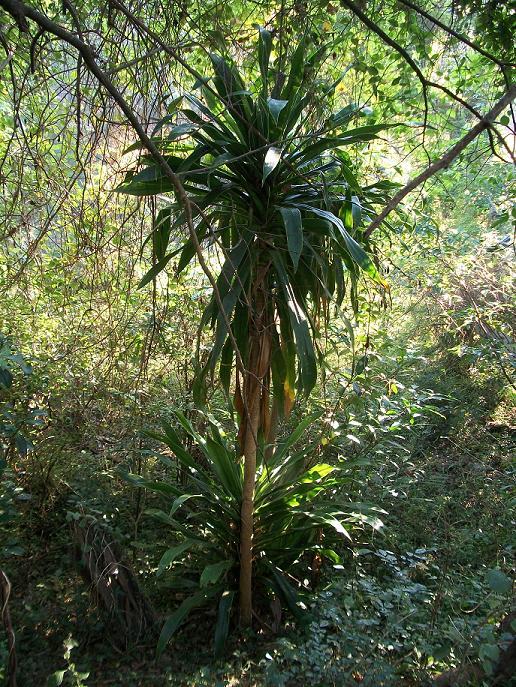
South African dragon tree (Dracaena aletriformis) | seeds, 10 pcs.
Regular price €5,95 EURRegular price -
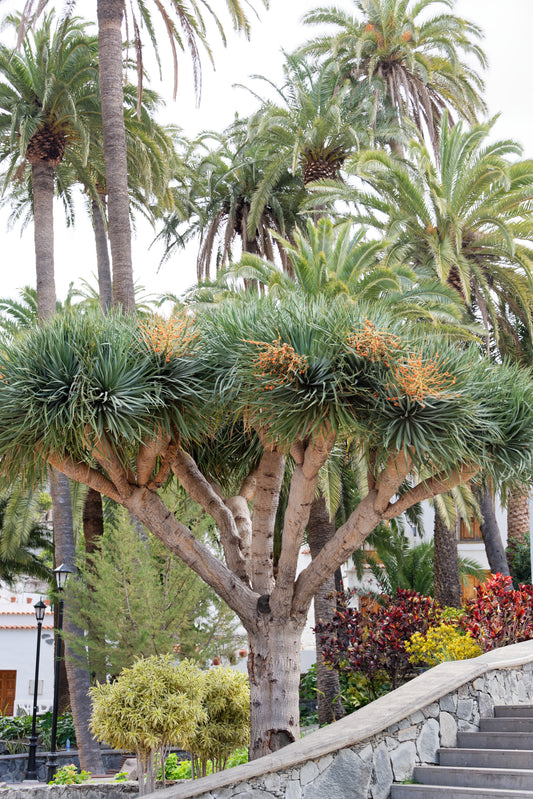
Dragon Blood Tree (Dracaena draco) | seeds, 10 pcs.
Regular price €5,95 EURRegular price€6,95 EURSale price €5,95 EURSale -
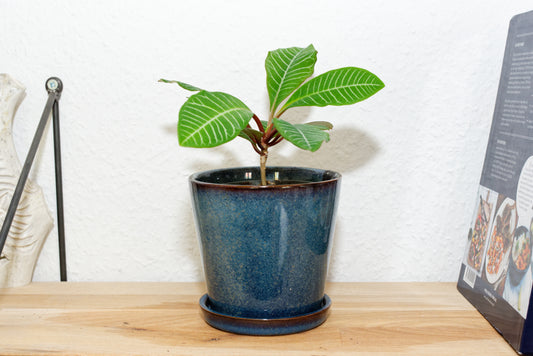
Madagascar Jewel (Euphorbia leuconeura) | seeds, 10 pcs.
Regular price €6,95 EURRegular price -
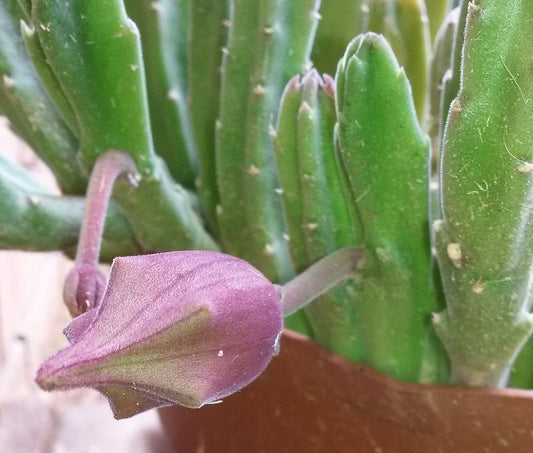
Giant Zulu (Stapelia gigantea) | seeds, 10 pcs.
Regular price €4,95 EURRegular price -
Carrion Plant (Stapelia leendertziae) | seeds, 10 pcs.
Regular price €5,95 EURRegular price -
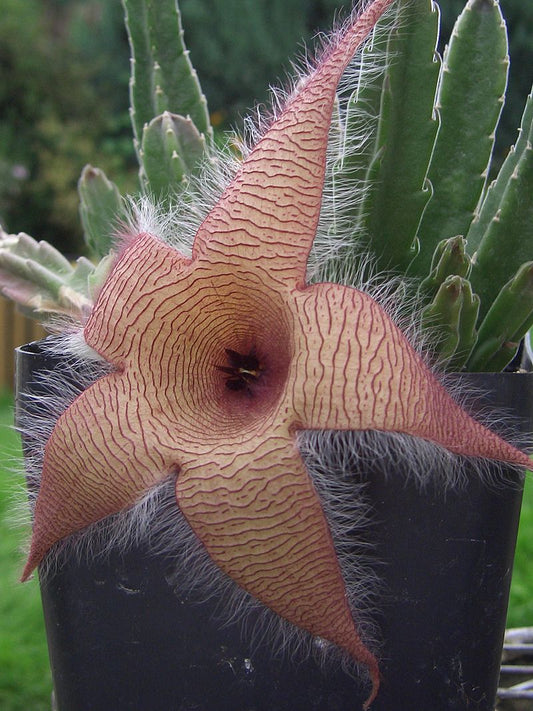
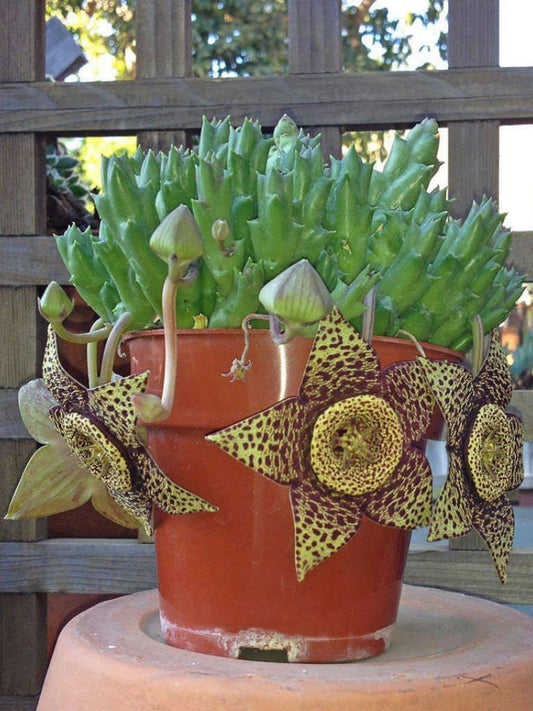
Starfish flower (Stapelia variegata) | seeds, 10 pcs.
Regular price €6,95 EURRegular price -
Welwitschia (Welwitschia mirabilis) | seeds, 5 pcs.
Regular price €27,95 EURRegular price -
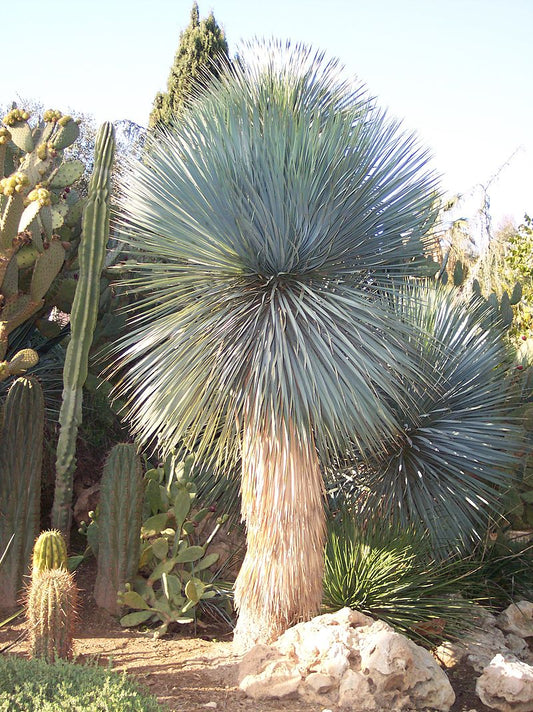
Beaked yucca (Yucca rostrata "Blue Silver") | seeds, 10 pcs.
Regular price €5,95 EURRegular price











Cactus and succulents from seed
A large part of the joy of cacti and succulents is following them right from the beginning. Many species can be grown from seed, and although some grow slowly, it is an exciting way to get plants that can otherwise be difficult to find as finished plants.
Cacti and succulents come in a huge variety of shapes and species, and growing from seed provides an opportunity to experience the entire development of the plant from the first little sprout to an established plant.
-
What are cacti and succulents?
Succulents are plants that have developed the ability to store water in their leaves, stems, or roots. This makes them particularly well-adapted to areas where there can be long periods without rain.
Cacti are also succulents, but they belong to the cactus family, Cactaceae. This means that all cacti are succulents, while not all succulents are cacti.
The group is very broad and includes everything from small rosette-shaped plants to large columnar cacti and succulents with almost tree-like growth.
Among the many types, you will find, for example:- Cacti with spherical, columnar, or trailing growth
- Succulents with thick, decorative leaves
- Caudex plants with thick trunks or swollen roots
- Rare species with unusual shapes, thorns, and growth patterns
Common to them all is a striking and often almost sculptural appearance. -
Cacti and succulents in the home
Cacti and succulents are especially well-suited for those who want plants with distinct shapes and a unique look.
They can be used individually as small focal points or gathered in groups, where their differences in shape, height, and texture really come into their own. Many species do not take up much space and are therefore also ideal for windowsills, shelves, and other places where larger plants can be difficult to place.
The slow-growing species can also be plants that you enjoy for many years. Over time, many of them develop a very special character that only becomes more interesting with age.

Caring for cactus succulents
Cacti and succulents are often considered plants that require almost no care. While they are indeed good at enduring drought, they thrive best when given the right conditions.
The most important things are:
- Plenty of light – many species thrive best in direct sunlight
- Well-draining soil so the roots do not sit in water
- Thorough watering followed by a period where the soil is allowed to dry out
- Fertilizer during the growing season, adapted to the plant's needs
One of the most common mistakes is watering too often. Cacti and succulents are built to store water, and constantly moist soil can therefore quickly cause problems with the roots.
During the winter, many species grow more slowly and therefore need significantly less water than in the summer months.
Some species benefit from being kept outdoors in the summer, where they can get plenty of light and fresh air. However, most must be protected from frost and moved back inside before the temperature gets too low.
Buy cacti and succulents online
When you buy cacti and succulents from a Piece of Nature, you will find a selection curated with a focus on exciting and unique species, high quality, and plants with something special.
We are particularly fond of plants that stand out, and therefore we constantly strive to find both classic favorites and rarer species and varieties that can be difficult to find in regular stores.
Whether you are looking for your first cactus, a decorative succulent for your windowsill, or a rarer species for your collection, cacti and succulents are a group of plants with almost endless possibilities.
Frequently Asked Questions about cacti and succulents
Are cacti and succulents easy to care for?
Yes, many cacti and succulents are relatively easy to care for if they get plenty of light and are not watered too often. The most common mistake is overwatering. Therefore, as a rule of thumb, let the soil dry out well between waterings.
How often should cacti and succulents be watered?
It depends on the species, temperature, season, pot size, and location. During the growing season, the plants can be watered thoroughly once the soil has dried out. In winter, many species need significantly less water.
It is therefore better to feel the soil and keep an eye on the plant than to water according to a fixed schedule.
How much light do cacti and succulents need?
Most cacti and many succulents thrive best in plenty of light, and several species can be placed in direct sunlight.
Plants that are not used to intense sunlight should, however, be accustomed to direct sun gradually, as a sudden change can cause sun damage.
What soil should cacti and succulents be planted in?
Cactus and succulents thrive best in an airy and well-drained soil mix, where excess water can quickly drain away. We therefore also sell a special soil for cactus and succulents.
A heavy soil that retains moisture for a long time increases the risk of rot in the roots and stem.
Can cacti and succulents be kept outside?
Many cacti and succulents benefit from being kept outside during the summer months, where they receive more light and good air circulation.
However, most species do not tolerate the Danish winter and must therefore be brought inside before frost arrives. There are a few cold-tolerant species, but the temperatures a plant can withstand depend entirely on the individual species. In general, if a cactus or succulent is to remain outdoors during the winter, it requires well-draining soil and preferably some protection.
How do I best fertilize my cacti and succulents?
Cacti and succulents generally have modest fertilizer needs. They naturally grow in nutrient-poor conditions, and too much fertilizer can lead to soft and unnatural growth.
Therefore, fertilize primarily during the growing season – typically from spring to late summer – and preferably use a fertilizer developed specifically for cacti and succulents. It should have a moderate nitrogen content while providing the other nutrients the plants need.
We recommend our organic fertilizer for cacti and succulents, which is formulated with this specific plant group in mind. Follow the dosage on the product, and remember that with cacti and succulents, it is usually better to fertilize little and often rather than giving a strong dose.
During autumn and winter, when many species go dormant or grow very slowly, fertilizer can usually be omitted entirely.