
Collection: Carnivorous plants
Carnivorous plants are some of the most fascinating plants you can have in your home. They stand out from more classic houseplants, both in appearance and in their way of life, which is precisely why they have become popular with both plant enthusiasts and beginners.
For more than 15 years, we have been working with carnivorous plants and have also assisted the Botanical Garden in Copenhagen with their collection. Carnivorous plants are, rightfully, our passion and something we value highly. Below, you can see the carnivorous plants we have for sale.
-
Albany pitcher plant (Cephalotus follicularis)
Regular price €16,95 EURRegular price -
Queensland Sundew (Drosera adelae)
Regular price €13,95 EURRegular price -
Alice sundew (Drosera aliciae)
Regular price €6,95 EURRegular price€8,95 EURSale price €6,95 EURSale -
Forked-leaved sundew (Drosera binata)
Regular price €8,95 EURRegular price -
Cape sundew (Drosera capensis "alba")
Regular price €6,95 EURRegular price€8,95 EURSale price €6,95 EURSale -
Thread-leaved Sundew (Drosera filiformis)
Regular price €6,95 EURRegular price€8,95 EURSale price €6,95 EURSale -
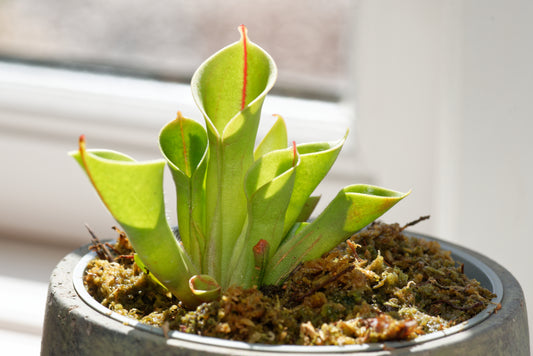
Sun pitcher (Heliamphora minor)
Regular price €16,95 EURRegular price -
Pitcher plant (Sarracenia x Maroon)
Regular price €6,95 EURRegular price€8,95 EURSale price €6,95 EURSale -
Venus flytrap (Dionaea muscipula "typical")
Regular price €6,95 EURRegular price€8,95 EURSale price €6,95 EURSold out -
Cape sundew (Drosera capensis "typical")
Regular price €6,95 EURRegular price€8,95 EURSale price €6,95 EURSold out -
 Sold out
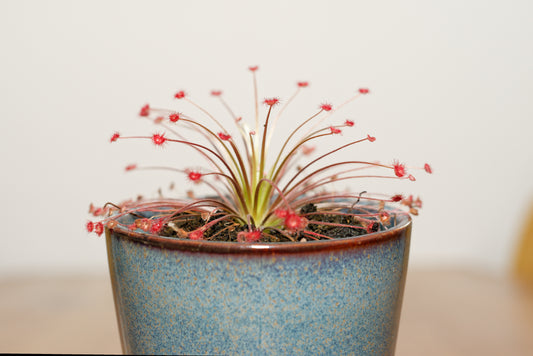
Fluted Sundew (Drosera paradoxa)
Regular price €8,95 EURRegular price -
 Sold out
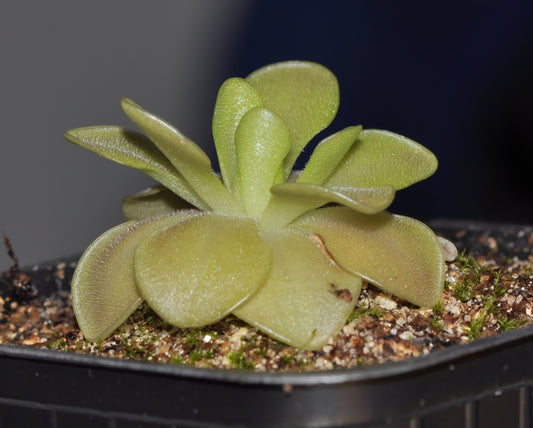
Butterwort (Pinguicula x Weser)
Regular price €8,95 EURRegular price€9,95 EURSale price €8,95 EURSold out -
 Sold out
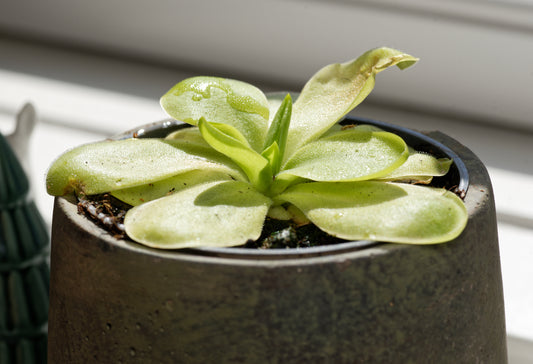
Butterwort (Pinguicula x Tina)
Regular price €8,95 EURRegular price€9,95 EURSale price €8,95 EURSold out -
 Sold out
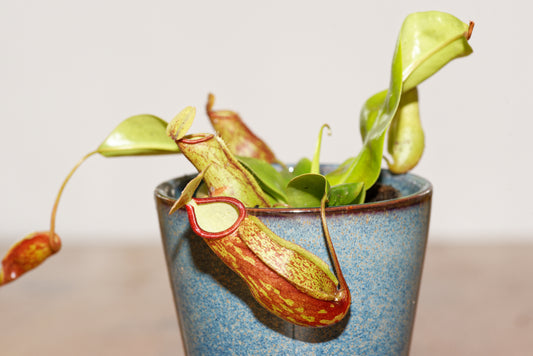
Pitcher plant (Nepenthes x Gaya)
Regular price €13,95 EURRegular price -
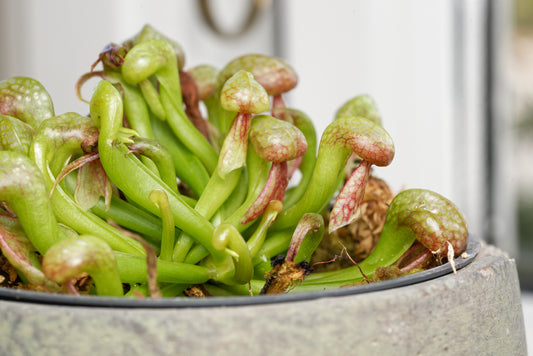
Cobra lily (Darlingtonia californica)
Regular price €12,95 EURRegular price -
 Sold out
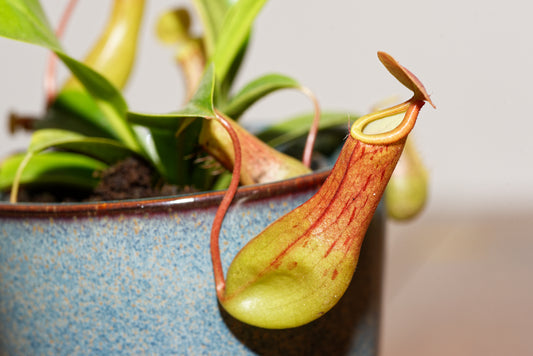
Pitcher plant (Nepenthes alata)
Regular price €13,95 EURRegular price -
Pitcher plant (Sarracenia x Philadelphia)
Regular price €6,95 EURRegular price€8,95 EURSale price €6,95 EURSold out -
Pitcher plant hybrid (Nepenthes mirabilis globosa x ampullaria)
Regular price €10,95 EURRegular price€13,95 EURSale price €10,95 EURSold out -
Pitcher plant (Nepenthes sanguinea hybrid)
Regular price €10,95 EURRegular price€13,95 EURSale price €10,95 EURSold out -
 Sold out
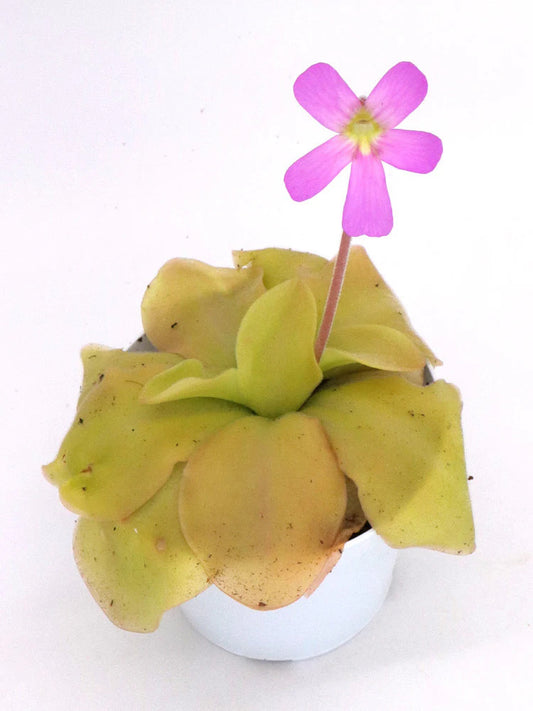
Butterwort (Pinguicula "Guatemala")
Regular price €8,95 EURRegular price -
Queensland Sundew (Drosera prolifera)
Regular price €13,95 EURRegular price -
Queensland Sundew (Drosera andromeda)
Regular price €10,95 EURRegular price€13,95 EURSale price €10,95 EURSold out -
 Sold out
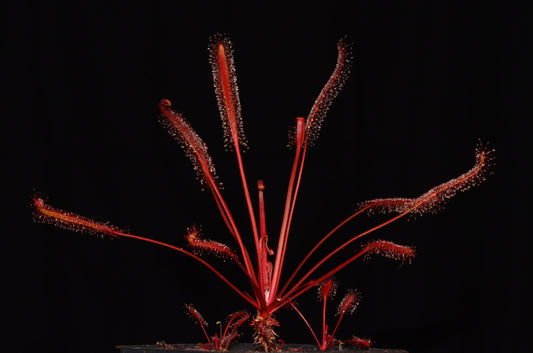
Cape sundew (Drosera capensis "red")
Regular price €12,95 EURRegular price -
Queensland Sundew (Drosera schizandra)
Regular price €13,95 EURRegular price -
Venus flytrap (Dionaea muscipula "Cup trap")
Regular price €13,95 EURRegular price -
Venus flytrap (Dionaea muscipula "UK Sawtooth")
Regular price €13,95 EURRegular price

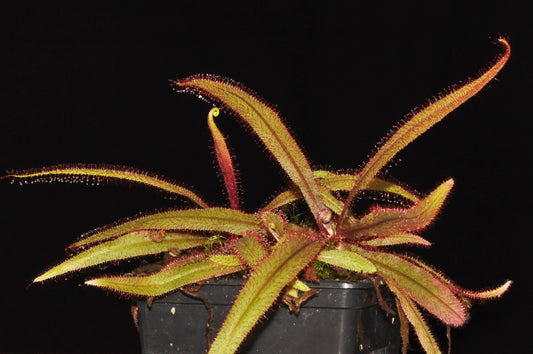
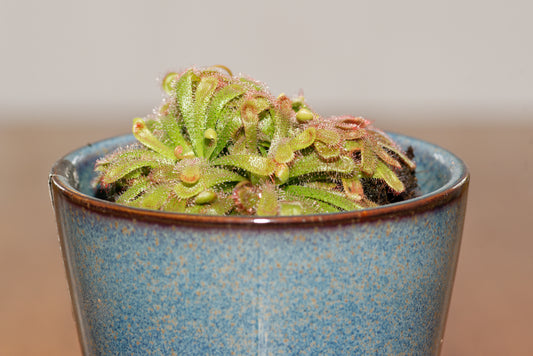
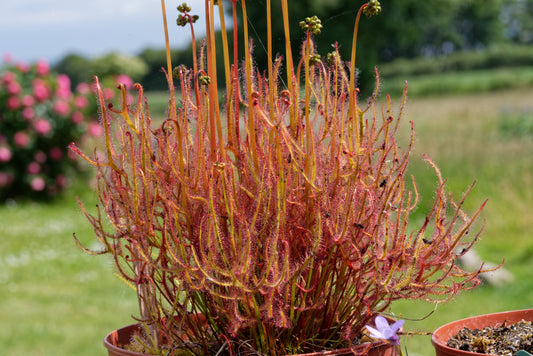
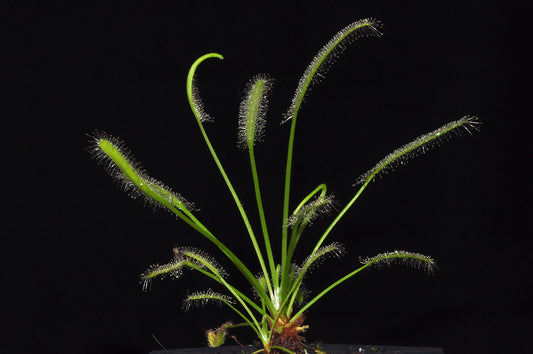




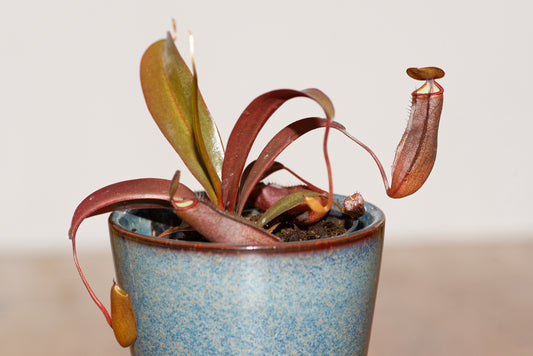


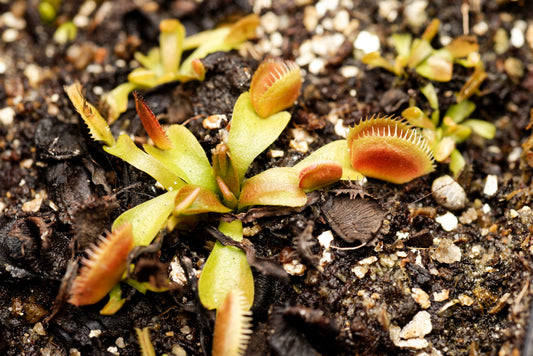

Martin and his carnivorous plants
Martin has worked with carnivorous plants for many years, and they have always been a central part of our universe. Over time, we have built up extensive experience in cultivation, selection, and care. For us, it is important to offer plants that not only look beautiful but also have the best conditions to thrive in the home. Therefore, our selection is curated with a focus on quality, health, and the joy of cultivation.

Great diversity
In our assortment, you will find several different types of carnivorous plants, each with its own unique characteristics and ways of catching insects:
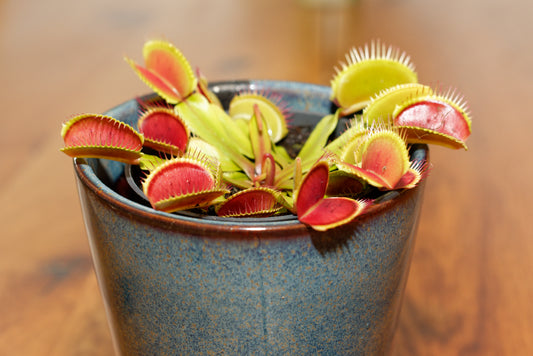
- Venus flytrap (Dionaea muscipula) – snaps shut quickly on its prey
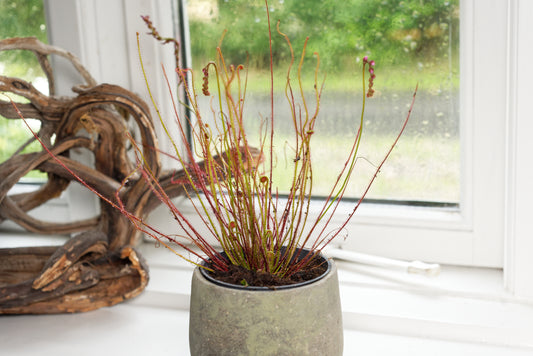
- Sundew (Drosera) – catches insects with sticky droplets
- Pitcher plant (Nepenthes) – lures insects into “pitchers”
- Trumpet pitcher (Sarracenia) – catches insects in long tubes
- Butterwort (Pinguicula) – uses sticky leaves
What they all have in common is that they combine something decorative with something unusual, and that is exactly what makes them so interesting.
Care of carnivorous plants
Many believe that carnivorous plants are difficult to care for, but this is often a misconception. When they are given the right conditions, they are generally easy to keep. The most important things are that they get plenty of light (preferably direct sunlight), the right water (without lime), and a type of soil without fertilizer that suits their natural needs. As a general rule, carnivorous plants should not be given regular potting soil or fertilizer. Instead, they thrive best when you keep the care simple and let the plant do what it was made to do.
One of the reasons so many choose carnivorous plants is that they are beautiful, unique, and full of character. They work well as eye-catchers in the home and are also an obvious gift idea for someone who wants something more special than a classic green plant. They fit well into modern homes, offices, and small green collections where you want to add something that sparks curiosity.
Read our guide to caring for carnivorous plants:
Buy carnivorous plants online
When you buy carnivorous plants online from a Piece of Nature, you gain access to a selection curated with a focus on quality and professional expertise. We know that many want to get started with carnivorous plants but may be unsure which type to choose. Therefore, we want not only to offer the plants, but also to make it easier to understand the differences between them and find the plant that best suits your wishes and environment.
Carnivorous plants are an obvious choice for those who want a plant with personality. They are decorative, lively, and unique, and they add something special to the home. At the same time, they are a great choice for those who want to explore unique plants that stand out from the ordinary, without it having to be difficult or overwhelming.
Frequently asked questions about carnivorous plants
Are carnivorous plants difficult to care for?
No - Carnivorous plants are not difficult to care for. As long as you have the essentials in place. The most important thing is that carnivorous plants cannot tolerate lime in the water. I therefore recommend using rainwater or demineralized water. Furthermore, it is important to use soil specifically for carnivorous plants. They cannot tolerate fertilizer either. Finally, most carnivorous plants need plenty of light, preferably direct sunlight. In the summer, they can advantageously be placed outside in the sun.
- Martin
Which carnivorous plant is best for beginners?
For beginners, I would recommend the different varieties of the sundew called Drosera capensis. I personally think the normal one, with red tentacles, is super beautiful. But it is also available in, among others, a completely green and a red variant. It can be kept both outdoors and on a sunny windowsill.
- Martin
How do you water carnivorous plants correctly?
First and foremost, you must use lime-free water. After that, I usually say that they are some of the easiest plants to water. Because they "just" need to stand in water all the time. The easiest way is to let the pot sit in a saucer with a few centimeters of water, which is always filled. This helps to keep the soil constantly moist.
- Martin
Do carnivorous plants need insects to survive?
No, carnivorous plants do not strictly require insects to survive. However, it helps fertilize the plant so that it grows better. It is important to note, however, that you should not attempt to feed the plants yourself. It is best to let the plants catch their own insects. They will manage that just fine, even if they are placed on a windowsill :)
- Martin
Can carnivorous plants stay indoors all year round?
Yes, carnivorous plants can certainly be kept indoors all year round. In particular, the various sundews are best suited for this. However, make sure to find a south-facing windowsill with plenty of light. In the winter, the plants might look a bit dull, but don't worry. They will grow back beautifully when summer arrives.
- Martin