
Collection: Sugar apple seeds (Annona)
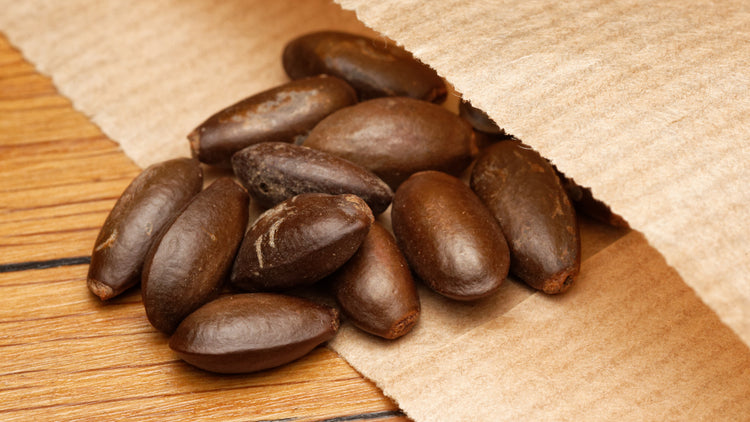
Sugar apples and other Annona species are among the more exciting exotic fruit plants that you can grow from seed. The genus includes a number of tropical and subtropical fruit trees with decorative leaves, distinctive flowers, and not least the characteristic fruits, which in several species have a sweet and aromatic flesh.
At a Piece of Nature, you will find a changing selection of Annona seeds, so you can grow the plants yourself right from the beginning. The assortment can include sugar apple, cherimoya, and other exciting species and varieties within the Annona genus.
These are plants that naturally belong to much warmer climates than the Danish one, but they can be grown as exotic potted plants in Denmark when given sufficient light and warmth.
Buy 4 packs of seeds (or more) and get a 10% discount
-
Cherimoya (Annona cherimola) | seeds, 10 pcs.
Regular price €6,95 EURRegular price€8,95 EURSale price €6,95 EURSale -
Conical sugar apple (Annona conica) | seeds, 5 pcs.
Regular price €8,95 EURRegular price -
Araticum (Annona crassiflora) | seeds, 3 pcs.
Regular price €25,95 EURRegular price -
Fragrant sugar apple (Annona edulis) | seeds, 10 pcs.
Regular price €5,95 EURRegular price -
Pond apple (Annona glabra) | seeds, 5 pcs.
Regular price €6,95 EURRegular price -
Soursop (Annona muricata) | seeds, 5 pcs.
Regular price €5,95 EURRegular price€7,95 EURSale price €5,95 EURSale -
Soncoya (Annona purpurea) | seeds, 6 pcs.
Regular price €5,95 EURRegular price€5,95 EURSale price €5,95 EUR -
Custard apple (Annona reticulata) | seeds, 10 pcs.
Regular price €5,95 EURRegular price -
Sugar apple (Annona squamosa) | seeds, 10 pcs.
Regular price €5,95 EURRegular price

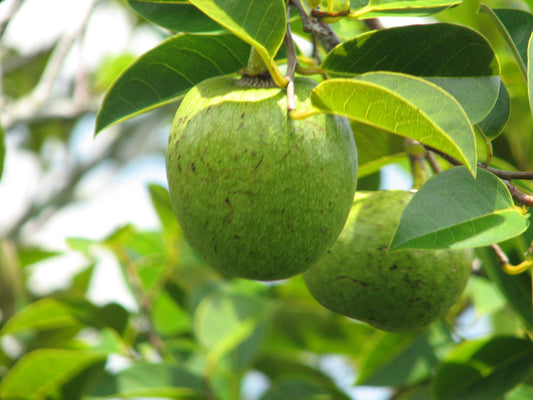
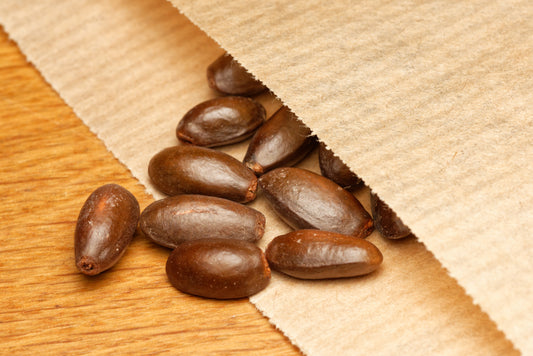
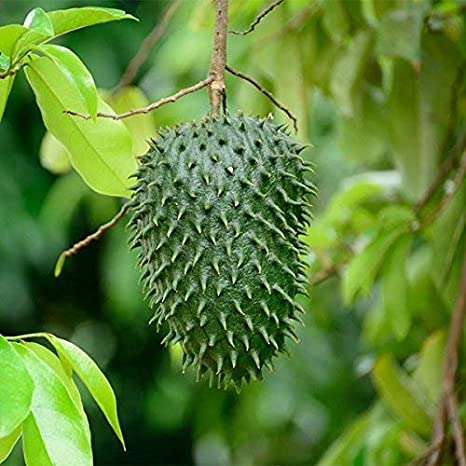
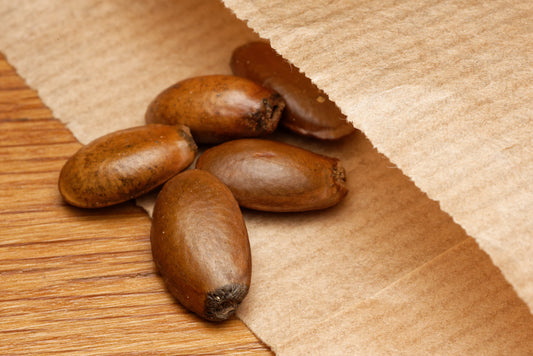
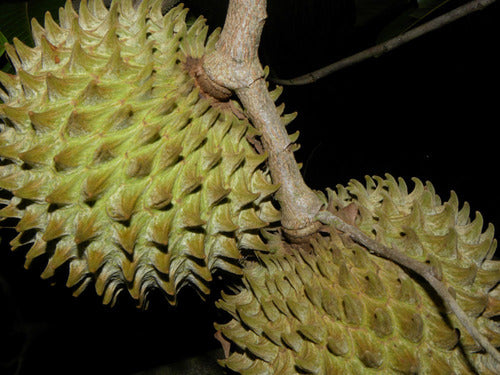
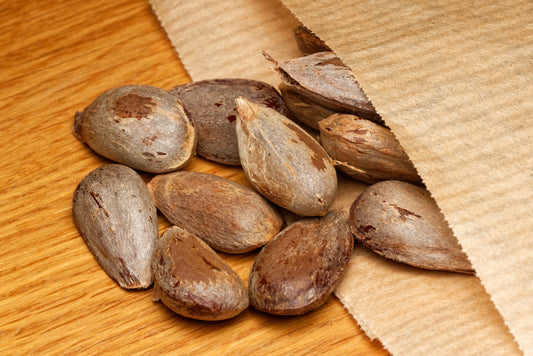
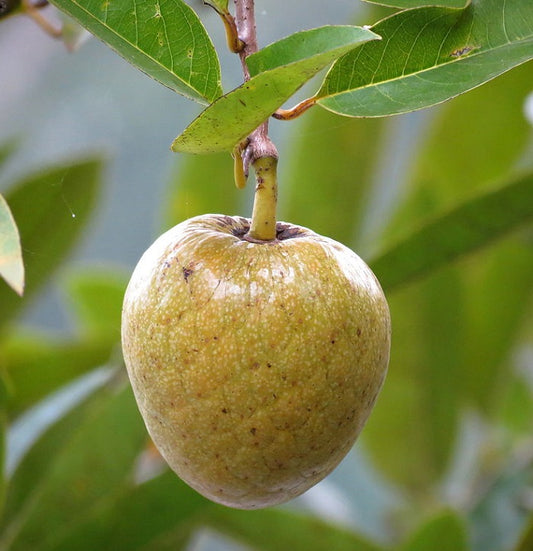
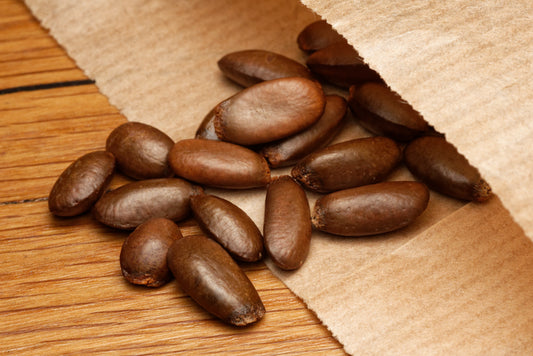
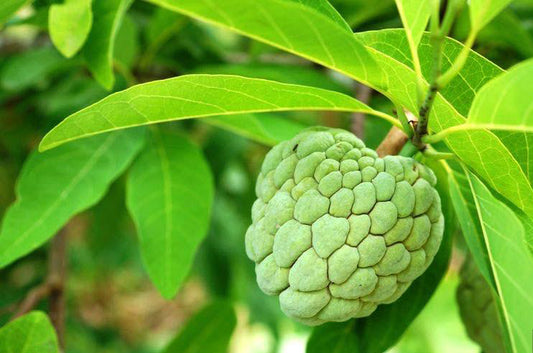
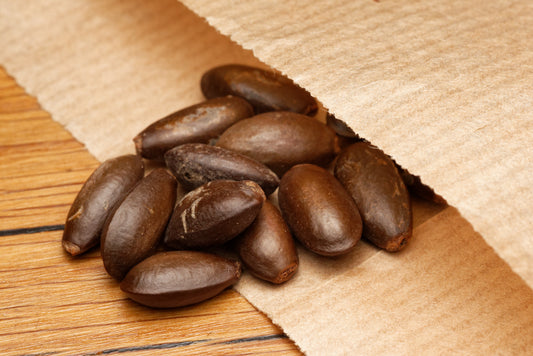

What is Annona?
Annona is a plant genus in the Annonaceae family and includes a wide range of species of trees and shrubs, which are found especially in tropical and subtropical areas.
Several species are cultivated for their edible fruits. At first glance, they may resemble each other, but they vary in terms of fruit appearance, taste, plant growth, and the climatic conditions they prefer.
Among the well-known species are, for example:
- Annona squamosa – sugar apple
- Annona cherimola – cherimoya
- Annona muricata – soursop or graviola
- Annona reticulata – often known as custard apple
- various other species and varieties, each with their own characteristic fruits and growth forms
This makes Annona an exciting genus to explore if you are interested in exotic fruit plants.
Annona as a potted plant in Denmark
Although Annona is associated with tropical fruits, the plants can easily be grown in Denmark as potted plants.
A pot also makes it possible to move the plant according to the season. In summer, many Annona plants benefit from a warm and sunny location outdoors, in a greenhouse, or in a conservatory.
Plants that have been indoors should be gradually accustomed to strong, direct sunlight before being placed permanently outdoors.
When temperatures drop again, the plants must be moved back to a frost-free location. The ideal overwintering temperature depends on the individual species.

Sugar apple (Annona squamosa)
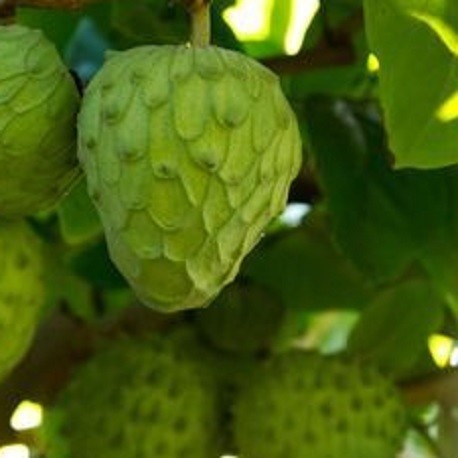
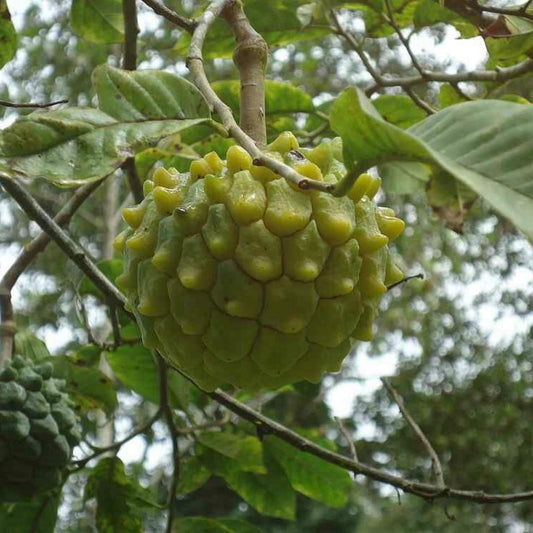
Annona squamosa is the species commonly known as the sugar apple. The name comes from the sweet fruit, which has a characteristic surface consisting of many rounded segments.
Inside hides a light, soft, and sweet pulp surrounding the dark seeds.
Sugar apple is grown in warm regions in many parts of the world and develops into a shrub or a small tree. As a potted plant, its size can be limited, and the plant can be pruned if it becomes too large.
Young plants have a light and elegant appearance with elongated green leaves and are interesting to grow, even long before they are potentially old enough to flower.

Cherimoya (Annona cherimola)
Cherimoya, Annona cherimola, is another of the best-known species within the genus.
The fruit has green skin and a light, creamy flesh with a sweet and aromatic flavor. It is sometimes referred to as a custard apple, although this name is also used for other species and can therefore cause confusion.
Annona cherimola originates from high-altitude areas in South America and is generally better adapted to slightly cooler conditions than several of the purely tropical Annona species.
However, it does not tolerate Danish winter cold and is best grown here as a potted plant that can be moved between a warm and bright summer location and frost-free overwintering.
-
Can you get sugar apples and cherimoya in Denmark?
It is possible to get Annona plants to bloom and in some cases set fruit in Denmark, but it requires good conditions and patience.
The plants must first have time to become sufficiently large and mature. Subsequently, flowering and fruit setting require, among other things, plenty of light, warmth, and nutrition.
A greenhouse or a bright conservatory therefore provides significantly better opportunities than a darker indoor location.
Pollination can also be significant for fruit setting. For some Annona species, hand pollination can be helpful if the plant blooms in conditions where natural pollinators are not present.You should therefore primarily grow Annona for the experience of the plant itself. If you later succeed in getting flowers and perhaps even fruits, it is an added bonus.
-
Grow Annona from seeds
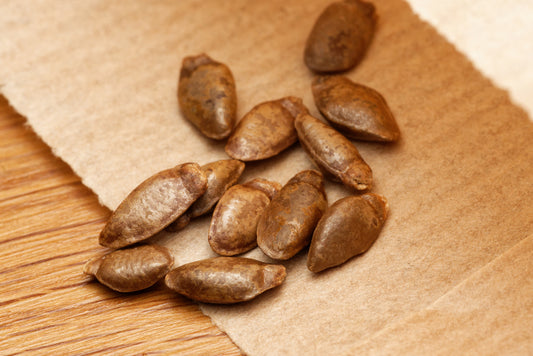
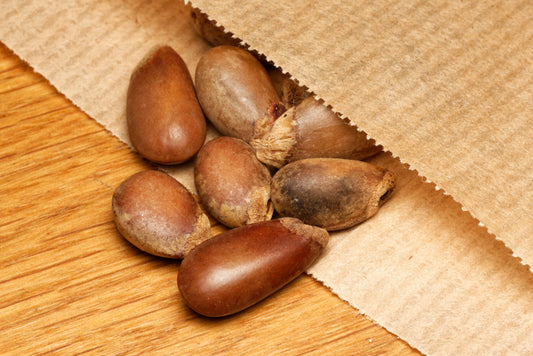
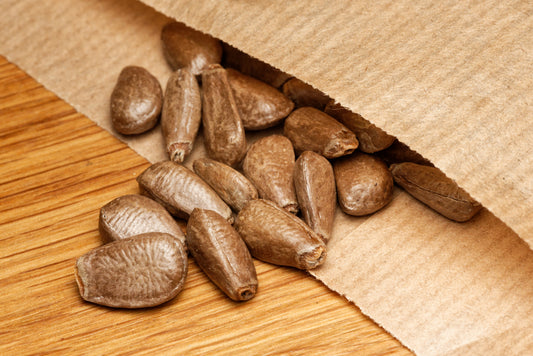
Annona is exciting to grow from seed, because the relatively large seeds can develop into small exotic trees in a relatively short time under the right conditions.
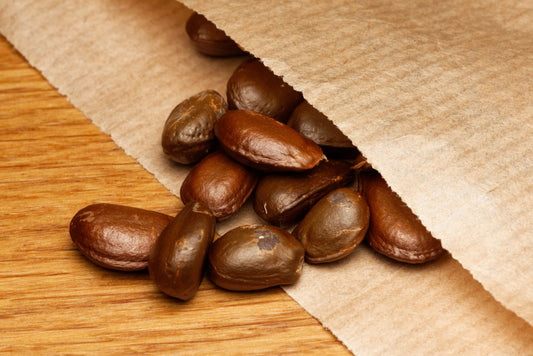
The seeds have a hard seed coat, and before sowing, it can be advantageous to soak them in lukewarm water. This helps the seeds absorb moisture before sowing. Lightly sanding the seed initially can also be an advantage.
After this, sow the seeds in an airy and well-drained sowing medium. The soil should be kept evenly moist during germination, but must not be constantly waterlogged.
Heat is important for most Annona species. A warm location can therefore be a great advantage during germination.
When the seedlings emerge, they must have plenty of light so they can develop healthy and compact growth. -
How long do Annona seeds take to germinate?
Germination time varies between species, seed batches, and growing conditions.
Under good conditions, some Annona seeds may begin to germinate after a few weeks, while others may take significantly longer. It is therefore a good idea to leave the sowing as it is, even if all seeds do not germinate at the same time.
Temperature is of great importance. If the seeds are kept too cool, germination can slow down or stall completely.
At the same time, the sowing medium should not be too wet. The combination of heat and constantly waterlogged soil can create poor conditions around the seed. -
From seed to exotic fruit tree
Part of what is fascinating about Annona is being able to follow the development from a relatively anonymous seed to a small tree.
When the seed germinates, a young plant with a relatively slender stem and simple leaves develops first. Gradually, the plant begins to branch out and takes on more of the character of a small tree or bush.
Under good conditions, Annona can grow quite well throughout the summer months. The plants generally love heat, plenty of light, and regular supplies of water and nutrients during the growing season.
In Denmark, growth will typically slow down significantly during the winter months when the days become shorter.
Buy sugar apple seeds and Annona seeds online
At a Piece of Nature, you will find a large selection of Annona seeds, so you can grow your own exotic fruit plants right from the start.
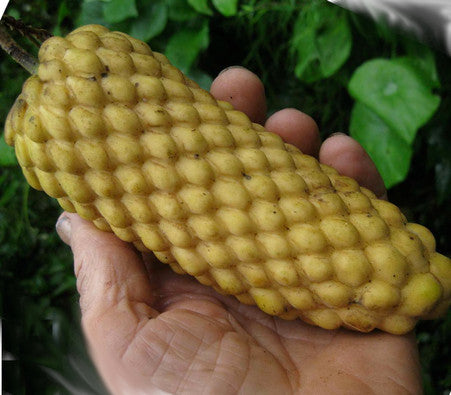
The selection includes, among others, seeds for sugar apple (Annona squamosa), cherimoya (Annona cherimola), and the very rare Araticum (Annona crassiflora), as well as other exciting species and varieties.
We have a special fondness for exotic plants that are a little different from those you normally find in Danish plant shops. That is why we are continuously expanding our selection as we find new and interesting Annona species and varieties.
Whether your goal is a decorative exotic houseplant, a small tropical fruit tree for the greenhouse, or the dream of one day harvesting your own exotic fruit, it all begins with a seed.
Frequently asked questions about sugar-apple and Annona
What is a sugar apple?
Sugar apple is the fruit from Annona squamosa. The fruit has a characteristic segmented surface and a light, sweet, and soft flesh. The plant originates from tropical regions and is today cultivated in many places with a warm climate.
Are sugar apple and cherimoya the same thing?
No. Sugar apple and cherimoya both belong to the Annona genus, but they are different species. Sugar apple is Annona squamosa, while cherimoya is Annona cherimola. The plants and fruits resemble each other in several ways, but differ in aspects such as appearance and climatic preferences.
How do you sow Annona seeds?
Annona seeds can advantageously be lightly sanded and soaked in lukewarm water before sowing, and then sown in a light and well-drained growing medium. Keep the medium consistently moist without making it soaking wet, and place the sowing in a warm spot. Once the seeds germinate, the young plants should receive plenty of light.
How long does it take for sugar apple seeds to germinate?
Germination time can vary significantly depending on species, temperature, seed freshness, and other growing conditions. Under good conditions, some seeds may germinate after a few weeks, while others can take longer and even many months. It is therefore a good idea not to give up on the sowing too soon.
Can you grow sugar apple in Denmark?
Yes, Annona squamosa can be grown as an exotic houseplant in Denmark. It requires plenty of light and warmth and must be overwintered in a frost-free location. A warm greenhouse or a bright conservatory can provide the plant with particularly favorable growing conditions.
Can Annona stay outside during the summer?
Yes, many Annona plants can be kept outdoors in a warm and sheltered location during the summer months. They should only be moved outside when temperatures are appropriate, and plants from indoor conditions should be gradually acclimated to direct sunlight. The plants must be moved back inside before the temperature becomes too low.
Which soil is best suited for Annona?
Annona thrives best in nutrient-rich, airy, and well-drained soil. The soil should be able to hold sufficient moisture for the growing plant, but excess water must also be able to drain away so that the roots do not remain constantly wet.
We recommend our Ficus soil, which provides a good combination of moisture, air around the roots, and drainage, and is therefore suitable for sugar apple, cherimoya, and other Annona species.
What fertilizer does Annona need?
Annona benefits from regular applications of nutrients during the growing season, especially when the plant is kept in a warm, bright spot and is producing new leaves and shoots.
During the spring and summer months, the plant can therefore be fertilized regularly according to the dosage on the chosen fertilizer. When growth slows down in the winter months, the amount of fertilizer should be reduced accordingly.
For sugar apple, cherimoya, and other Annona species, we recommend our tropical fertilizer, which is developed for exotic and tropical plants.
Can you get fruit from Annona in Denmark?
It is possible, but it requires good growing conditions and a plant that is old and large enough to flower. Plenty of light, warmth, and nutrients are important, and hand-pollination can be helpful for fruit set in some species. A warm greenhouse or a bright conservatory typically offers better opportunities than standard indoor cultivation.
How fast does a sugar apple tree grow?
The growth rate depends on factors such as species, temperature, light, pot size, water, and nutrients. Under warm and bright conditions, young Annona plants can grow quite well during the growing season, while growth typically becomes significantly slower throughout the Danish winter.