
Collection: Aroid seeds (Amorphophallus etc.)
Aroids are one of the most fascinating plant groups for those who love exotic plants. The group includes both well-known houseplants with large, decorative leaves and more unusual species with distinctive flowers, tubers, and growth forms.
At a Piece of Nature, you will find a changing selection of aroid seeds from both well-known and rarer species. The assortment may include seeds from Monstera, Philodendron, Amorphophallus, and Arisaema – plants that each show how incredibly varied the aroid family is.
Growing aroids from seeds allows you to follow the plants right from the beginning and is also an exciting way to add species to your collection that can be difficult to find as finished plants.
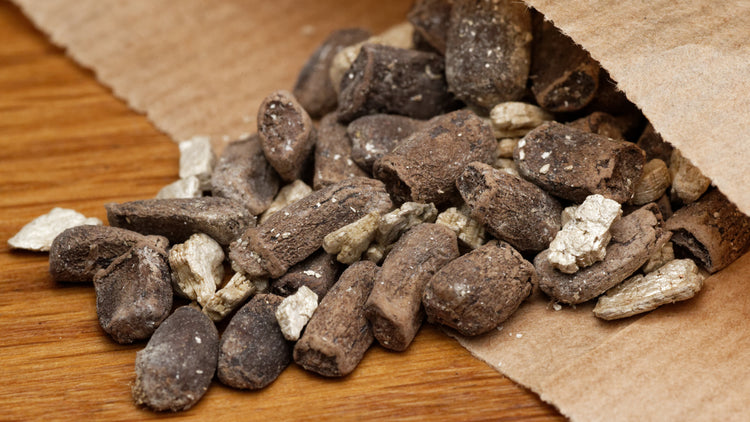
Buy 4 packs of seeds (or more) and get 10% off
-
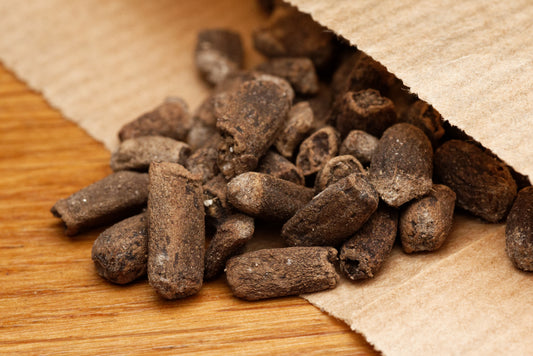
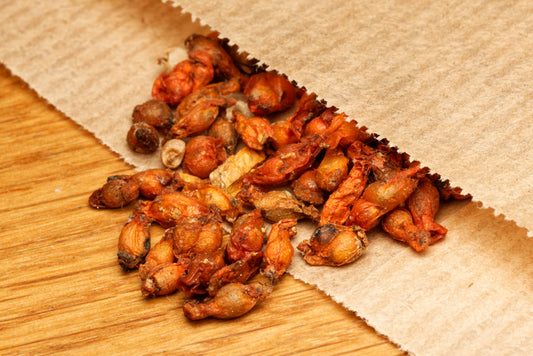
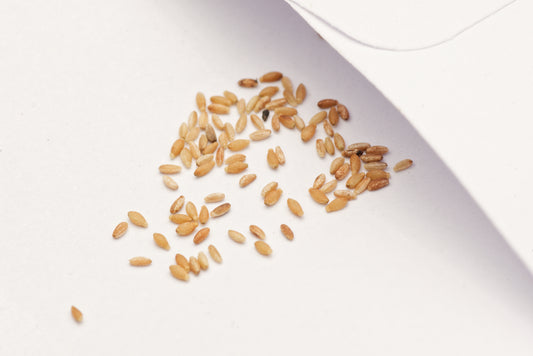
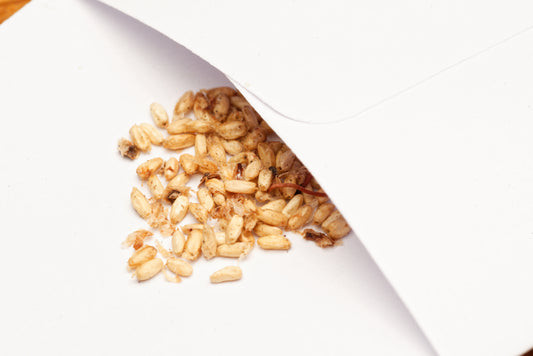
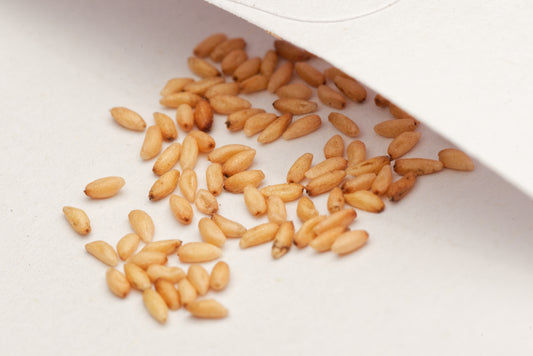
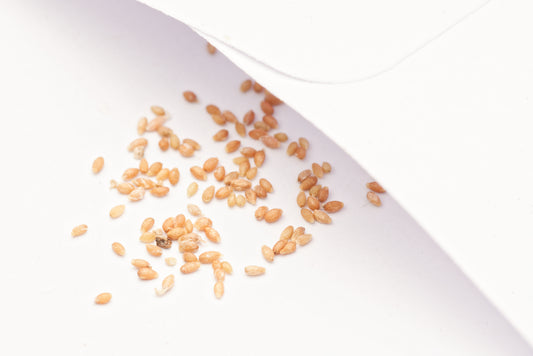
Penis plant (Amorphophallus kachinensis) | seeds, 6 pcs.
Regular price €5,95 EURRegular price -
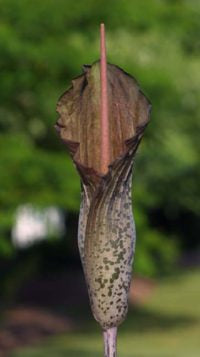
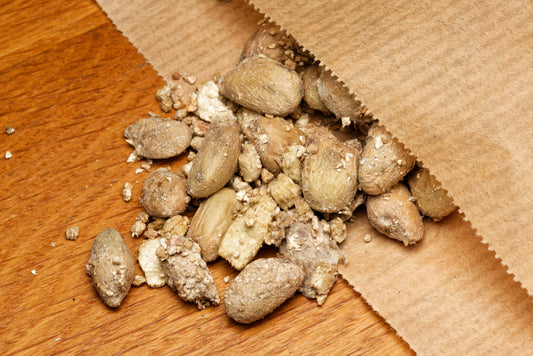
Elephant foot yams (Amorphophallus paeoniifolius) | seeds, 10 pcs.
Regular price €5,95 EURRegular price -
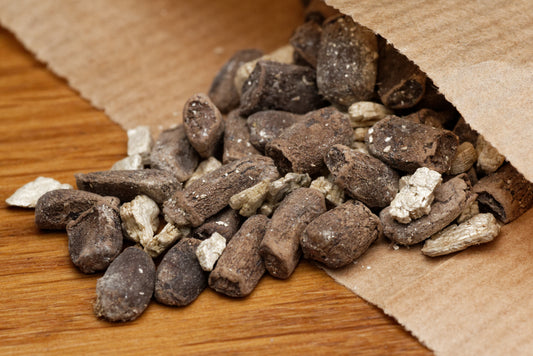
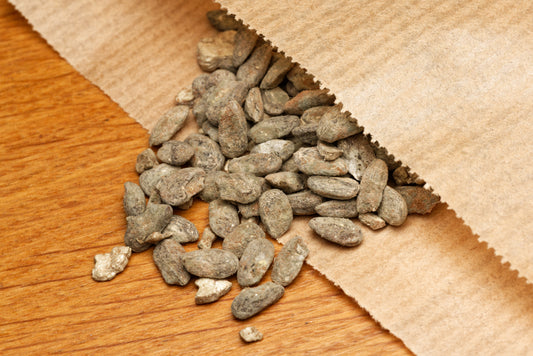
Penis plant (Amorphophallus tenuistylis) | seeds, 6 pcs.
Regular price €5,95 EURRegular price -
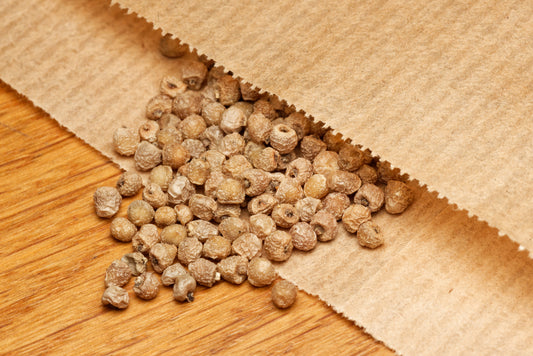
Cobra lily (Arisaema ciliatum) | seeds, 10 pcs.
Regular price €8,95 EURRegular price -
Red Cobra Lily (Arisaema consanguineum) | seeds, 10 pcs.
Regular price €9,95 EURRegular price -
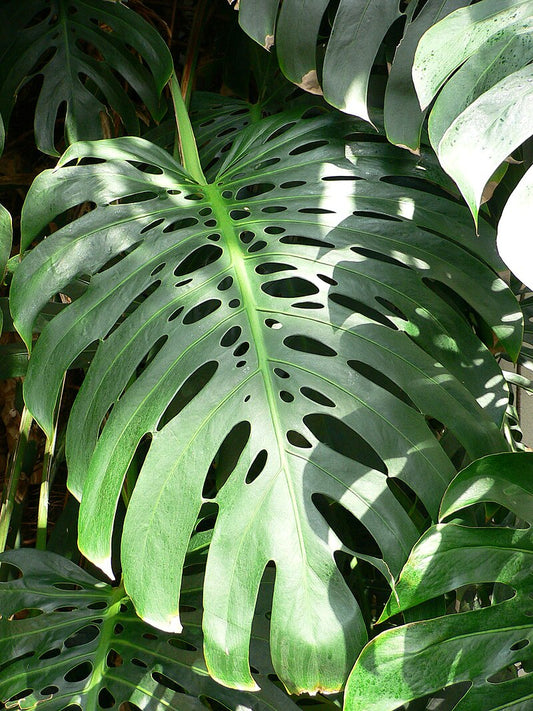
Swiss cheese plant (Monstera deliciosa) | seeds, 10 pcs.
Regular price €7,95 EURRegular price -
Monstera (Monstera dubia) | seeds, 10 pcs.
Regular price €7,95 EURRegular price -
Lobed Philodendron (Philodendron angustilobum) | seeds, 10 pcs.
Regular price €6,95 EURRegular price -
Tree philodendron (Philodendron bipinnatifidum) | seeds, 10 pcs.
Regular price €6,95 EURRegular price -
Philodendron (Philodendron brenesii) | seeds, 10 pcs.
Regular price €6,95 EURRegular price -
Velvet-leaf Philodendron (Philodendron hebetatum) | seeds, 10 pcs.
Regular price €6,95 EURRegular price -
Philodendron (Philodendron ichthyoderma) | seeds, 20 pcs.
Regular price €7,95 EURRegular price







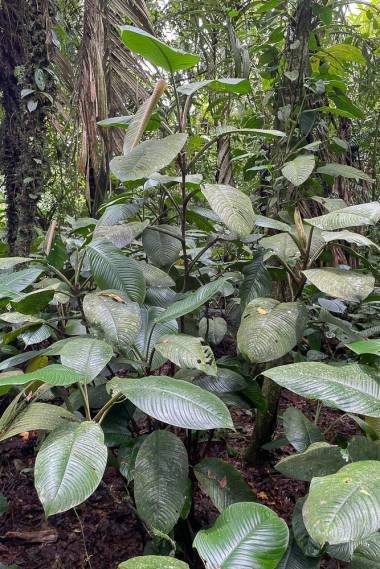


What is an Aroid?
Aroids are plants in the arum family, Araceae, which comprises several thousand species from many different parts of the world. Many grow in tropical and subtropical regions, but the family also includes species from temperate zones.
Among the most well-known aroids are genera such as Amorphophallus, Monstera, Philodendron, Anthurium, and Alocasia. However, the family is far more varied than just the classic green houseplants.
It includes, among others:
- Climbing and creeping tropical plants
- Large-leaved plants with spectacular leaf shapes
- Tuber-forming species such as Amorphophallus
- More cold-tolerant species such as several Arisaema
- Rare collector's plants with very characteristic inflorescences
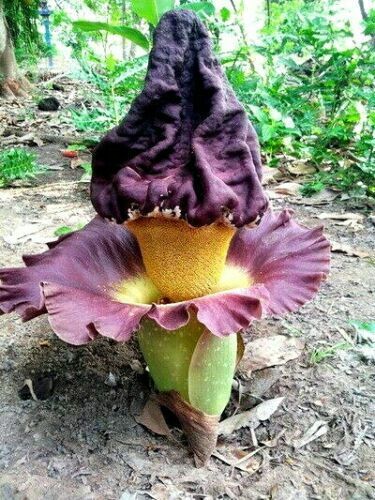
A common feature of the family is the distinctive inflorescence with a spike, the spadix, which is typically surrounded by a bract, the spathe. Its appearance, however, varies enormously from species to species.
Grow aroids from seed
There is something special about growing an aroid all the way from seed. Many of the species you usually encounter as houseplants are propagated vegetatively on a commercial scale, which is why you don't necessarily see their seeds very often.
By sowing aroid seeds, you get the opportunity to follow the entire development from the first root and the first little leaf to an established plant with the species' characteristic growth habit.
At the same time, seeds can be an interesting path to more unusual species that are rarely offered as finished plants.
The germination method varies between the different genera and species. Tropical aroids often require warmth and consistent moisture, while, for example, some Arisaema species may have completely different requirements and, in some cases, need periods of cooler temperatures.
It is therefore always important to take the specific species as your starting point.
-
Monstera seeds
Monstera are among the most popular aroids and are particularly known for their large green leaves, which in several species develop characteristic holes or deep splits.
Growing Monstera from seed is a completely different experience than buying an established plant. The first leaves are often relatively simple, and only as the plant grows larger does it begin to develop the appearance associated with mature Monstera plants.
The seeds typically prefer warmth, high humidity, and an airy sowing medium. Once the plants have sprouted, good light is important for healthy and compact growth. -
Philodendron seeds
Philodendron is an enormously varied genus with both climbing and more compactly growing species. The leaves can be heart-shaped, elongated, lobed, or otherwise highly distinctive.
Many Philodendron are grown as tropical houseplants, but it is also possible to start entirely from seed.
The small seedlings can initially look quite different from the mature plant. This makes it particularly interesting to follow their development and see how the species' characteristic leaves gradually emerge. -
Amorphophallus seeds
Amorphophallus are among the most unusual members of the aroid family. The genus consists of tuberous plants that can develop impressive leaves and some of the most spectacular inflorescences in the plant kingdom.
Some species grow very large, while others are considerably more manageable as houseplants. The plants have a distinct growth cycle, where the tuber can go dormant and later send up a new leaf or an inflorescence. This makes Amorphophallus a different kind of plant to grow than most common houseplants.
Starting with Amorphophallus seeds provides an opportunity to experience the development all the way from the first small plant to the formation of an ever-larger tuber. -
Arisaema seeds
Arisaema is another exciting genus within the Araceae family. The plants are particularly known for their distinctive inflorescences and are found naturally in, among other places, Asia and North America.
Unlike many tropical aroids, there are Arisaema species that come from temperate regions and can have a natural winter dormancy. Under the right conditions, some species can even be grown outdoors in Denmark.
Arisaema seeds may have different germination requirements than tropical aroid seeds, and some species require patience and fluctuating temperature conditions. On the other hand, it is an incredibly exciting plant genus for anyone who would like to try something beyond the classic tropical houseplants.

How to sow aroid seeds
There is no single sowing method that fits all aroids. The family is simply too large and varied.
For many tropical species, a good starting point is:
- Use a clean, airy, and well-draining sowing medium
- Maintain consistent moisture without soaking the medium
- Ensure a high temperature if the species is tropical
- Provide the seedlings with good light once they emerge
- Avoid compact and constantly wet soil around the young roots
The freshness of the seeds can be of great importance. For many tropical aroids, the seeds do not tolerate long periods of drying out or storage as well as many traditional garden seeds. Therefore, sow the seeds immediately upon receipt.
Other aroids – including species from temperate regions – may have completely different requirements for germination. Always follow the cultivation guide for the specific species.

Aroids as collector plants
Aroids have received a lot of attention among plant collectors in recent years, and it is not hard to understand why.
Within a single plant family, you find an incredible variety in leaves, sizes, growth forms, and inflorescences. Some species are grown for their enormous and decorative leaves, others for their unusual flowers, and for example with Amorphophallus, the growth cycle itself is a big part of the fascination.
Growing from seed adds yet another dimension. Instead of starting with an almost finished plant, you can follow its entire development and see the characteristic traits emerge little by little.
Buy aroid seeds online
At a Piece of Nature, you will find a selection of aroid seeds with a focus on exciting, exotic, and preferably somewhat unusual species.
The selection varies continuously depending on which seeds we can obtain and may include Monstera, Philodendron, Amorphophallus, Arisaema, and other members of the Araceae family.
Some species are well-known houseplants, while others belong among the plants that you rarely encounter in standard garden centers.
Whether you are already a collector of aroids or would like to try growing your first one from seed, it is a plant family with almost endless opportunities for discovery.
Frequently asked questions about aroid seeds
What are aroid seeds?
Aroid seeds are seeds from plants in the arum family, Araceae. The family includes, among others, Monstera, Philodendron, Anthurium, Alocasia, Amorphophallus, and Arisaema, as well as many other genera.
Can you grow aroid plants from seeds?
Yes. Many aroids can be grown from seed, but germination requirements vary greatly between species. Tropical species often require warmth and consistent moisture, while species from temperate regions may have different temperature requirements.
How long does it take for aroid seeds to germinate?
It depends entirely on the species, the freshness of the seeds, and the conditions during germination. Some aroid seeds can germinate relatively quickly under the right conditions, while others can take significantly longer.
How do you sow Monstera and Philodendron seeds?
Seeds from tropical Monstera and Philodendron are typically sown in an airy, moist sowing medium and placed in a warm location. The medium should be kept consistently moist, but not waterlogged. Once the seeds germinate, the plants require good light.
Must aroid seeds be fresh?
For many tropical aroids, freshness is important. Seeds from certain species quickly lose their viability if they dry out or are stored for too long. However, this varies between genera and species. But generally, it is a good idea to sow the seeds as soon as you receive them.
Can Arisaema be grown outdoors in Denmark?
Some Arisaema species originate from temperate regions and may be sufficiently cold-tolerant for outdoor cultivation in Denmark under the right conditions. We have several Arisaema species that can be grown outdoors in Denmark. However, hardiness varies significantly between species, so the requirements of each individual species should always be investigated.
Which soil is best suited for Aroids?
Most tropical aroids thrive best in an airy and well-draining soil that can both retain some moisture and provide the roots with access to oxygen. Compact potting soil can retain too much water and increase the risk of root problems.
A good aroid soil therefore typically consists of a mix of organic and coarse materials that create a loose structure around the roots. We recommend our Aroid soil, which is composed specifically for plants like Monstera, Philodendron, Anthurium, Alocasia, and other tropical aroids.
What fertilizer should aroids have?
Aroids benefit from regular fertilization, especially during the growing season when the plants are developing new leaves and roots. A suitable fertilizer for aroids should provide both the essential macronutrients and micronutrients that the plant needs for healthy growth.
How often to fertilize depends on factors such as the species, time of year, light conditions, and the fertilizer chosen. Therefore, always follow the dosage on the product, and typically reduce fertilization during the winter period, when many aroids grow more slowly.
For Monstera, Philodendron, Anthurium, Alocasia, and other tropical aroids, we recommend our organic tropical fertilizer, which is excellent for this plant group.