Buy 4 packs of seeds (or more) and get a 10% discount


a Piece of Nature
Century Plant (Agave americana) | seeds, 10 pcs.
Century Plant (Agave americana) | seeds, 10 pcs.
Couldn't load pickup availability
- Latin name: Agave americana
- Danish names: Amerikansk agave, agave, århundrede plante
- English names: American agave, century plant
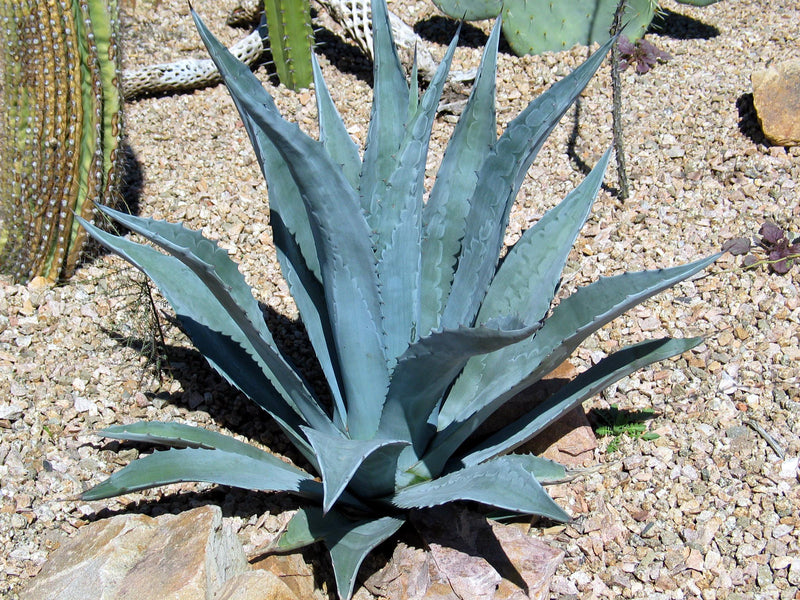
Agave americana is one of the most iconic and well-known agaves – an impressive succulent native to Mexico and the southern United States. It is loved worldwide for its large, steel-blue to grey-green leaves, which form a dramatic rosette and give any environment a sculptural, almost architectural touch.
The plant can reach a height and width of 1.5–2 meters, and its sturdy leaves have distinct thorns along the edges and a prominent tip. Under ideal conditions, it can live for decades. Only after many years – often 20–30 – does Agave americana bloom with a massive flower stalk up to 8 meters tall. After flowering, the mother plant dies, but it usually leaves behind several offsets that ensure its continued presence.
Cultivation and requirements:
Agave americana is an extremely hardy plant that requires full sun and well-drained, preferably sandy or stony soil. It is drought-tolerant and should be watered sparingly – especially in the winter months, when it should be kept almost dry.
In Denmark, it is best suited for large pots that can be placed outdoors in the summer and moved indoors or overwintered in a cool, frost-free location during the winter. It can tolerate brief temperatures down to approx. -5 °C if kept completely dry.
Growing from seeds:
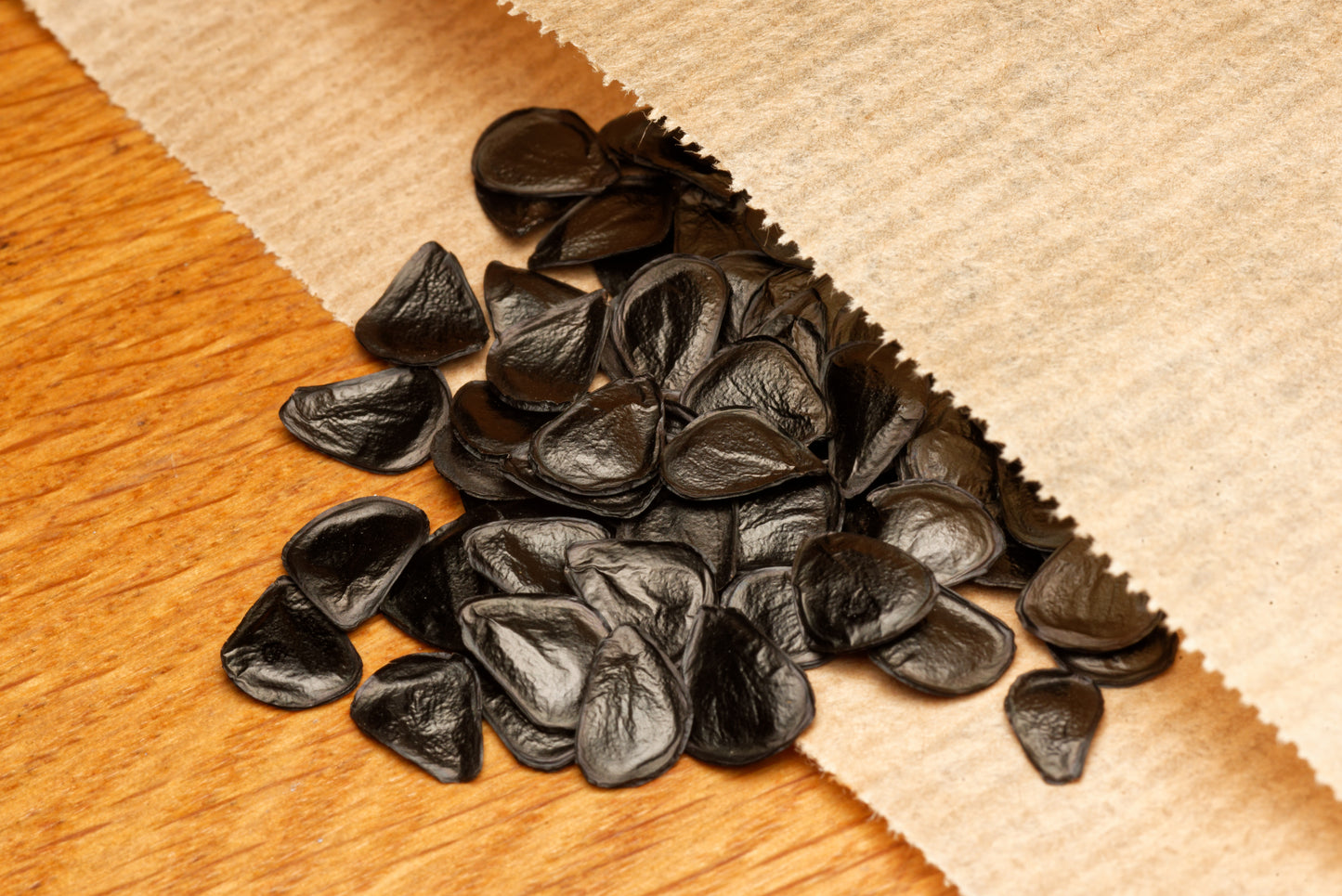
The seeds are sown in an airy and well-drained soil mix (e.g., sand, perlite, and a little seed compost). It is also advantageous to use a good special mix for cactus and succulents. Keep the soil slightly moist and the temperature stable at 20–25 °C. Germination usually occurs within 2–6 weeks. The seedlings grow slowly at first, but soon develop the characteristic, sturdy leaves.
Utility:
Agave americana has been used for centuries as a useful plant in Mesoamerica. The fibers from the leaves have been used for rope, textiles, and mats, and the plant sap has played a role in both food and fermented drinks. Today, however, it is primarily grown as an ornamental plant, where it is considered one of the most dramatic and classic succulents.
A timeless desert classic – perfect for those who want a strong, sculptural, and almost majestic plant in their collection.
Seed germination
Seed germination
Childcare
Childcare
Size
Size
Up to 2 meters high
Difficulty level
Difficulty level
Easy
NB
NB
The leaves can be pointed at the ends.