Buy 4 packs of seeds (or more) and get a 10% discount


a Piece of Nature
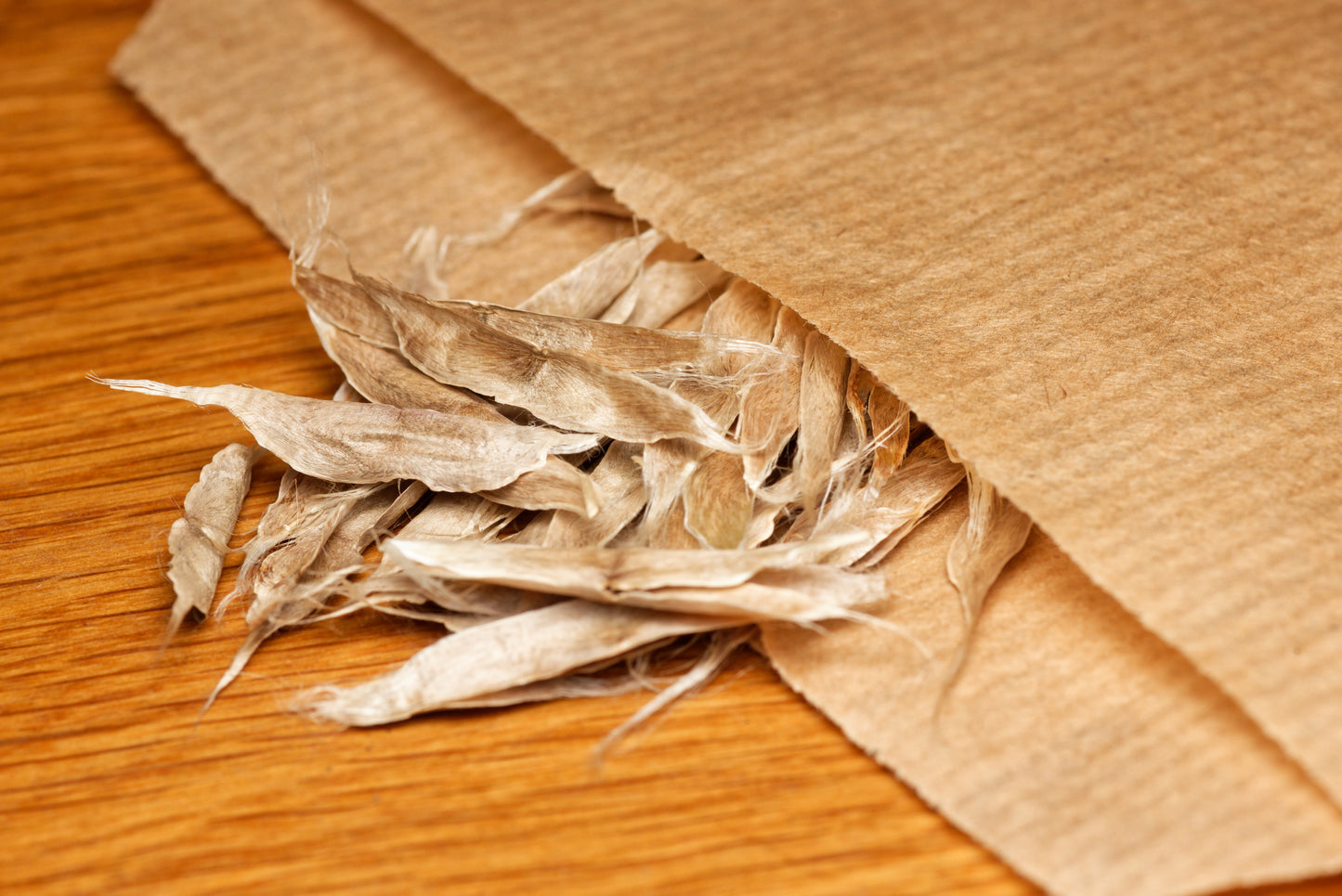
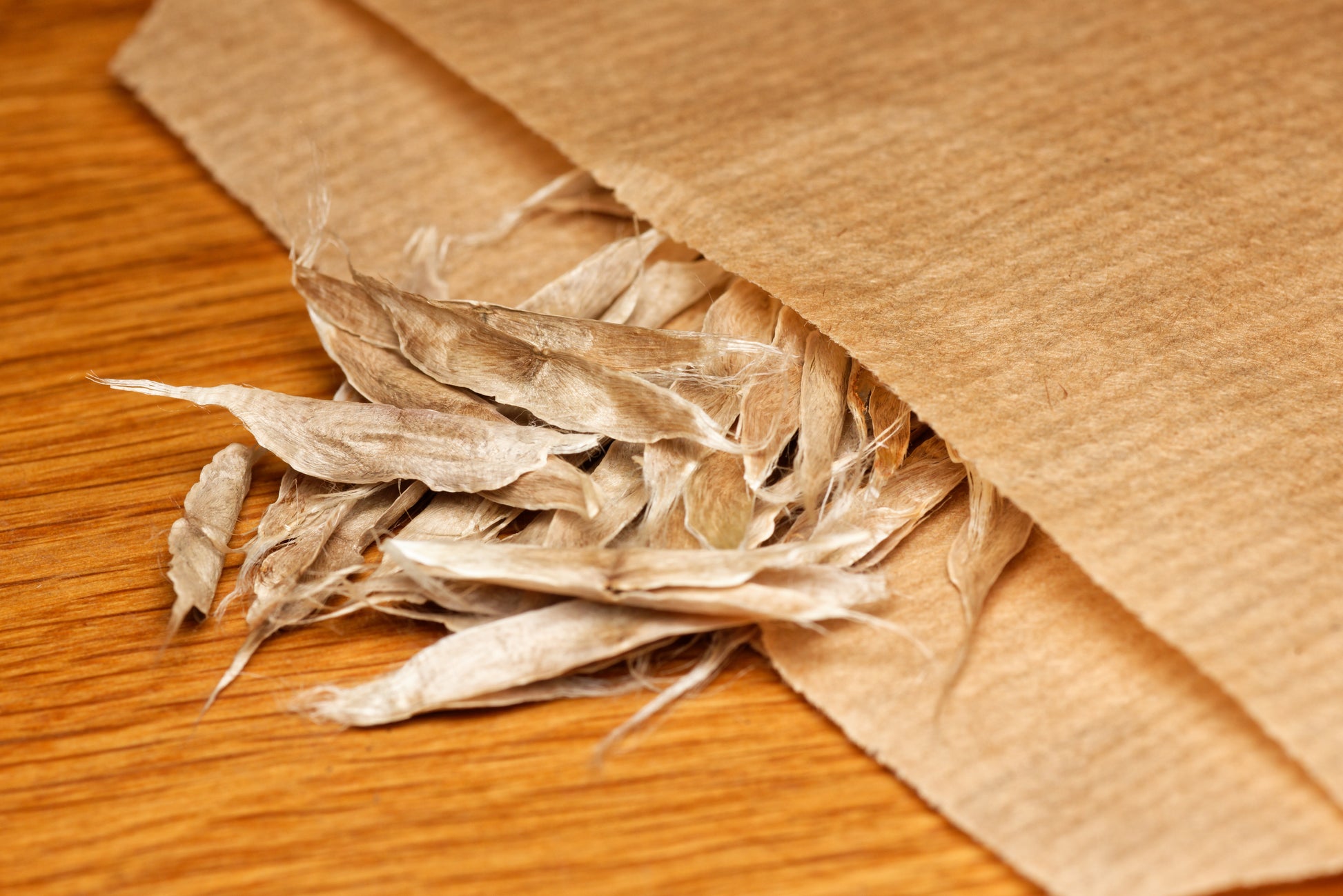
Southern catalpa (Catalpa bignonioides) | seeds, 10 pcs.
Southern catalpa (Catalpa bignonioides) | seeds, 10 pcs.
Couldn't load pickup availability
HARDY | BIODIVERSITY-FRIENDLY
- Latin name: Catalpa bignonioides
- Danish names: Almindelig trompetkrone, trompettræ
-
English names: Southern catalpa, cigartree, Indian-bean-tree
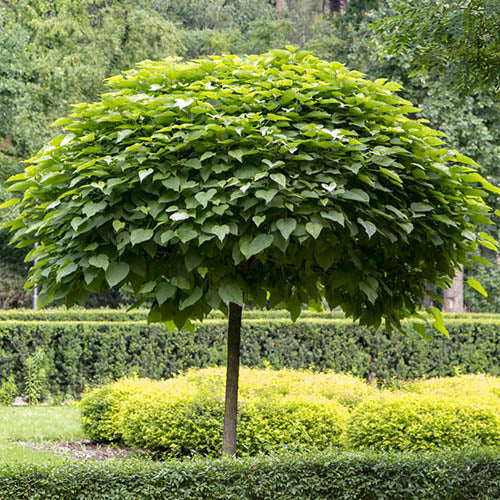
Catalpa bignonioides, also known as the southern catalpa or Indian bean tree, is a decorative and fast-growing deciduous tree native to the southeastern United States. Today, it is widely cultivated in gardens and parks across Europe for its exotic appearance, impressive flowering, and striking seed pods.
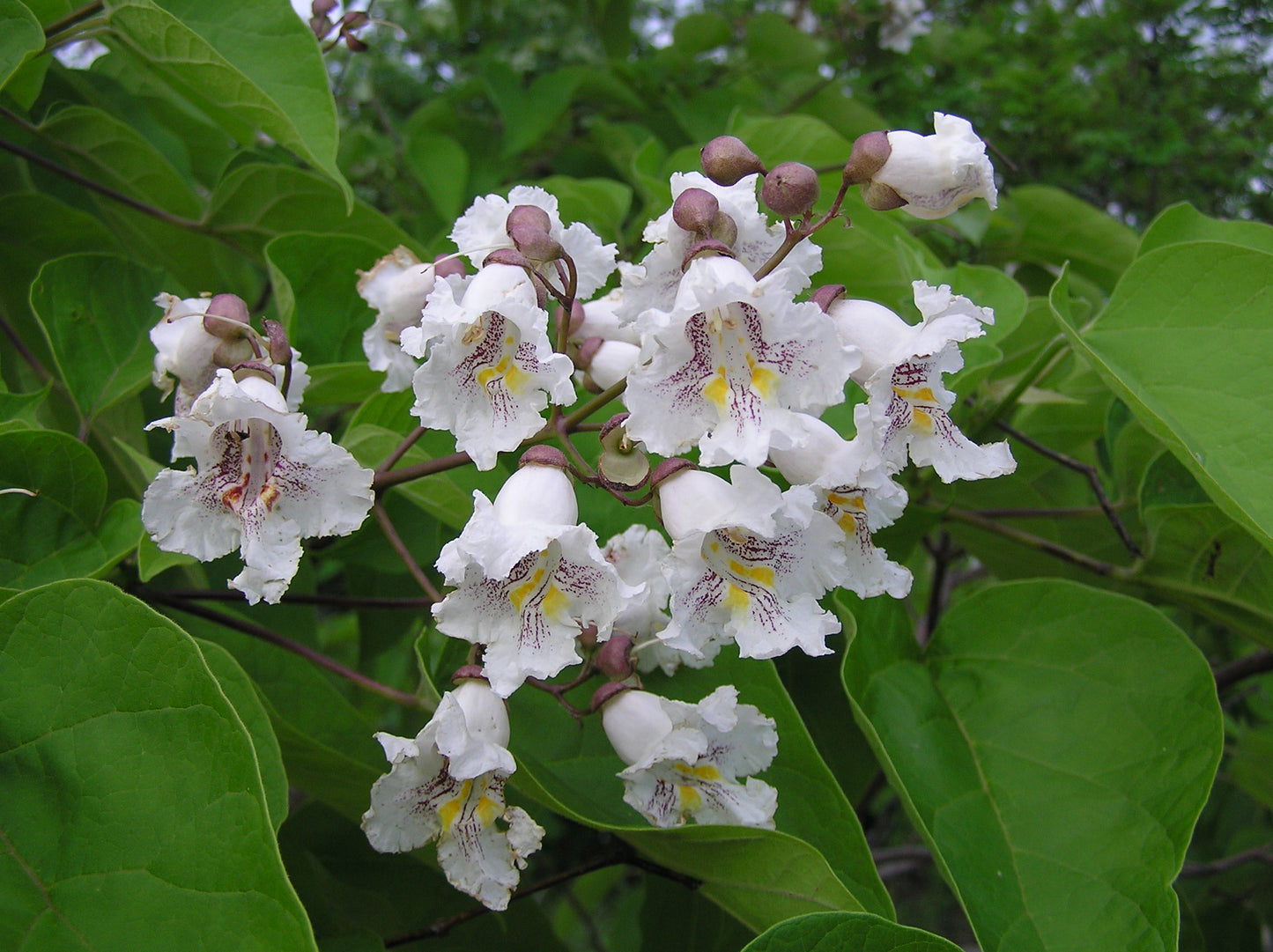
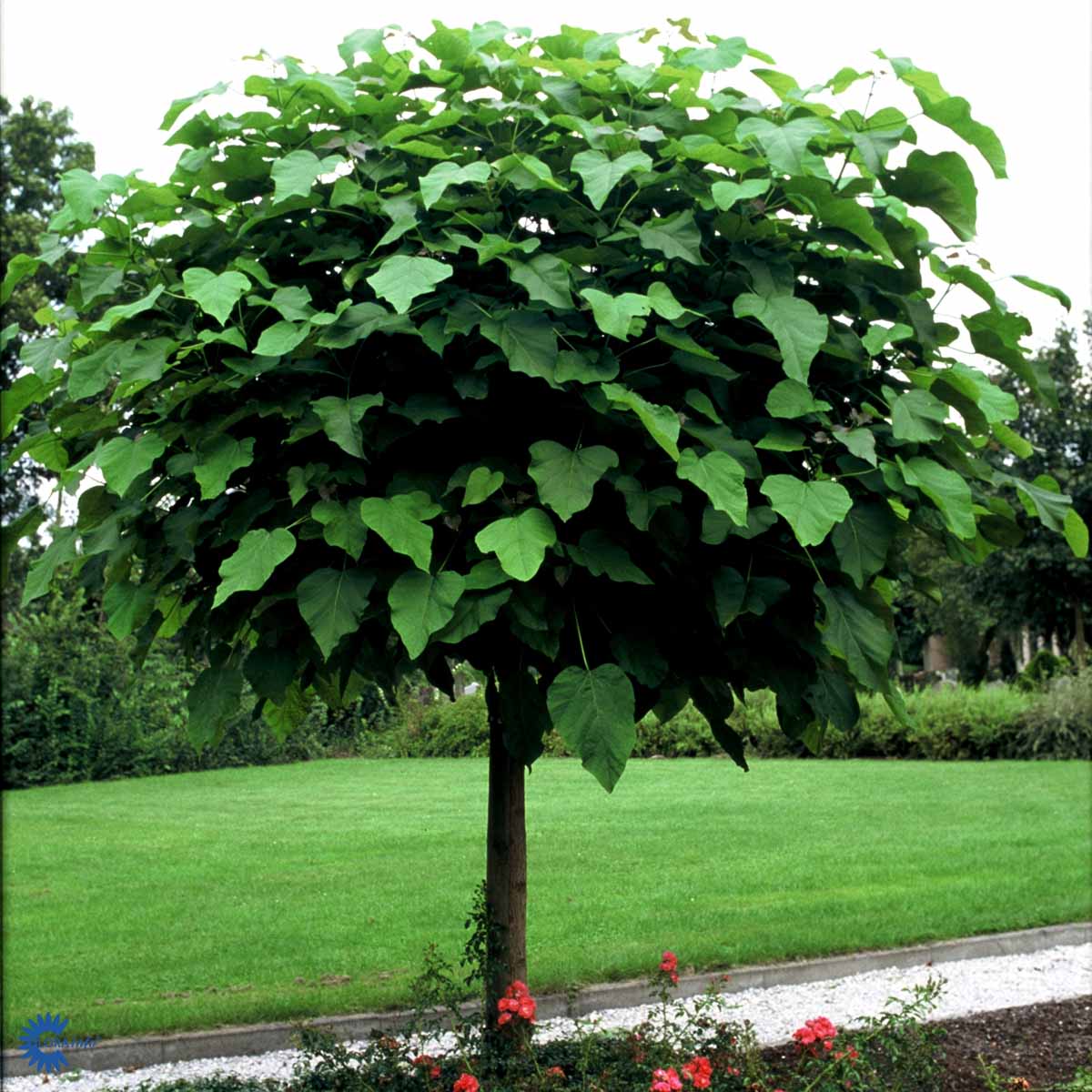
The tree has a broad, dome-shaped crown and large, heart-shaped leaves that provide a tropical feel. In June–July, the tree is covered in showy clusters of white, bell-shaped flowers with purple and yellow-spotted throats – hence the name trumpet tree. The flowers are nectar-rich and attract bees, bumblebees, and butterflies in large numbers.
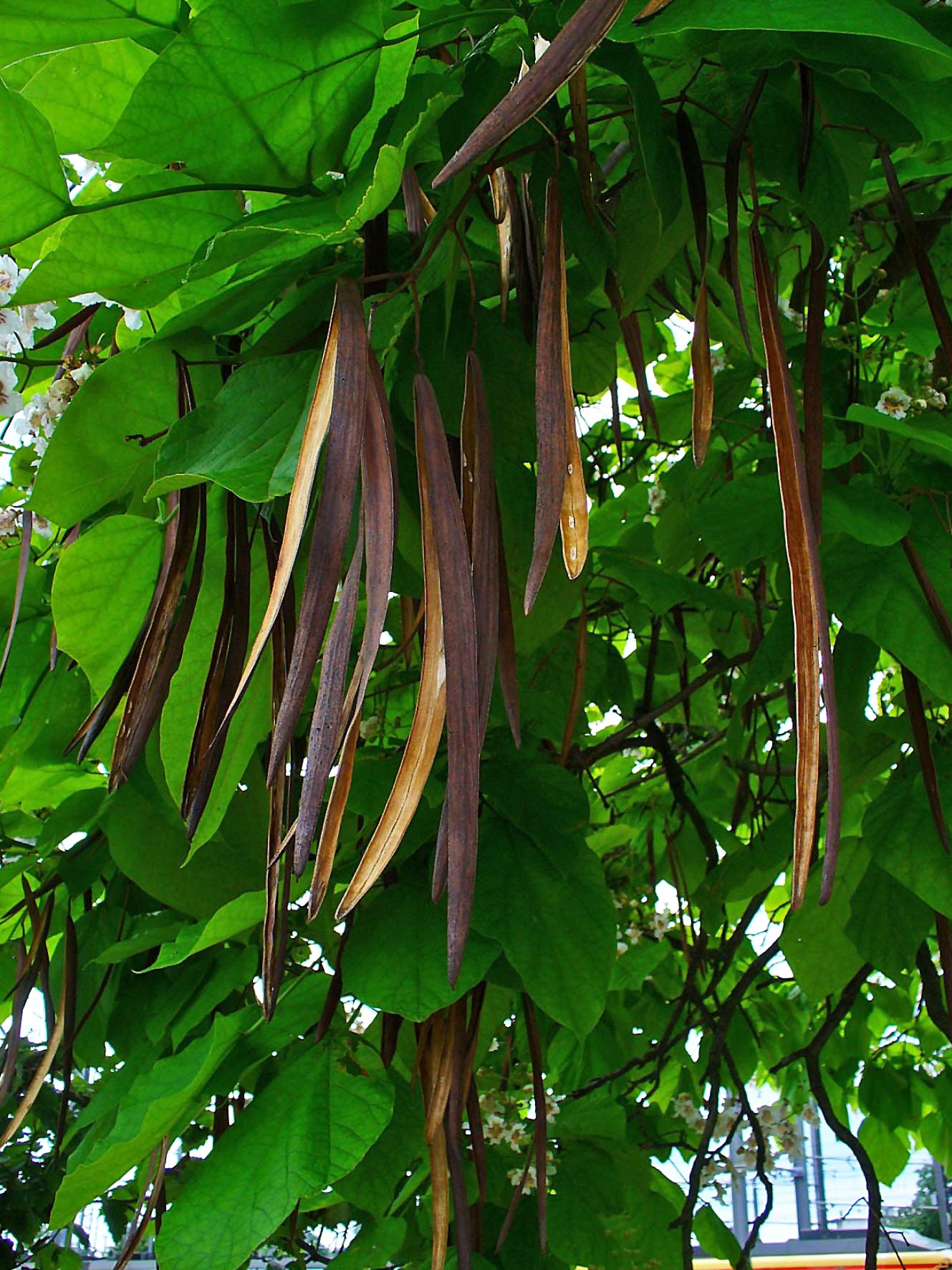
After flowering, Catalpa bignonioides develops long, narrow seed capsules that resemble green pods or "beans" and can hang on the tree throughout the winter. They contribute to the tree's decorative value and give it a distinctive look – even in the winter months.
Cultivation and requirements:
The tree thrives in full sun to partial shade and has only modest soil requirements, as long as the soil is well-drained. It is fully hardy in Denmark and tolerates frost down to about -20 °C. Catalpa bignonioides grows quickly and can reach a height of 8–12 meters, but it tolerates pruning and can be shaped as a low-stemmed ornamental tree or a large shrub.
It tolerates urban environments and wind moderately well, but should be protected from heavy salt exposure and root compaction.
Utility value:
Although the trumpet tree is primarily grown as an ornamental tree, it also has value for biodiversity: the large flowers attract pollinators, and the seed capsules provide food and shelter for insects and small birds. The tree has traditionally been used in folk medicine and for woodworking in its homeland, but today it is used primarily decoratively in gardens and landscapes.
C. bignonioides is an excellent choice for garden owners who want a fast-growing, flowering shade tree with a tropical appearance and high ornamental value – while also supporting local insect life. A classic in large gardens and parks, but also a characterful solitary tree in smaller gardens.
Seed germination
Seed germination
Childcare
Childcare
Size
Size
Up to 18 meters tall (though somewhat smaller in this country)
Difficulty level
Difficulty level
Between
NB
NB
Frost resistant