a Piece of Nature
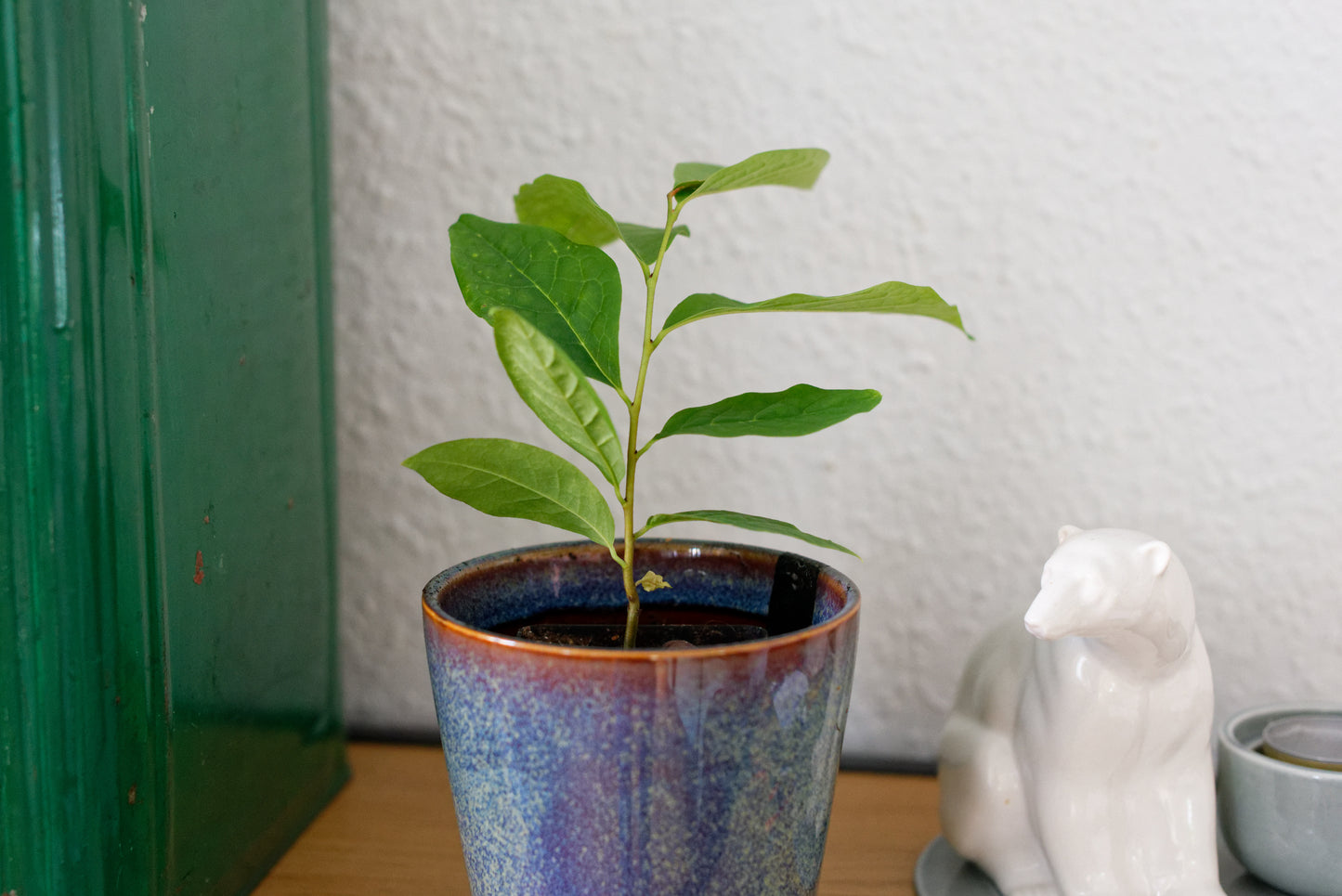
Pawpaw (Asimina triloba) | plant
Pawpaw (Asimina triloba) | plant
Couldn't load pickup availability
- Latin name: Asimina triloba
- Danish names: Paw paw, Indian banana, pawpaw
- English names: Paw paw, American papaw, pawpaw, paw-paw
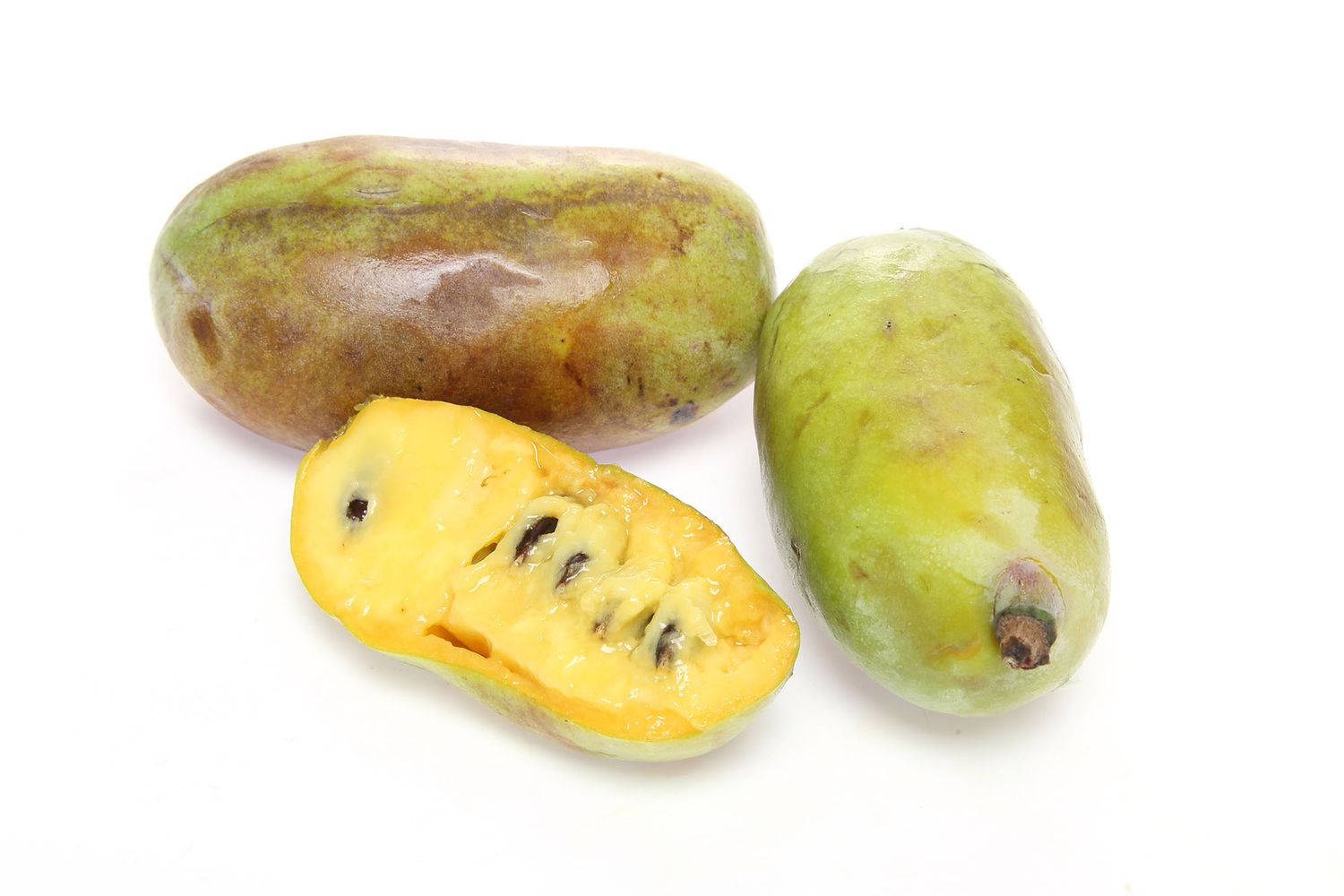
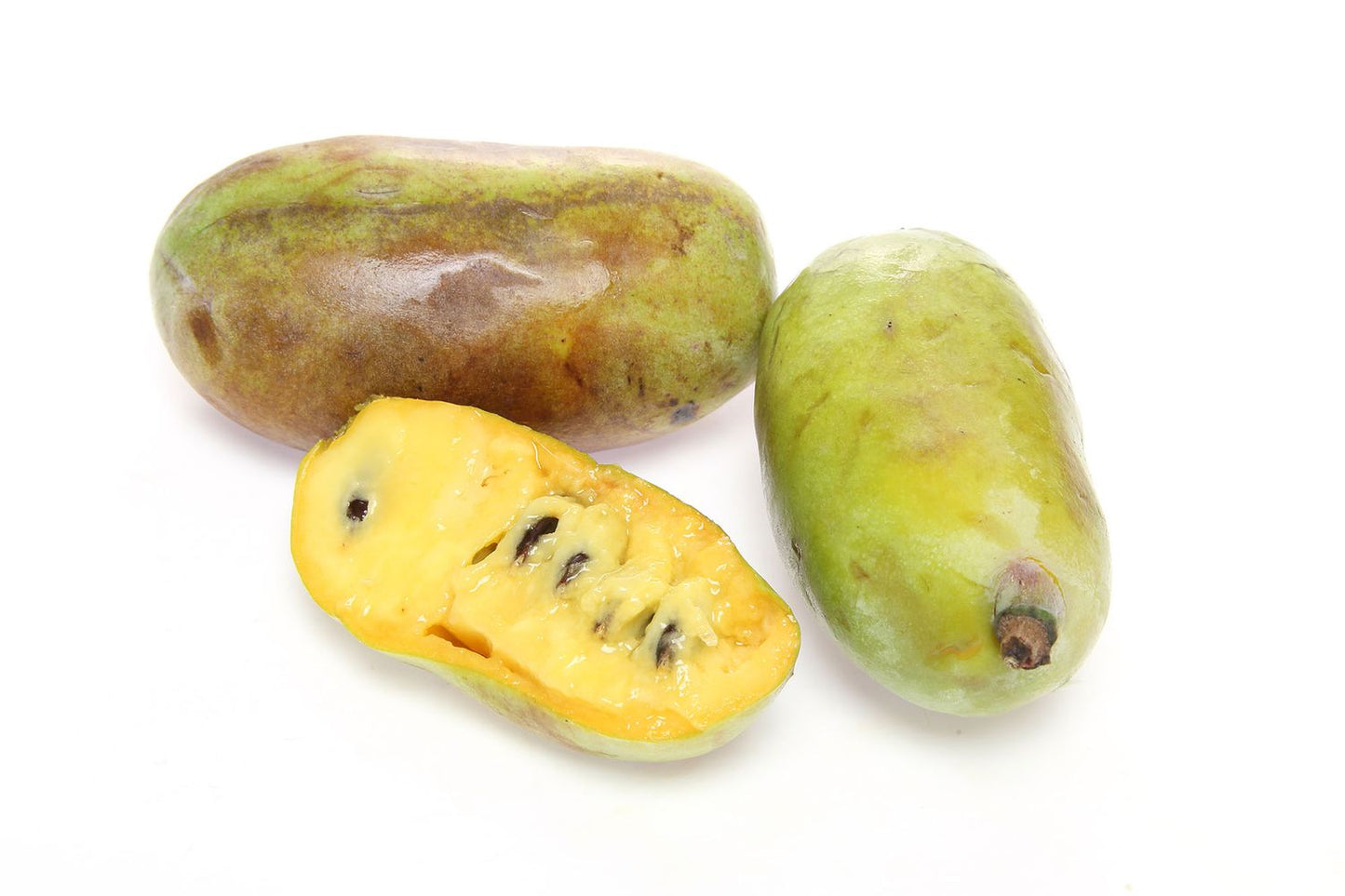
Asimina triloba, better known as pawpaw or Indian banana, is a unique and exciting fruit tree from eastern North America. It is the largest edible fruit native to North America and is known for its tropical-inspired flavor, which is often described as a blend of banana, mango, and vanilla.
Despite its exotic appearance, the pawpaw is surprisingly hardy and can be grown in Denmark, making it particularly interesting for fruit enthusiasts and collectors.
Appearance and growth
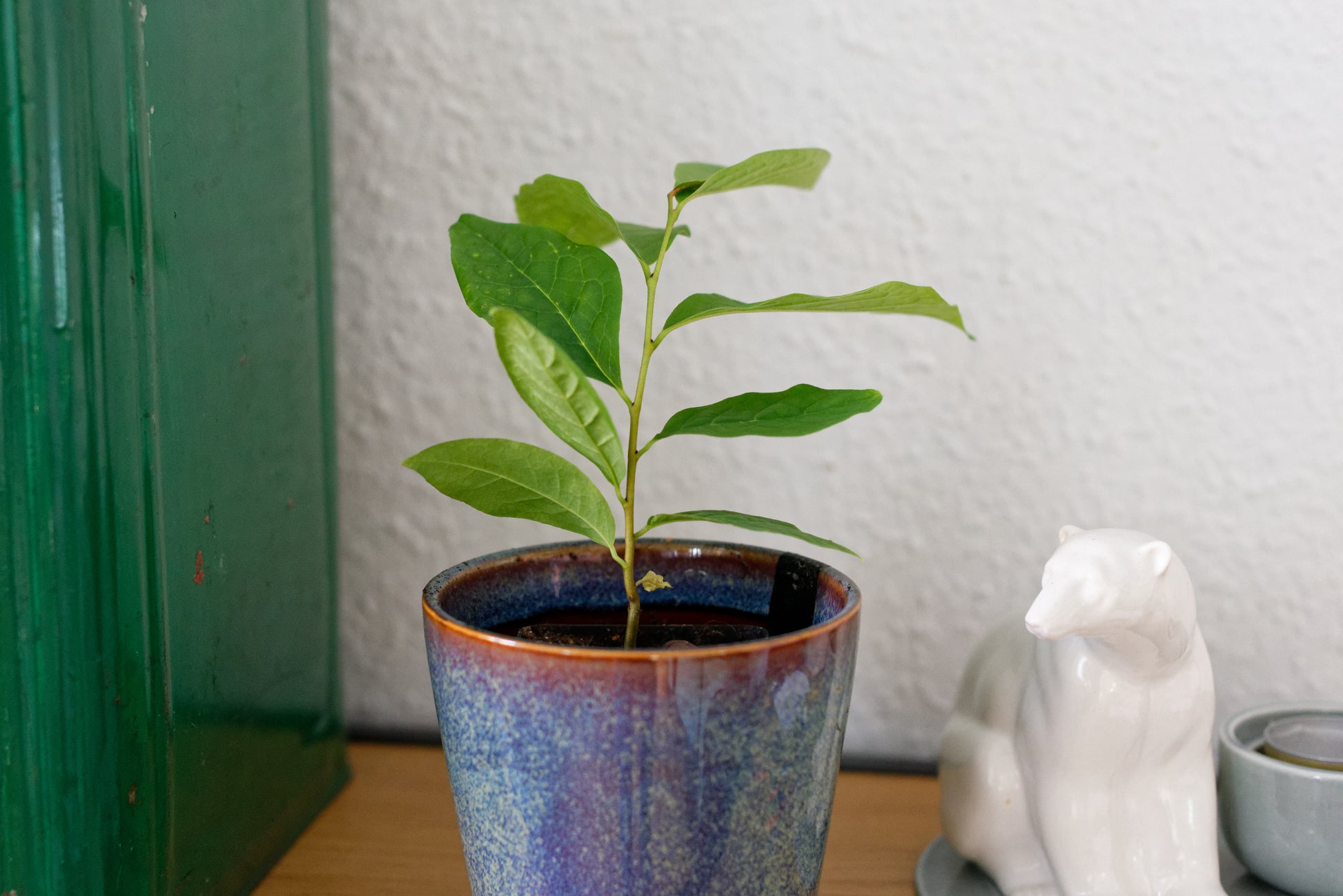
Asimina triloba is a small deciduous tree or large shrub, typically reaching 3–6 meters in height. It has large, oblong leaves, which give the plant an almost tropical look during the growing season.
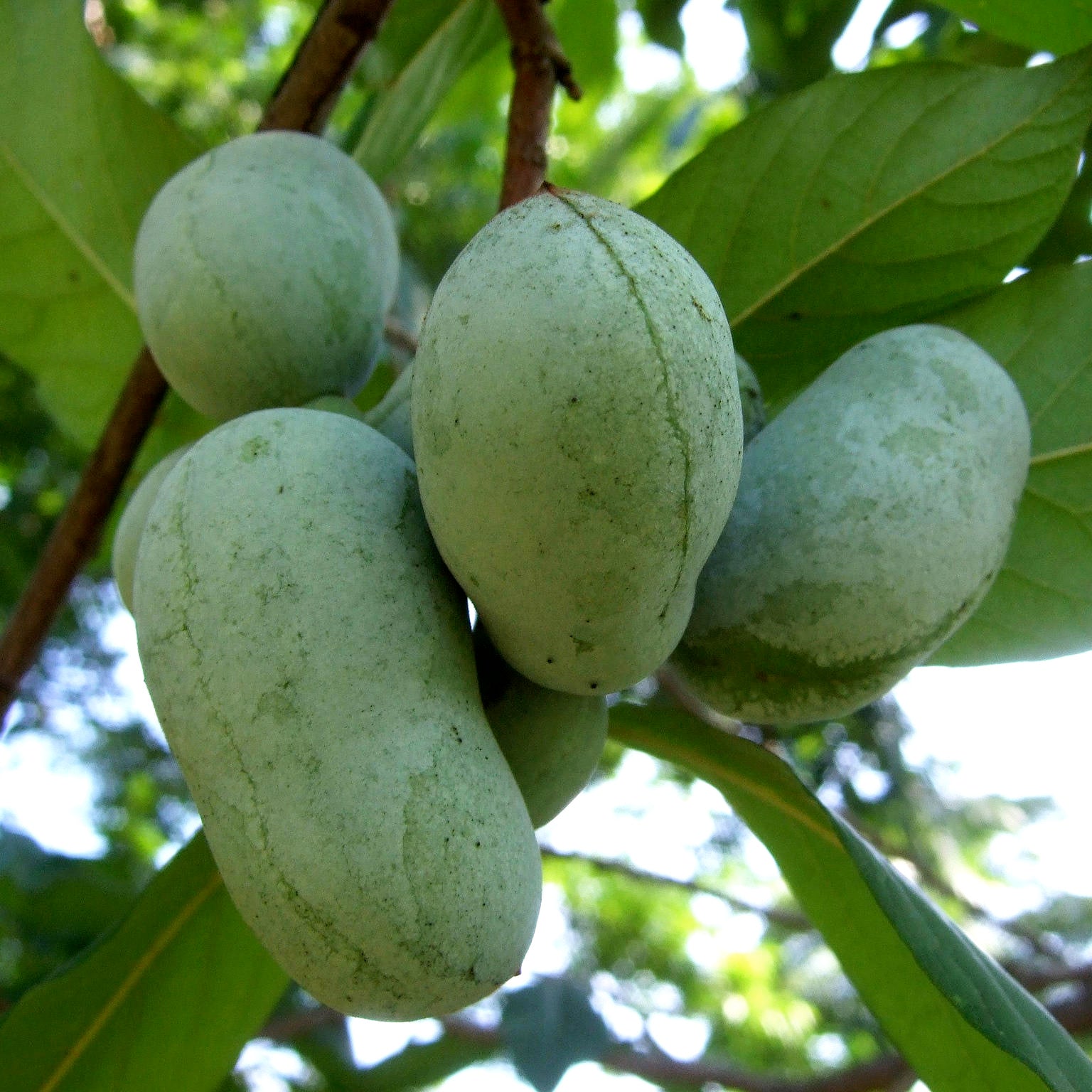
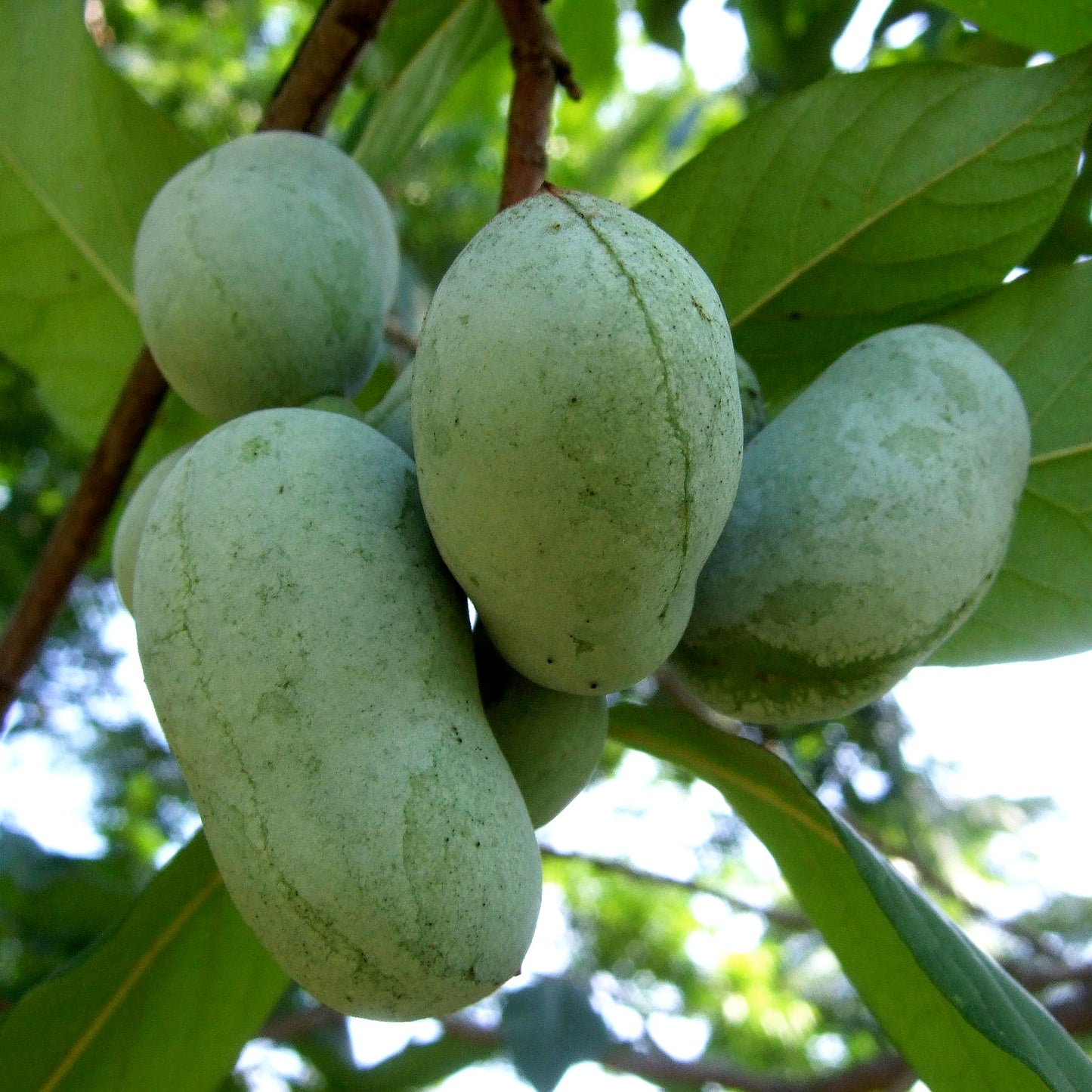
In the spring, the tree develops dark red to brownish flowers, which, after pollination, turn into oblong, green fruits. As the fruits ripen, they become soft and aromatic with a creamy texture.
Usage
The pawpaw fruit is eaten fresh or used in desserts, ice cream, smoothies, and baked goods. It is rich in vitamins and antioxidants and is an exciting addition to any edible garden.
Pollination
Although some varieties are described as self-pollinating, it almost always yields better results to plant several different specimens so they can cross-pollinate.
Cultivation and care
- Light: Young plants thrive best in partial shade. Older plants can tolerate more sun.
- Temperature: Very hardy and tolerant of frost.
- Soil: Deep, nutrient-rich, and well-drained soil with good moisture.
- Watering: Keep the soil evenly moist – especially during the establishment phase.
- Fertilizer: Apply compost or mild organic fertilizer during the growing season.
- Location: A protected site is recommended, especially for young plants.
Note
Pawpaw seeds have a natural dormancy period and require cold stratification to germinate. The germination process can therefore be slow and unpredictable, but the reward is a unique and exciting fruit tree.
Asimina triloba is a rare and exciting fruit species that combines tropical flavor with Nordic hardiness – perfect for the curious gardener and collector who wants something truly special in the garden. 🌿
Note: The plant loses its leaves very easily when moved to a new location. It is therefore important (not to lose faith) and give it time to form new leaves. This is completely normal! It is also a deciduous tree, so it loses its leaves every autumn. This is also completely normal.
Note: The images are intended as examples of the plant and do not necessarily represent the exact plant being purchased.
Childcare
Childcare
Size
Size
Grows up to 6 meters
Difficulty level
Difficulty level
Beginner
Note
Note
Exclusive pot

ALSO REMEMBER
Organic fertilizer (Tropical) | 500 ml
Del