Buy 4 packs of seeds (or more) and get a 10% discount
a Piece of Nature
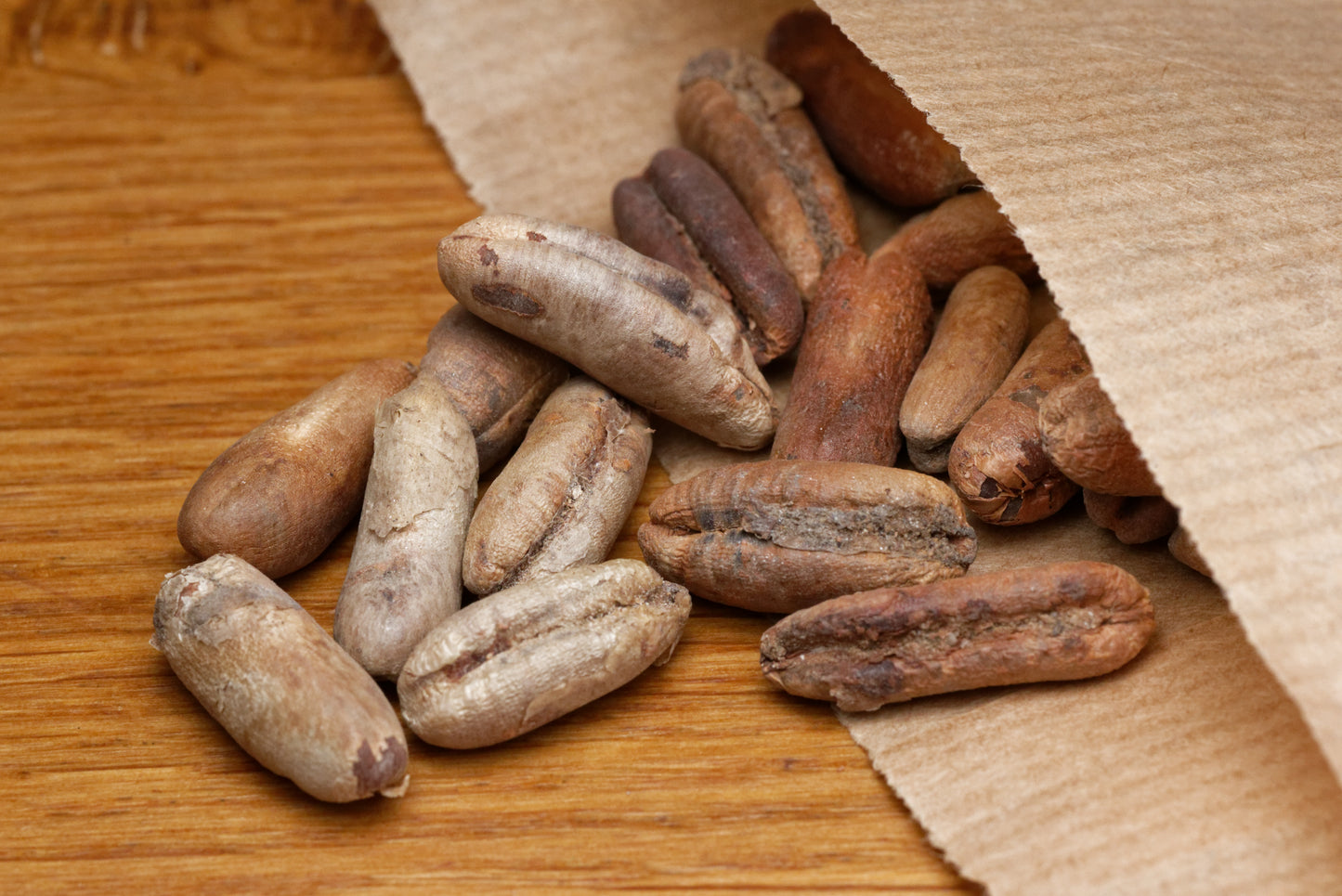
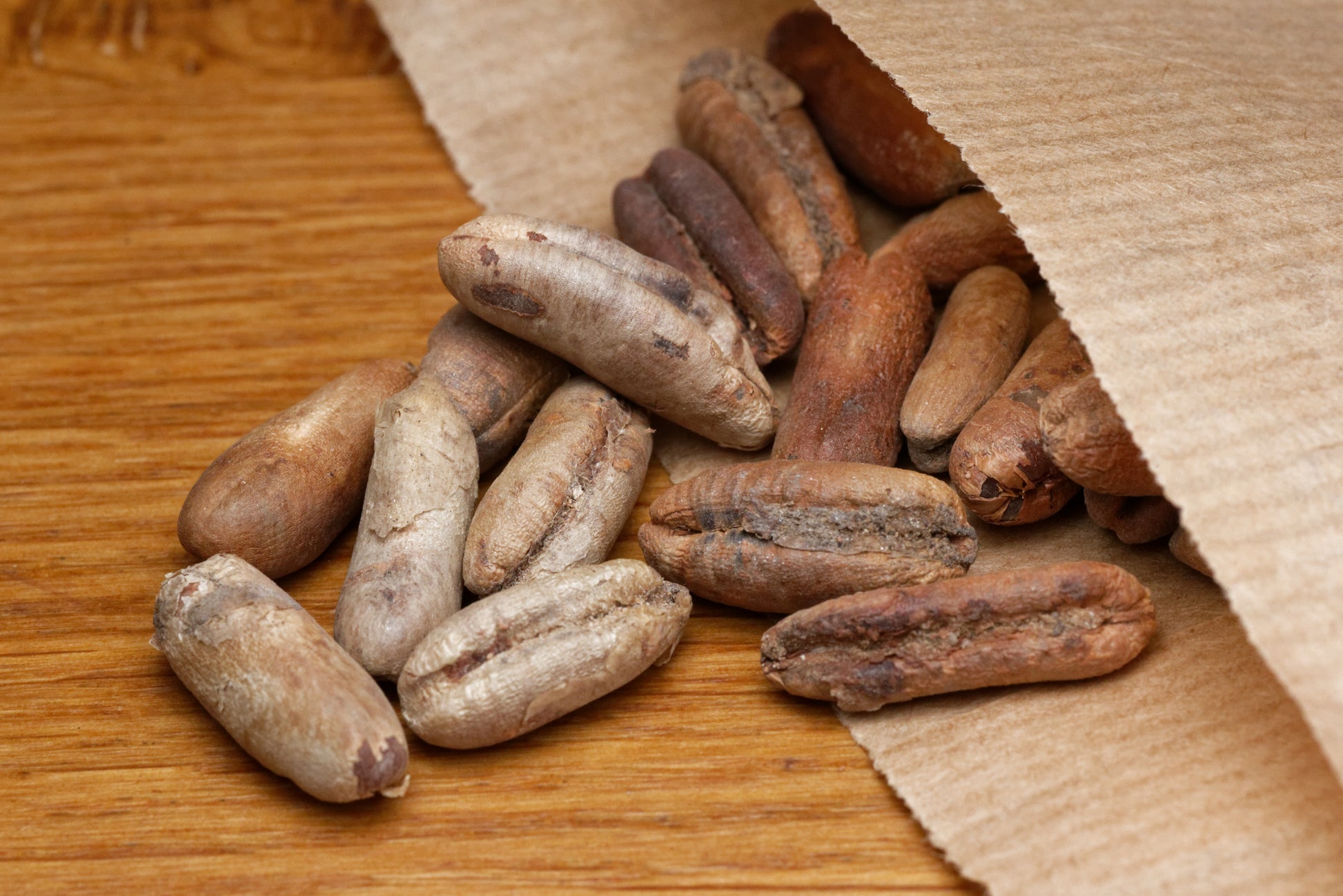
Date palm (Phoenix dactylifera) | seeds, 10 pcs.
Date palm (Phoenix dactylifera) | seeds, 10 pcs.
Couldn't load pickup availability
- Latin name: Phoenix dactylifera
- Danish names: Ægte daddelpalme, daddelpalme
- English names: Date palm, True date palm
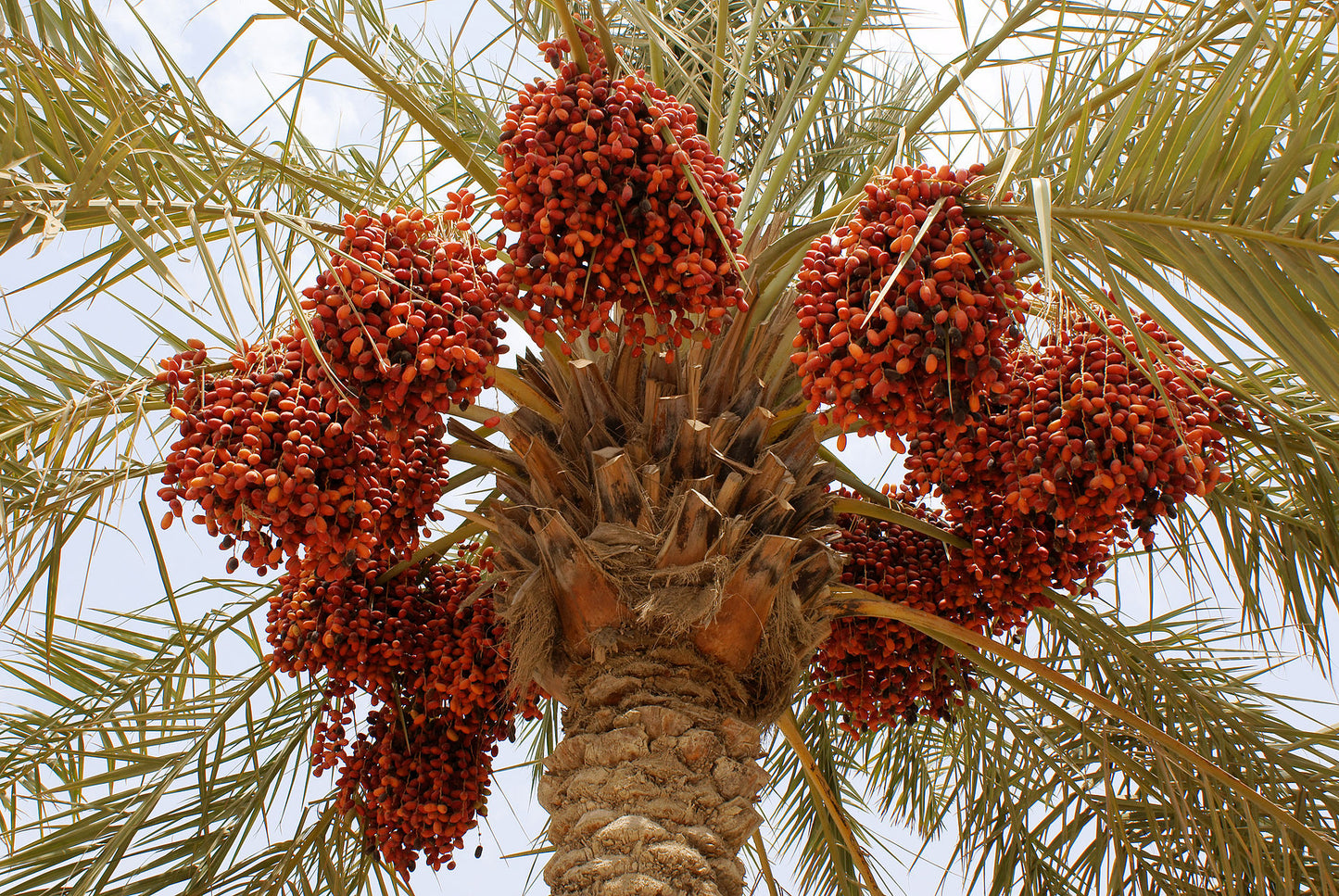
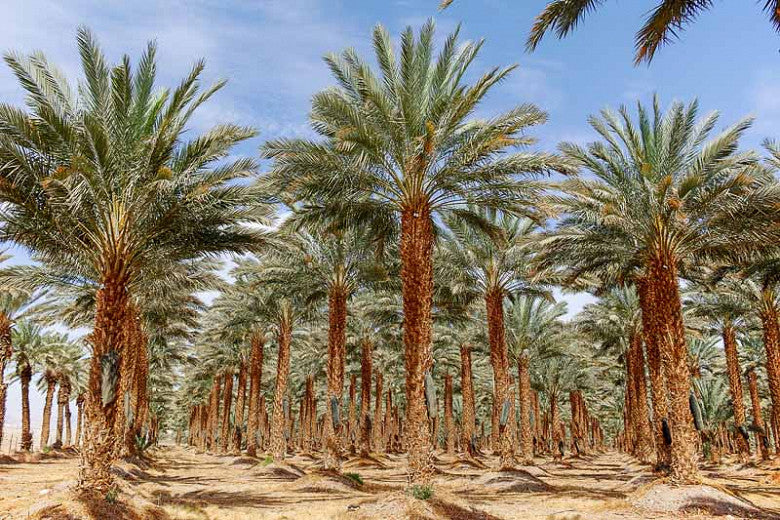
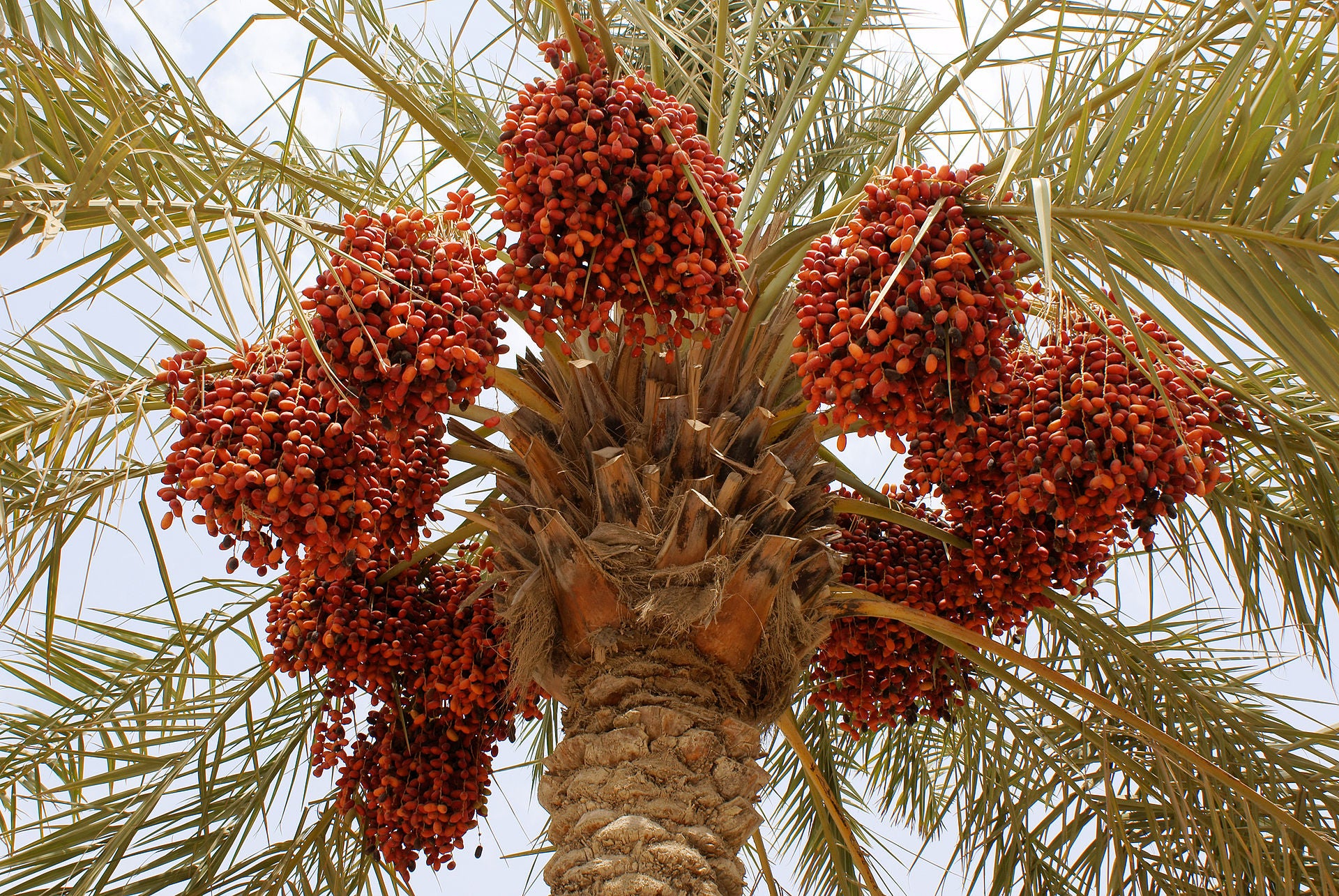
Phoenix dactylifera is the true date palm – one of the world's oldest cultivated fruit plants and the very symbol of lush oases in the arid landscapes of the Middle East and North Africa. The palm is particularly known for its sweet, edible dates, but it is also an impressive ornamental plant with a tall, slender trunk and an elegant crown of long, grey-green, feathery leaves.
The species' natural distribution stretches from the Arabian Peninsula to southern Pakistan, but it has been cultivated and spread by humans for thousands of years. Archaeological finds show that date palms were utilized in the area around the Persian Gulf as early as prehistoric times. This long history of cultivation makes it difficult to determine exactly where the species was first domesticated.
Over time, the date palm can reach 15–25 meters in height and develops a sturdy, upright trunk with distinct traces of old leaf bases. The long leaves form a relatively open crown, and the plant can also develop suckers from the base. This distinguishes it from the closely related Canary Island date palm (Phoenix canariensis), which normally has a significantly thicker trunk and a denser, fuller crown of leaves.
A special feature of Phoenix dactylifera is that it is dioecious. This means that male and female flowers are found on separate plants. Only female palms develop dates, and fruit production requires pollination from a male palm. In traditional date plantations, pollination is often performed manually to ensure a good yield. Seed-grown plants can be both male and female, and their fruit characteristics can vary significantly from the mother plant.
In addition to the Canary Island date palm, the species is also related to the Cretan date palm (Phoenix theophrasti), which occurs naturally in the eastern Mediterranean region. The Cretan species is generally more compact and can form dense groups of trunks, whereas the true date palm is especially known for its importance as a fruit crop.
If you are interested in growing more exciting palms from seed, you can explore our selection of palm seeds, where you will find both classic date palms, exotic fan palms, and more unusual collector species.
Cultivation and requirements
Phoenix dactylifera is naturally adapted to hot, sunny areas where the roots have access to water, even though the climate is arid. It prefers:
- Full sun and a very bright location
- A well-drained, preferably sandy and nutrient-rich soil
- Regular watering during the growing season with the possibility of slight drying out between waterings
- High summer temperatures and a warm, sheltered growing site
- Less water and a bright, cool wintering
Although the date palm is associated with desert regions, it is not a plant that thrives in constantly dry soil. In nature and in traditional oases, it often grows where the roots can reach groundwater or where there is access to irrigation. However, it tolerates dry air and intense sun significantly better than many tropical palms.
Established plants can tolerate short-term, light frost, but prolonged periods of frost and especially the combination of cold and moist soil can cause serious damage. In Danish conditions, cultivation in a pot with bright and frost-free wintering is the safest solution. In the summer, the palm can be placed outdoors on a sunny terrace or in the garden.
Cultivation from seed
Seeds of Phoenix dactylifera are relatively easy to germinate under warm conditions. Remove any remains of fruit flesh and preferably soak the seeds in lukewarm water for 24–48 hours before sowing.
- Sow in an airy and well-drained seed compost (alternatively, the bag germination method can be used)
- Cover the seeds with approximately 1–2 cm of sowing medium
- Maintain a temperature around 25–30 °C
- Keep the soil slightly moist, but not wet
- The seeds do not require cold stratification
Under good conditions, germination can begin after 2–6 weeks, but some seeds may take significantly longer to sprout. The first leaves are narrow and undivided, strap-like. Only gradually, as the plant grows, do the characteristic feathery leaves develop.
Young date palms develop a powerful root system with long roots early on. It can therefore be an advantage to use tall palm pots, which provide good space for root development and reduce the need for early repotting.
See also our article on germinating palm seeds.
Utility and collector value
Phoenix dactylifera has had a unique significance for human settlement and agriculture in arid regions. For millennia, dates have been an important food source that could be eaten fresh or dried for storage. At the same time, the palm's leaves and fibers have traditionally been used for items such as baskets, mats, ropes, and building materials.
In traditional oasis gardens, the date palm has also served an important function as a shade-giving tree. The tall palms create a more sheltered microclimate where smaller fruit trees, vegetables, and other crops can be grown under their canopy. This form of cultivation has been an important part of agriculture in many arid regions.
There are a large number of cultivated varieties of the date palm, including the well-known Medjool and Deglet Noor, which differ in the size, consistency, and taste of the fruits. These varieties are normally propagated vegetatively to preserve their special characteristics. Plants grown from seed, on the other hand, will be genetically different and cannot be expected to yield fruits with the same characteristics as a specific variety.
In Danish conditions, Phoenix dactylifera is primarily grown as an ornamental palm, as the production of mature dates requires a long, very hot growing season. For palm enthusiasts, however, the species is interesting both because of its elegant growth form, its relatively good adaptability, and its very special cultural history.
The true date palm is therefore an obvious choice for anyone who wants to grow a classic palm from seed – a plant with a history that stretches all the way back to some of the world's earliest agricultural societies.
Seed germination
Seed germination
Childcare
Childcare
Size
Size
Up to 30 meters high
Difficulty level
Difficulty level
Beginner
NB
NB
The original palm tree for our edible dates