Buy 4 packs of seeds (or more) and get a 10% discount
a Piece of Nature
Canary Island date palm (Phoenix canariensis) | seeds, 10 pcs.
Canary Island date palm (Phoenix canariensis) | seeds, 10 pcs.
Couldn't load pickup availability
- Latin name: Phoenix canariensis
- Danish names: Kanarisk daddelpalme, fønikspalme
- English names: Canary Island date palm, Canary palm, Pineapple palm
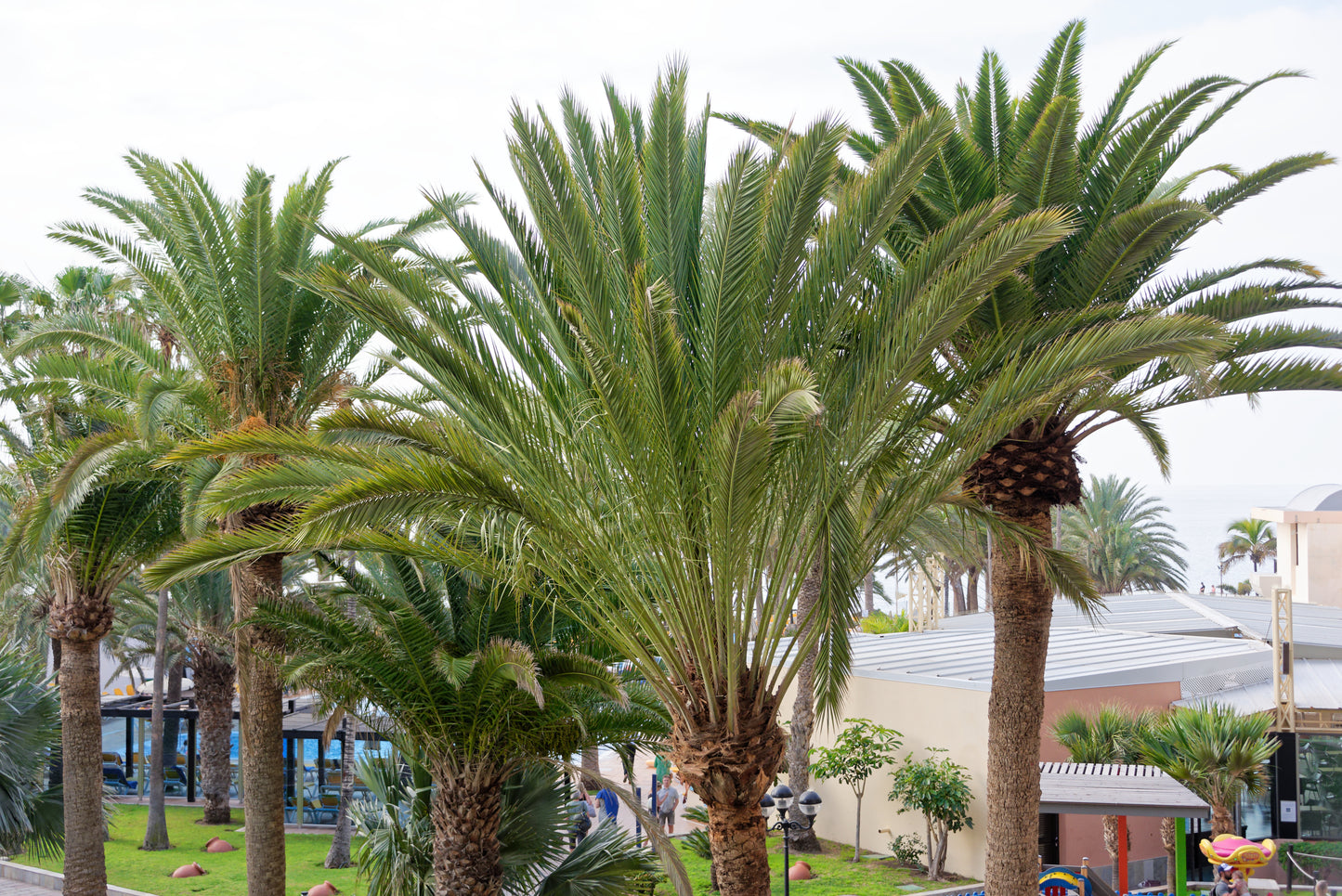
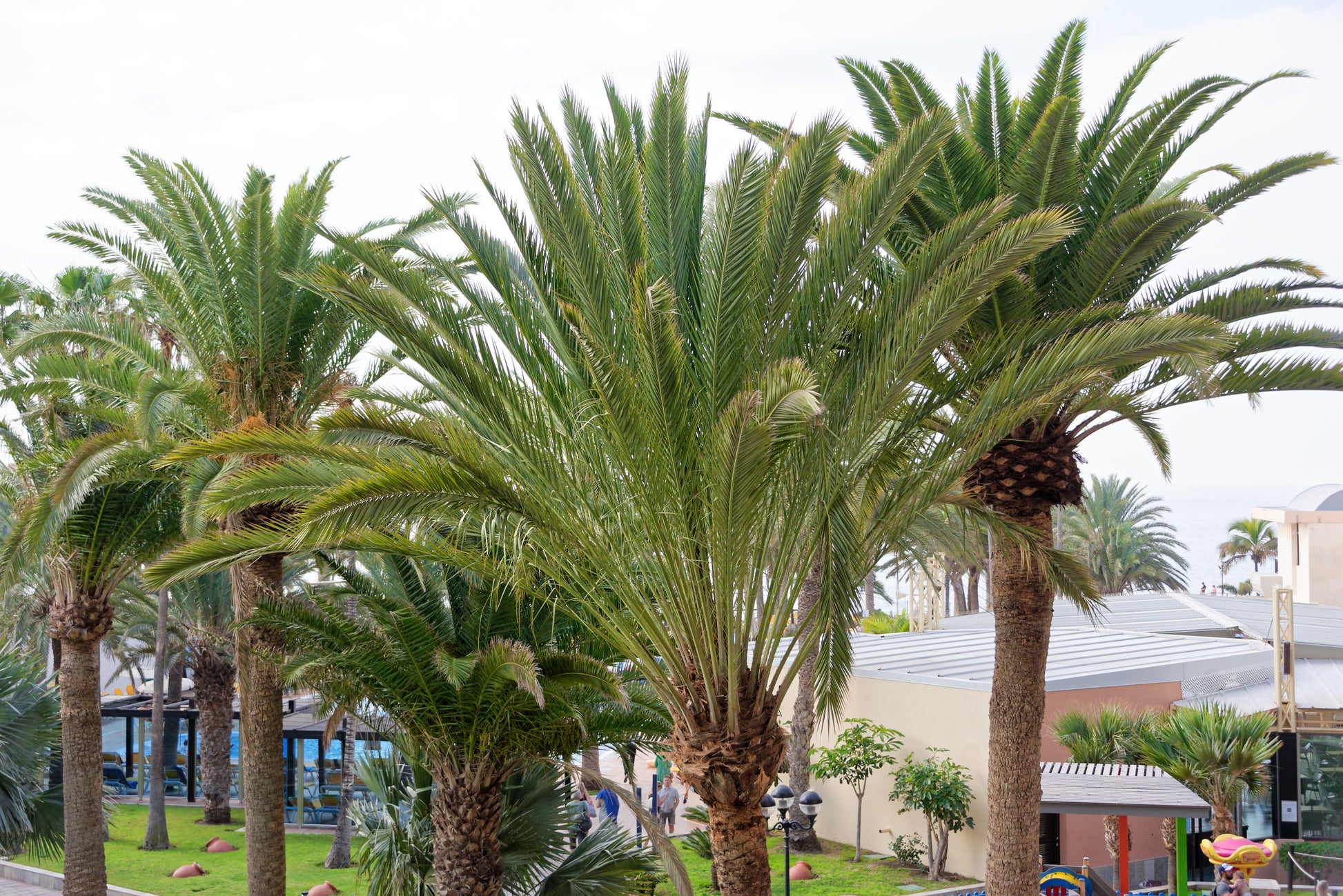
Phoenix canariensis is an impressive and majestic palm that, with its sturdy trunk and large, dense crown of arched, feathery leaves, has become a familiar sight in parks, gardens, and along promenades in warm regions. The species is particularly characterized by its robust growth habit and long, dark green leaves, which can reach lengths of 4-6 meters in mature plants.
The palm originates from the Canary Islands, where it occurs naturally in places such as ravines, valley depressions, and areas with access to underground moisture. Here, it is an important part of the native vegetation and can grow into a large tree of 15-20 meters or more. The sturdy trunk can reach about a meter in diameter and is often marked by the characteristic patterns left by old leaf bases.
Although Phoenix canariensis is often associated with the Mediterranean region, it is, in fact, native to the Canary Islands. Since then, it has become one of the world’s most widely used ornamental palms in subtropical regions, where its symmetrical and lush crown gives it a striking architectural appearance.
The species is closely related to the common date palm, Phoenix dactylifera, but differs in its significantly denser leaf crown and more massive trunk. While the common date palm is primarily grown for its edible dates, Phoenix canariensis is above all an ornamental palm. It also produces small, orange-yellow date-like fruits, but they have only limited value as food.
A particularly interesting feature of the species is its traditional use in the Canary Islands. On La Gomera in particular, sap has been extracted from the crown of the palm for generations and boiled down into a sweet syrup locally known as miel de palma – palm honey. This tradition is a characteristic part of the island's cultural history.
If you are interested in growing more exciting palms from seed, you can explore our selection of palm seeds, where you will find both classic and more unusual palm species from different parts of the world.
Cultivation and requirements
Phoenix canariensis is a relatively robust palm that thrives best under sunny and warm conditions. It prefers:
- Full sun or a very bright location
- Nutrient-rich and well-drained soil
- Regular watering during the growing season, but without constantly wet soil
- A warm and protected growing site
- Reduced watering throughout the winter
The species tolerates heat, wind, and short periods of drought once established. It is also more cold-tolerant than many tropical palms. Large, established plants can, under favorable conditions, withstand brief frost around -5 °C or slightly lower, but the leaves may be damaged, and longer periods of frost can be devastating.
Under Danish conditions, growing it in a large pot with bright and frost-free overwintering is the safest solution. The palm can be kept outdoors on a sunny terrace from spring to autumn, but should be moved to a protected location before severe frost sets in. Young plants are significantly more sensitive to cold than older specimens.
Cultivation from seed
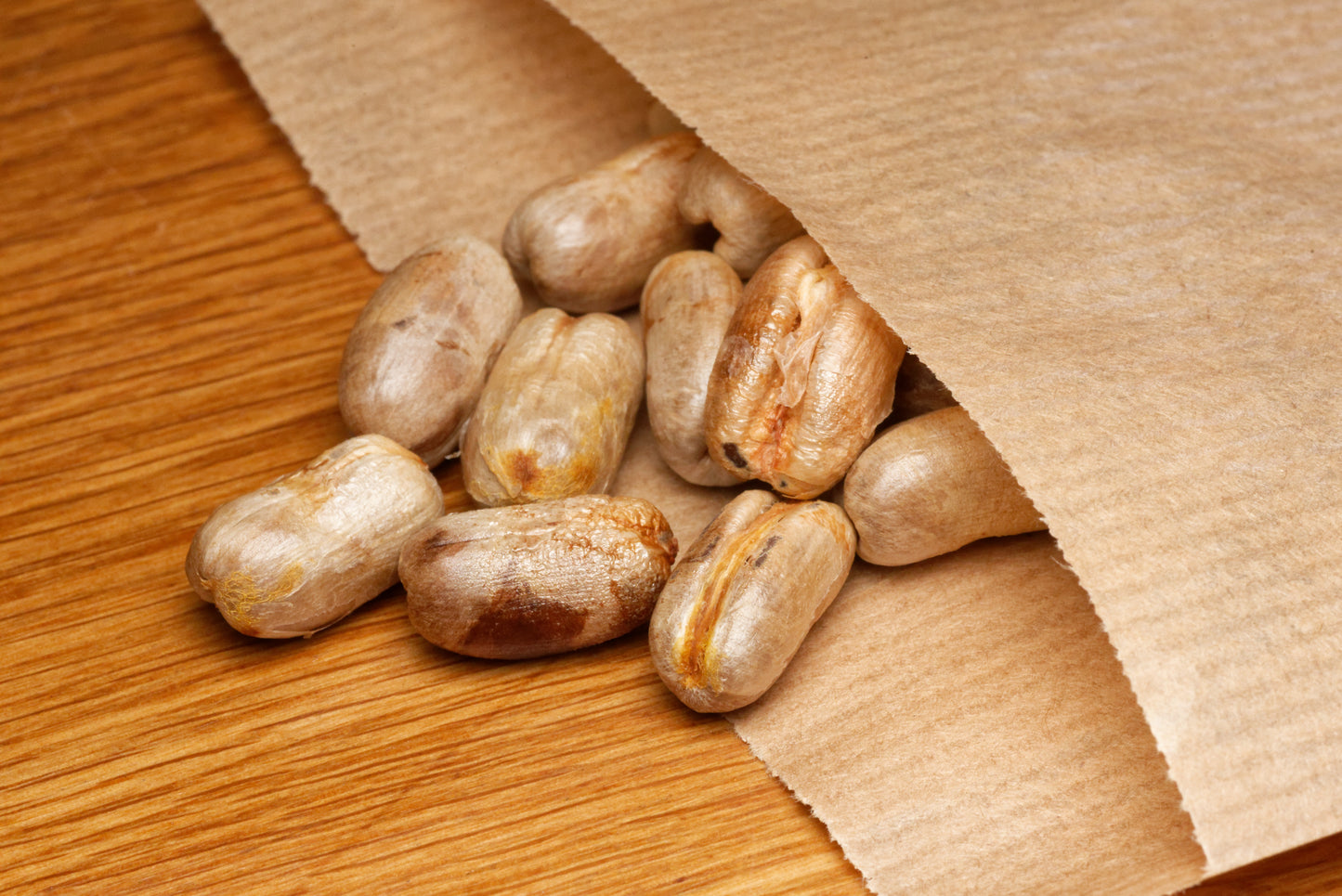
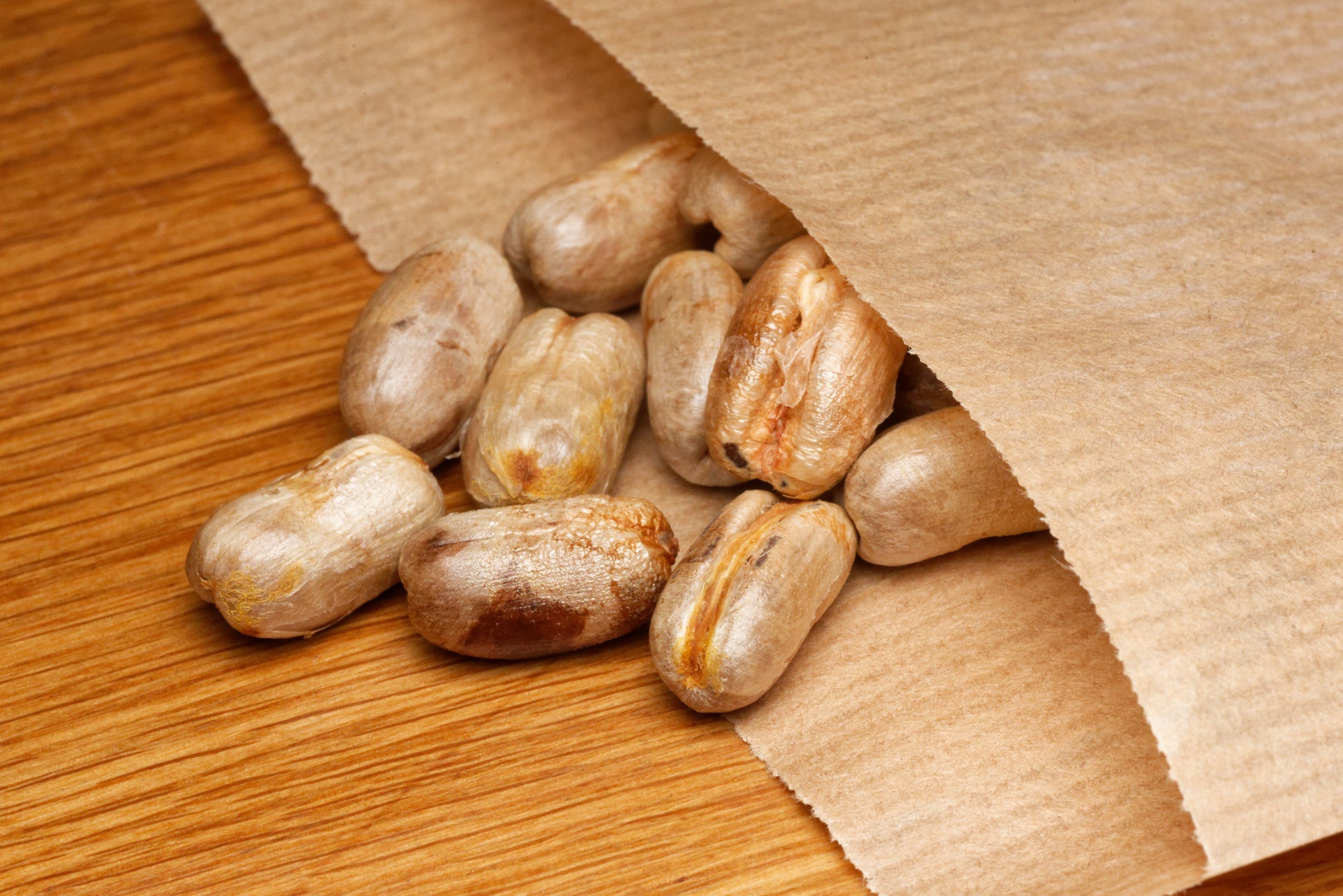
Seeds of Phoenix canariensis are relatively easy to germinate compared to many other palm species. They can advantageously be soaked in lukewarm water for 24-48 hours before sowing. Any remnants of fruit pulp should be removed first.
- Sow in an airy and well-drained seed compost (alternatively, the baggie germination method can be used)
- Cover the seeds with approximately 1-2 cm of seed compost
- Maintain a temperature of around 25-30 °C
- Keep the soil slightly moist, but not wet
- Place the sowing in a bright and warm location
Under good conditions, germination can begin after 4-8 weeks, but some seeds may take several months to sprout. The seeds do not require cold stratification.
The first leaves are narrow and undivided strap-shaped. Only as the plant grows do the characteristic feathery palm leaves develop. Young plants form a relatively deep root system early on and can therefore advantageously be grown in tall palm pots, which provide space for root development.
- You may also want to see our article on germination of palm seeds.
Utility and collector value
Phoenix canariensis is one of the most characteristic ornamental palms from the Atlantic subtropical islands. Its impressive size, sturdy trunk, and dense leaf crown make it particularly suitable as a specimen plant, where it is given the space to develop its natural form.
Although the species is common as an ornamental palm in Southern Europe, it is also interesting for palm enthusiasts in Denmark. It combines a distinctly exotic appearance with a certain tolerance for cooler temperatures and can therefore be grown outdoors for a large part of the year.
For the botanically interested, the palm is also an exciting example of the unique flora and cultural history of the Canary Islands. Its traditional use for making palm syrup and its significance as a characteristic landscape element make it more than just a decorative palm.
Phoenix canariensis is therefore an obvious choice for those who wish to grow a classic, large-growing palm from seed and follow its development from the first narrow leaves to a robust plant with an increasingly impressive leaf crown.
Seed germination
Seed germination
Childcare
Childcare
Size
Size
Up to 40 meters
Difficulty level
Difficulty level
Between
NB
NB
Becomes somewhat smaller when grown in a pot