Buy 4 packs of seeds (or more) and get a 10% discount
a Piece of Nature
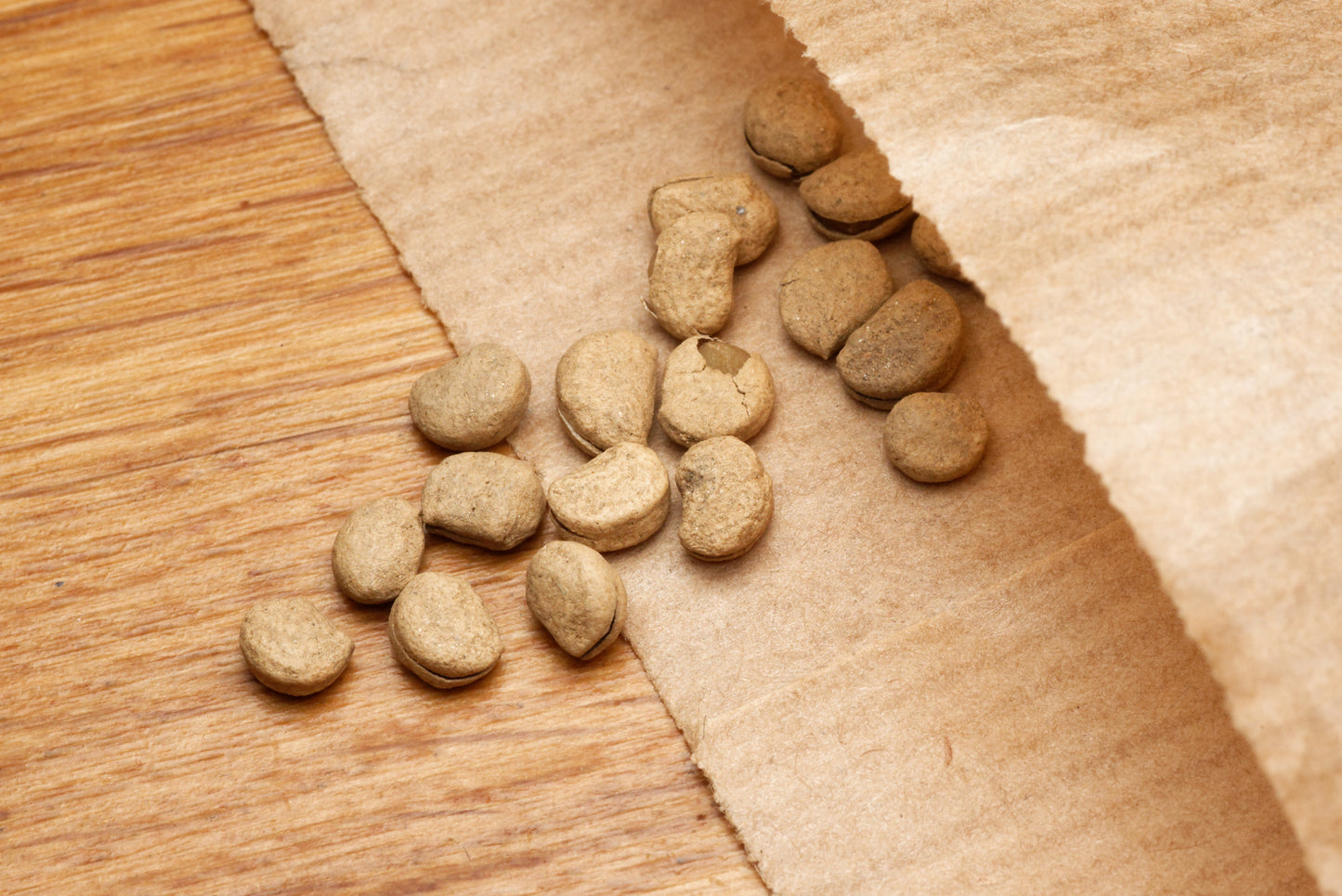
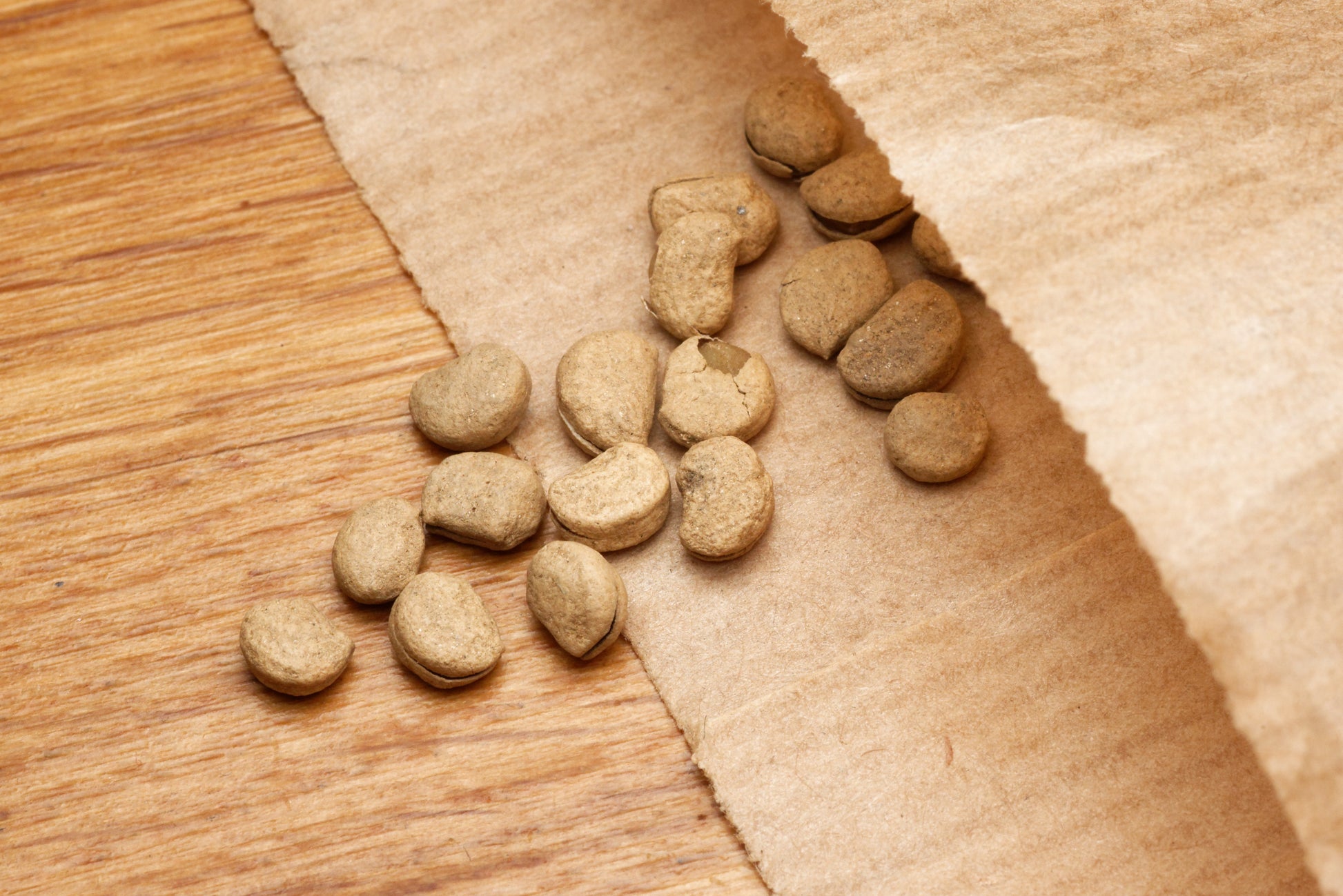
Ginseng (Panax ginseng) | seeds, 10 pcs.
Ginseng (Panax ginseng) | seeds, 10 pcs.
Couldn't load pickup availability
- Latin name: Panax ginseng
- Danish names: Ginseng, Asian ginseng, Korean ginseng
- English names: Asian ginseng, Korean ginseng, Chinese ginseng
Panax ginseng is the true Asian ginseng – a legendary plant that, for centuries, has been one of East Asia’s most highly valued cultivated plants. The species originates from temperate forest regions in Northeast Asia, particularly Korea, Manchuria, and the Russian Far East, where it grows slowly in the cool, shaded forest floor.
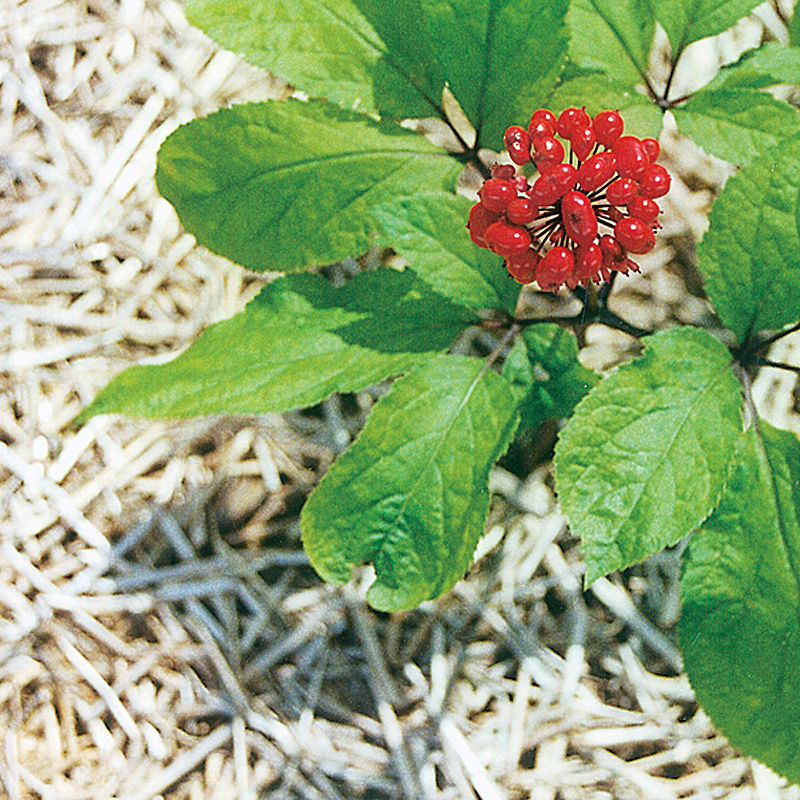
The plant is perennial and develops a characteristically robust root, while above ground it forms an upright stem with palm-shaped leaves. In summer, older plants may develop a small umbel of discrete greenish flowers, followed by decorative, bright red berries.
However, it is the root that has made Panax ginseng famous. Ginseng has a very long history of use in East Asia, and the roots are traditionally harvested only after several years of cultivation. Old, slowly developed roots have historically been particularly sought after, and wild ginseng roots with unusual shapes have been known to fetch extremely high prices.
The genus name Panax comes from Greek and is related to the word "panacea" – a universal remedy – which reflects the plant's historical status and significance in traditional Asian culture.
Cultivation and requirements
Unlike many other exotic useful plants, Panax ginseng is not grown in hot or tropical conditions. It is a temperate forest floor plant that prefers:
- Partial shade to shade
- Humus-rich, slightly acidic, and well-drained soil
- Consistent moisture without standing water
- A cool and sheltered location
Direct, strong summer sun should be avoided. A location with morning sun or filtered light under trees and shrubs suits the plant's natural habitat better.
Panax ginseng is winter-hardy and can be grown outdoors in Denmark. The plant dies back completely in the autumn and overwinters underground, after which it shoots up again in the spring. Since the root needs the opportunity to develop undisturbed over several years, it is an advantage to choose the planting site with care from the beginning.
Growing from seed
Growing ginseng from seed is a project for the patient plant enthusiast. The seeds have deep dormancy and naturally undergo alternating warm and cold periods before germination can begin.
The seeds can advantageously be sown outdoors in a pot or in a sheltered seedbed and allowed to follow the natural temperature fluctuations of the seasons. The soil should be kept slightly moist, but must not be constantly wet.
Germination can be slow, and depending on the maturity of the seeds and their previous treatment, it may take many months and in some cases more than one season before the first sprouts appear. Pots with unsprouted seeds should therefore not be discarded too soon.
Once the plants are established, they develop slowly year by year. It is precisely this slow growth and the gradual development of the root that is part of the fascination of growing true ginseng yourself.
Utility and collector value
Panax ginseng is one of the world's most famous traditional useful plants. The root has been used for centuries in East Asian tradition and continues to be part of a wide range of ginseng products worldwide.
For the plant enthusiast, the species is just as interesting as a cultivated and collector's plant. It is a slow-growing plant that rewards patience, and over a number of years, you can watch the characteristic ginseng root grow larger and more branched underground.
Panax ginseng is therefore something completely different from a fast-growing exotic plant – it is a perennial cultivation project with a fascinating botanical and cultural-historical background, which can also be grown outdoors under Danish conditions.
Seed germination
Seed germination
Childcare
Childcare
Size
Size
Up to 60 cm tall
Difficulty level
Difficulty level
Between
NB
NB
Does not like acidic soil