Buy 4 packs of seeds (or more) and get a 10% discount


a Piece of Nature
Himalayan flame banana (Musa aurantiaca) | seeds, 10 pcs.
Himalayan flame banana (Musa aurantiaca) | seeds, 10 pcs.
Couldn't load pickup availability
- Latin name: Musa aurantiaca
- Danish names: Himalaya flammebanan, orangeblomstret banan
- English names: Himalayan Flame Banana, Orange banana
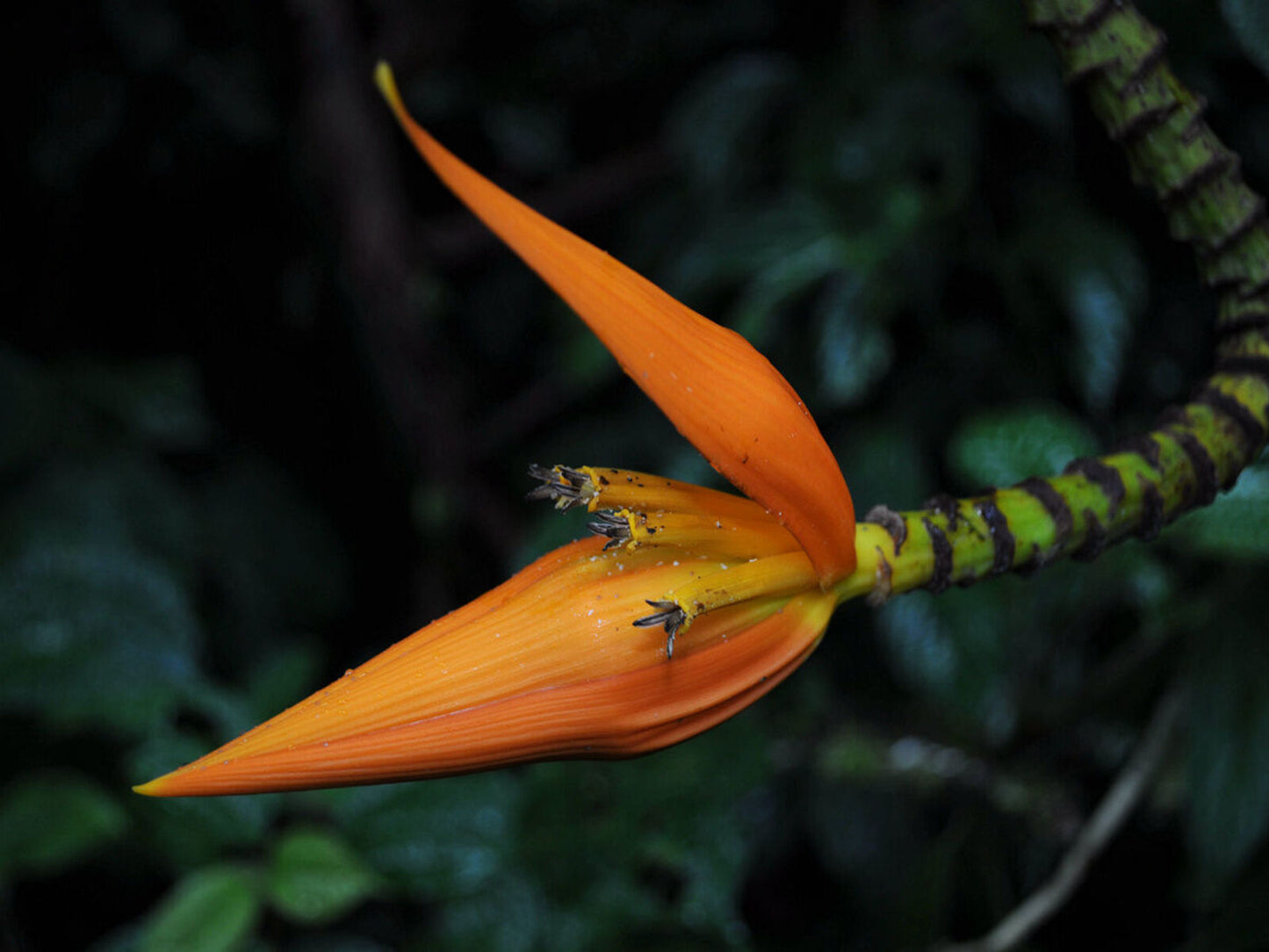
Musa aurantiaca is an unusual and highly decorative banana species from northeastern India, where it grows in humid, tropical forest areas. The species is particularly known for its spectacular orange to red-orange bracts surrounding the inflorescence, which make it one of the most colorful banana species in cultivation.
Unlike many other bananas, Musa aurantiaca remains relatively compact. This makes it particularly suitable for cultivation in pots, greenhouses, and winter gardens where space is often limited.
The plant develops beautiful green leaves and an elegant growth habit, which provides a tropical look all year round. The decorative inflorescences are followed by small fruits with many seeds, making the species particularly interesting for collectors and plant enthusiasts.
Compared to larger species such as Musa cheesmanii or Musa sikkimensis, Musa aurantiaca is more compact and is grown primarily for its ornamental appearance rather than size.
Cultivation and requirements
Musa aurantiaca thrives best in full sun to light partial shade and prefers:
- Nutrient-rich and well-drained soil
- Even moisture during the growing season
- High humidity
- Warm and sheltered conditions
A nutrient-rich tropical potting soil is ideal for cultivation. For optimal growth, an organic fertilizer can be used during the growing season, as banana plants generally have a high need for nutrients.
The species is not frost-tolerant and in Denmark is best grown as a potted plant, greenhouse plant, or winter garden plant. The temperature should preferably be kept above 15 °C all year round, and growth is most active at temperatures above 20 °C.
Regular watering and high humidity contribute to healthy growth and attractive leaves.
Cultivation from seeds
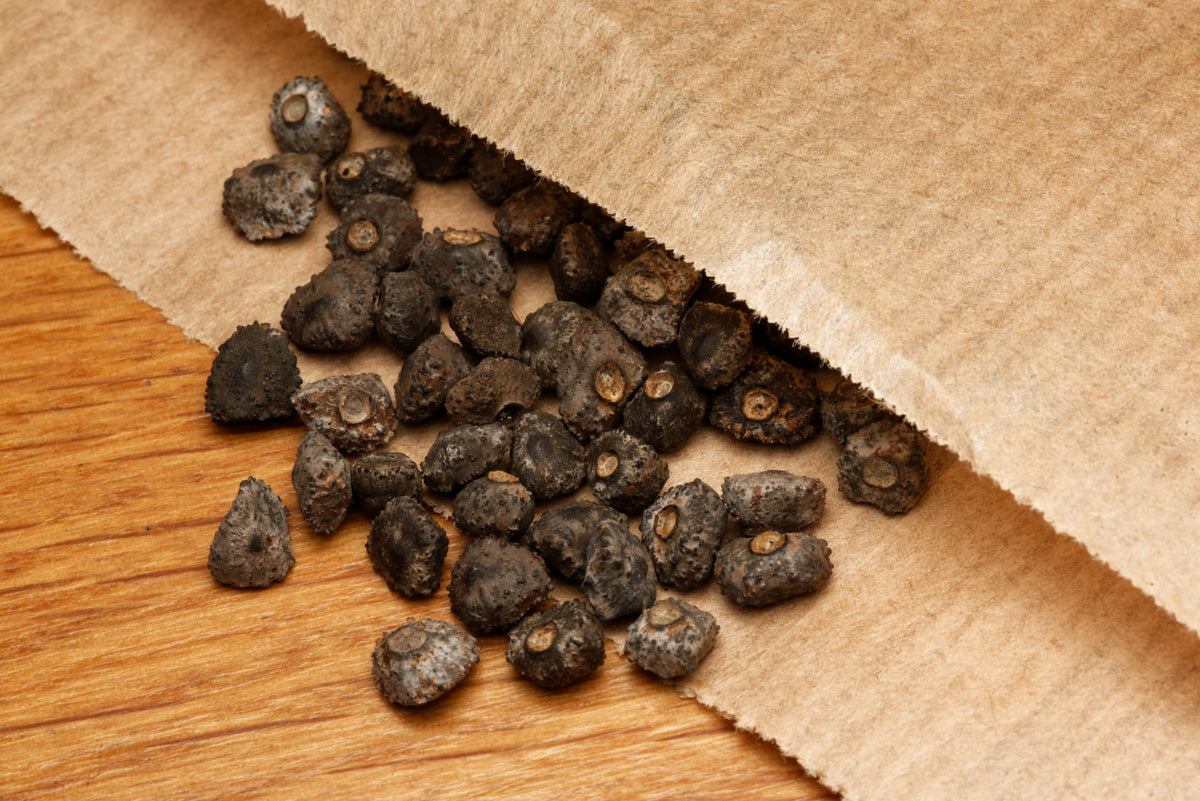
Seeds of Musa aurantiaca have a hard seed coat and germinate best under warm conditions.
- Soak the seeds in lukewarm water for 24–48 hours before sowing
- Optionally, scarify the seeds lightly beforehand
- Sow in a well-drained soil mix
- Keep the temperature at 25–30 °C
- Keep the soil evenly moist, but not wet
Germination can occur within a few weeks, but it is not unusual for the process to take several months. So have patience. The young plants grow relatively quickly under good conditions and develop their characteristic tropical leaves early on.
Utility and collector value
Musa aurantiaca is grown primarily as an ornamental and collector plant. It is especially the spectacular orange inflorescences and the compact growth habit that make the species sought after among collectors of rare bananas.
For enthusiasts of exotic plants, it is an exciting addition to other decorative banana species such as Musa velutina, Musa cheesmanii, and Musa sikkimensis. See also our entire selection of banana seeds.
Although the fruits are not grown for eating, the plant is among the most decorative species in the genus and provides an exotic and tropical touch to any collection.
Musa aurantiaca is an obvious choice for the plant enthusiast who wants to grow a colorful and unique banana plant right from seed – a species with spectacular flowers, compact growth, and high collector value.
Seed germination
Seed germination
Childcare
Childcare
Size
Size
Up to 2.5 meters
Difficulty level
Difficulty level
Between
NB
NB
Not frost tolerant