Buy 4 packs of seeds (or more) and get a 10% discount


a Piece of Nature
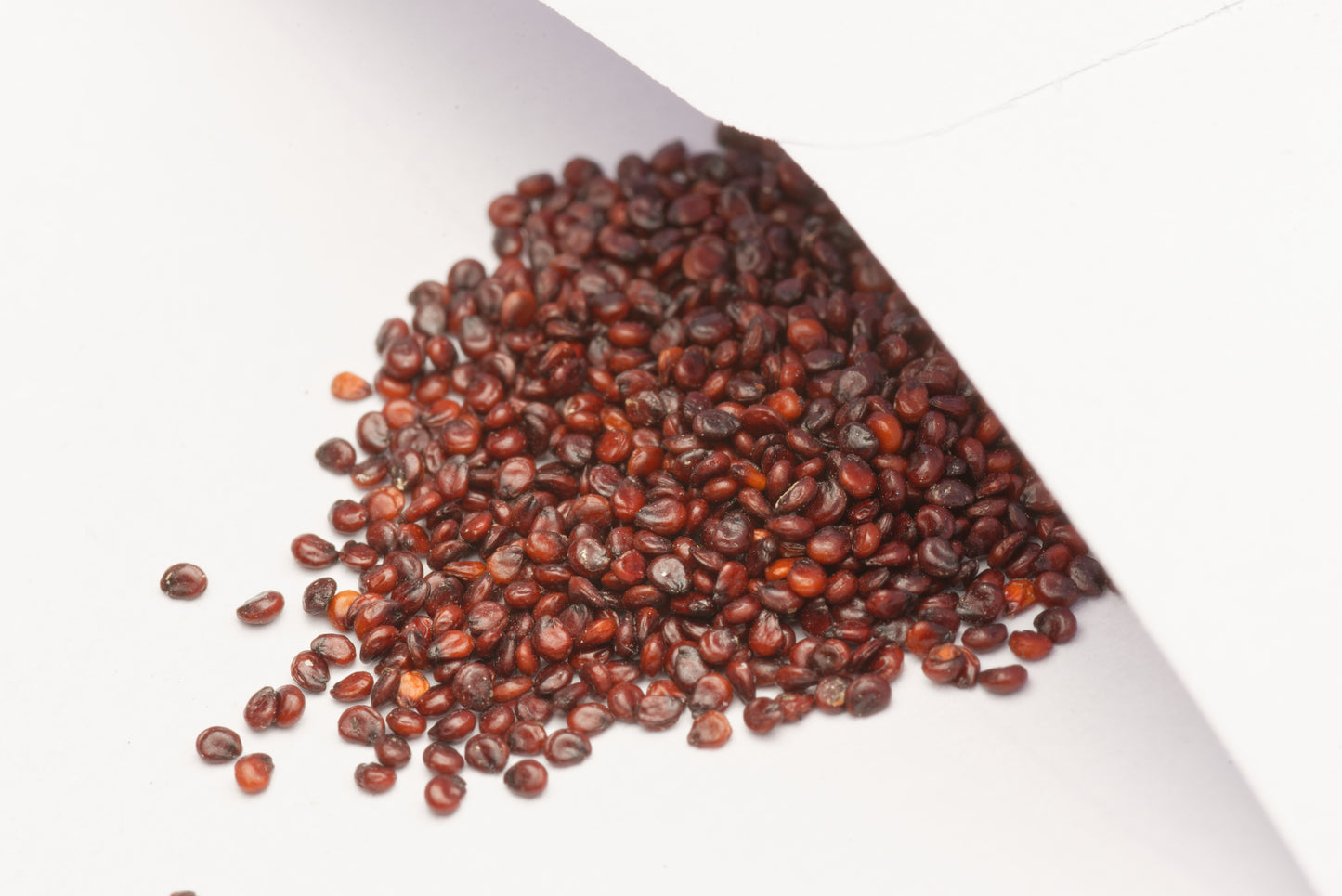
Pigface (Carpobrotus dimidiatus) | seeds, 10 pcs.
Pigface (Carpobrotus dimidiatus) | seeds, 10 pcs.
Couldn't load pickup availability
- Latin name: Carpobrotus dimidiatus
- Danish names: Hottentotfigen, isplante
- English names: Ice plant, sour fig, pigface
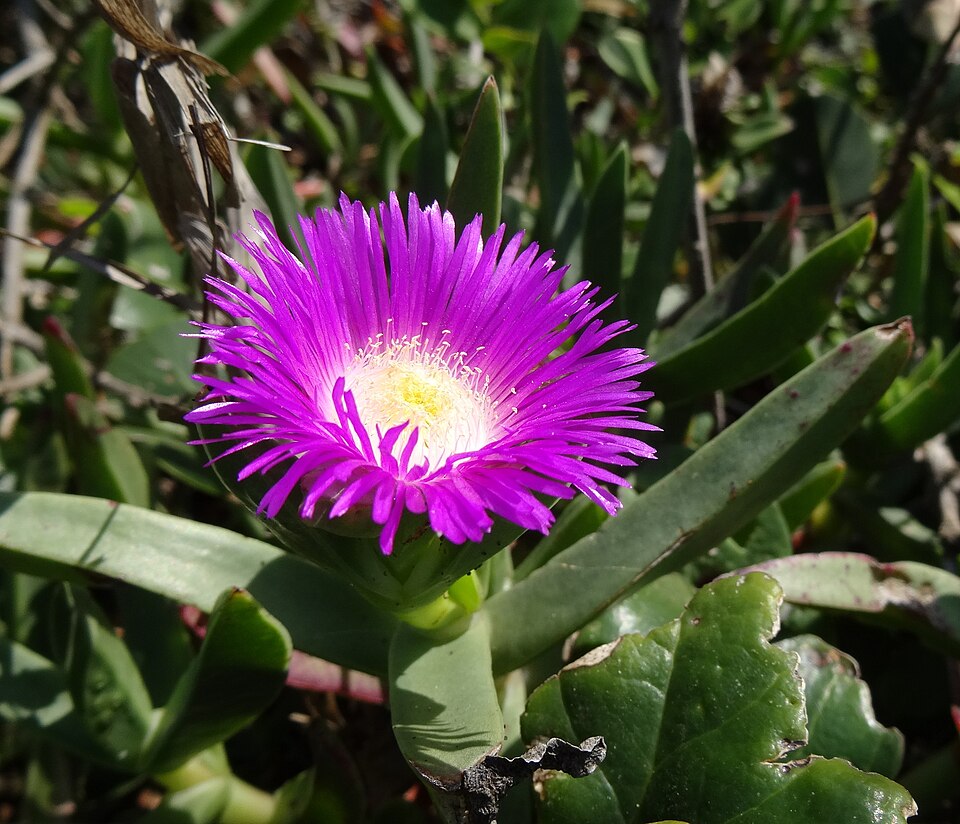
Carpobrotus dimidiatus is a low, creeping succulent from southern Africa, where it grows in sunny, dry, and often coastal areas. Like other species in the genus, it forms dense, trailing mats with thick, triangular leaves that are adapted to drought, salt exposure, and intense sun.
The species is especially prized for its large, daisy-like flowers, which give the plant a colorful and eye-catching appearance during the growing season. It resembles Carpobrotus edulis and Carpobrotus acinaciformis, but differs in details of both growth habit and flower/fruit characteristics. For collectors of South African succulents, it is therefore an exciting supplement to the more well-known species.
Cultivation and requirements
Carpobrotus dimidiatus thrives best in full sun and prefers:
- very well-drained, preferably sandy or gravelly soil
- sparse to moderate watering
- dry and airy conditions
The plant is suitable for cultivation in pots, bowls, alpine plantings, and rock gardens. In Denmark, it is best as a potted plant, as it is not fully hardy in wet and cold winter conditions. It should be overwintered in a bright and cool, but frost-free or nearly frost-free place, depending on the conditions and how well-established the plant is.
Like most Carpobrotus, it tolerates drought far better than constantly moist soil.
Cultivation from seed
Seeds of Carpobrotus dimidiatus are usually relatively easy to sow if they are given warmth, light, and well-drained soil. For best results, we recommend:
- sowing in a light, sandy, and well-drained soil mix. For example cactus and succulent soil
- only light covering or surface sowing
- temperature of 18–22 °C
- light moisture, without the soil becoming wet
Germination typically occurs within 1–4 weeks. The young plants usually grow steadily and develop the characteristic succulent leaves early on. It is important to acclimatize them gradually to strong sun so they do not get scorched after germination.
Utility and collector value
Carpobrotus dimidiatus is grown primarily as an ornamental plant, where it is valued for its drought tolerance, creeping growth, and large flowers. Like other species in the genus, it is an obvious choice for those who want plants with low water needs and a distinct Mediterranean or coastal feel.
For collectors, the species is particularly interesting as a rarer alternative to Carpobrotus edulis and Carpobrotus acinaciformis, which you may already know. It fits well into collections of South African succulents, coastal plants, and drought-tolerant species.
Carpobrotus dimidiatus is an obvious choice for the plant enthusiast who wants a robust and decorative succulent right from seed – an exciting creeping plant for sunny locations with a striking and natural look.
Seed germination
Seed germination
Childcare
Childcare
Size
Size
Carpet-forming
Difficulty level
Difficulty level
Easy
NB
NB
Produces edible small figs