a Piece of Nature
Japanese fiber banana (Musa basjoo) | plant
Japanese fiber banana (Musa basjoo) | plant
Couldn't load pickup availability
FROST TOLERANT
- Latin name: Musa basjoo
-
Danish names: Japansk banan, japanbanan, hårdfør banan, basjoo banan
-
English names: Banana, basjoo banana, Japanese banana, hardy banana
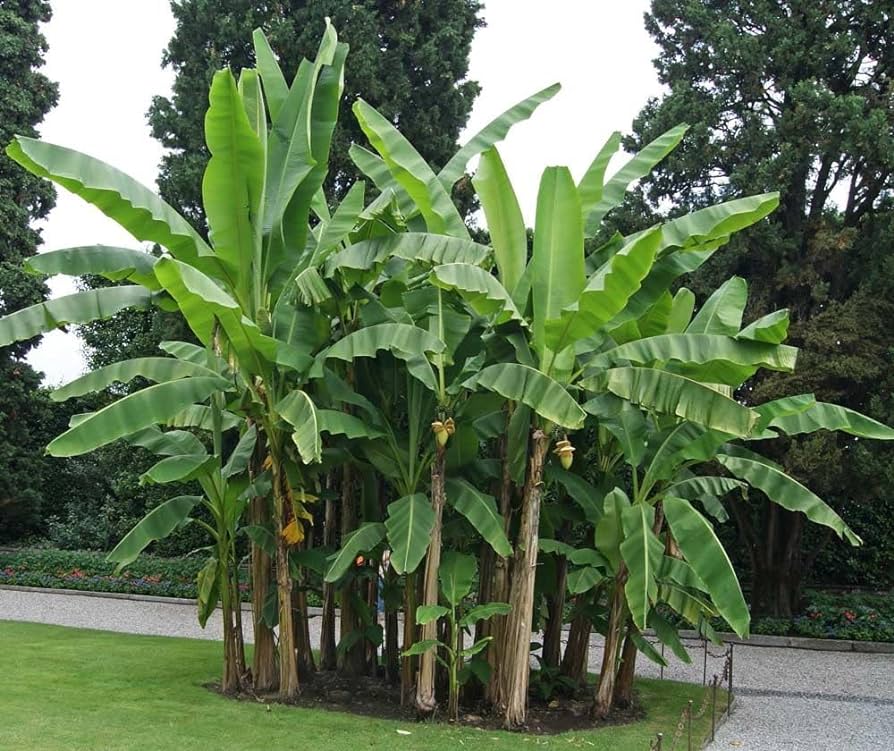
Musa basjoo, commonly known as the Japanese banana or hardy banana, is a species of banana plant native to the Ryukyu Islands of Japan. However, it is now grown in many other parts of the world, both as an ornamental plant and for its fiber, which is used in the textile industry. It is a fast-growing plant that can reach a height of up to 5 meters. It is known for its large, decorative leaves, which can grow up to 2 meters long and 30 cm wide. Although the plant produces flowers and small fruits, the fruits are generally not edible.
"Winter hardy"
This banana plant is considered one of the most winter-hardy bananas. In nature, it can survive freezing temperatures, making it one of the most suitable banana plants for growing outdoors in the Danish climate. Plant it in a good spot in the garden with nutrient-rich, well-draining soil. Ideally, place it somewhere with some protection from the wind, which can damage the leaves. In the autumn, immediately after the first frost, prune the plant down to about 1 meter (smaller plants do not need to be pruned). Then, wrap the plant in a good protective layer, such as straw, spruce branches, or insulation mats. Be sure to tie it securely around the plant so it does not blow away in the autumn storms.
With the right care, Musa basjoo can become an impressive and exotic addition to the garden or indoors.
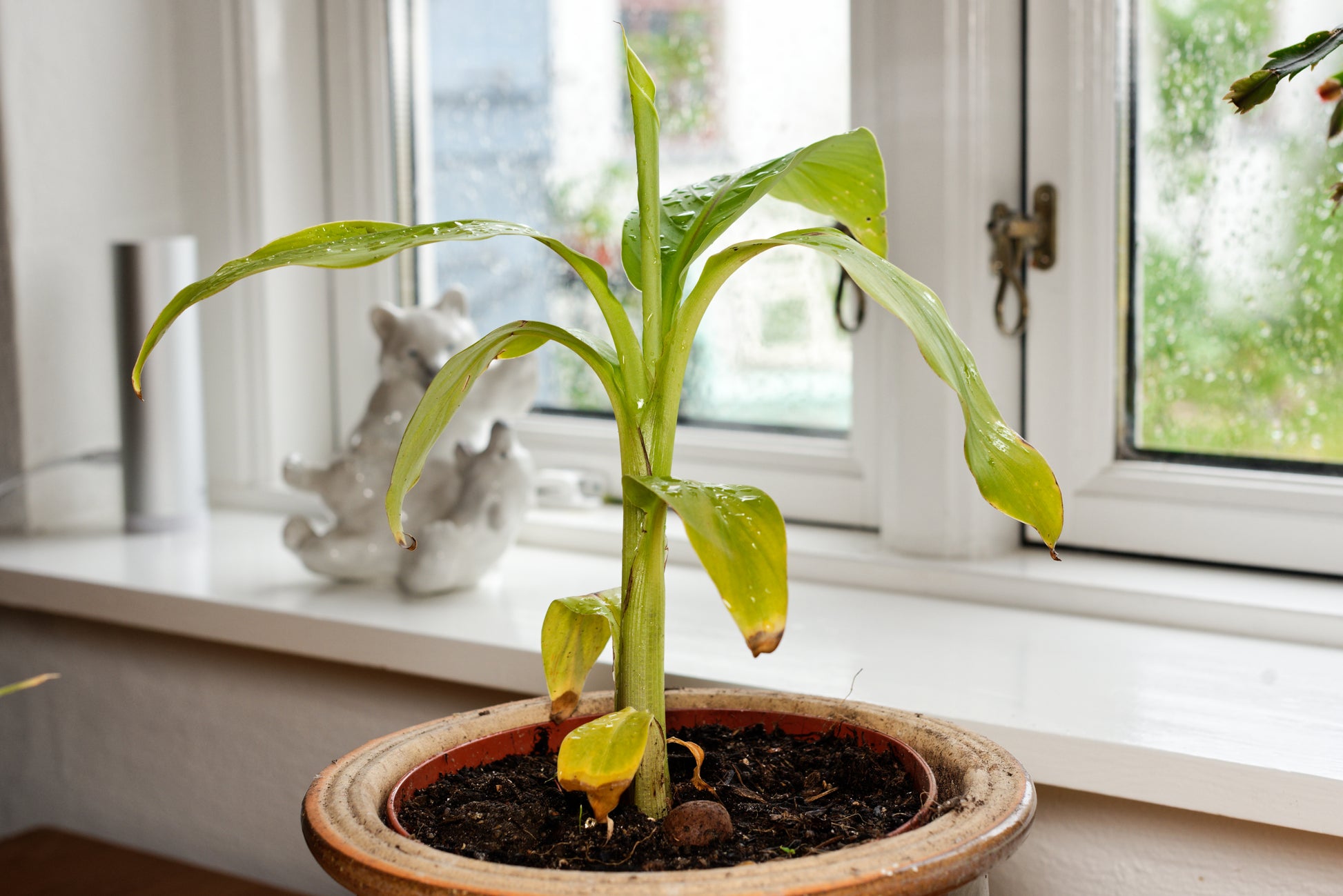
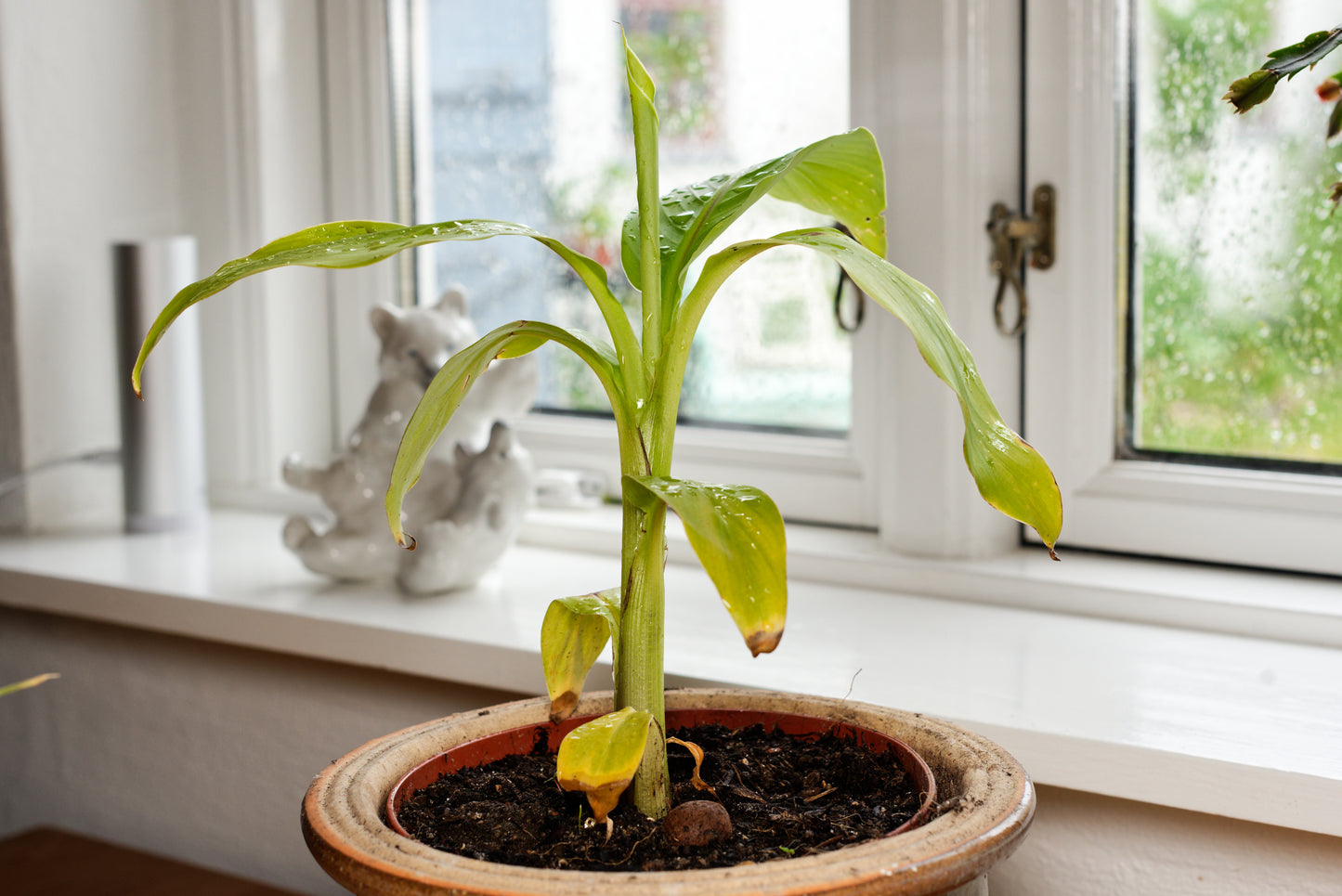
Note: The images are intended as examples of the plant and do not necessarily represent the exact plant being purchased.
Childcare
Childcare
Size
Size
Reaches up to 5 meters (though rarely)
Difficulty level
Difficulty level
Beginner
Note
Note
Can be grown outdoors all year round with good winter protection

ALSO REMEMBER
Organic fertilizer (Tropical) | 500 ml
Del