a Piece of Nature
Loquat (Eriobotrya japonica) | plant
Loquat (Eriobotrya japonica) | plant
Couldn't load pickup availability
- Latin name: Eriobotrya japonica
- Danish names: Japansk mispel, loquat
- English names: Loquat, Japanese medlar, Japanese plum
Eriobotrya japonica, better known as loquat, is a beautiful evergreen fruit tree with large, decorative leaves and delicious orange-yellow fruits. Despite its name, the species originally comes from China, but it has been cultivated in Japan for a very long time and is grown today as both a fruit and ornamental tree in warm and subtropical regions all over the world.
The loquat is particularly interesting for the exotic plant collector because the tree combines an almost tropical appearance with a surprisingly good tolerance for cool temperatures. This makes Eriobotrya japonica an exciting container plant – and in sheltered locations, it can even be experimented with outdoors in Denmark. We have a couple of loquat trees in our own garden in South Funen.
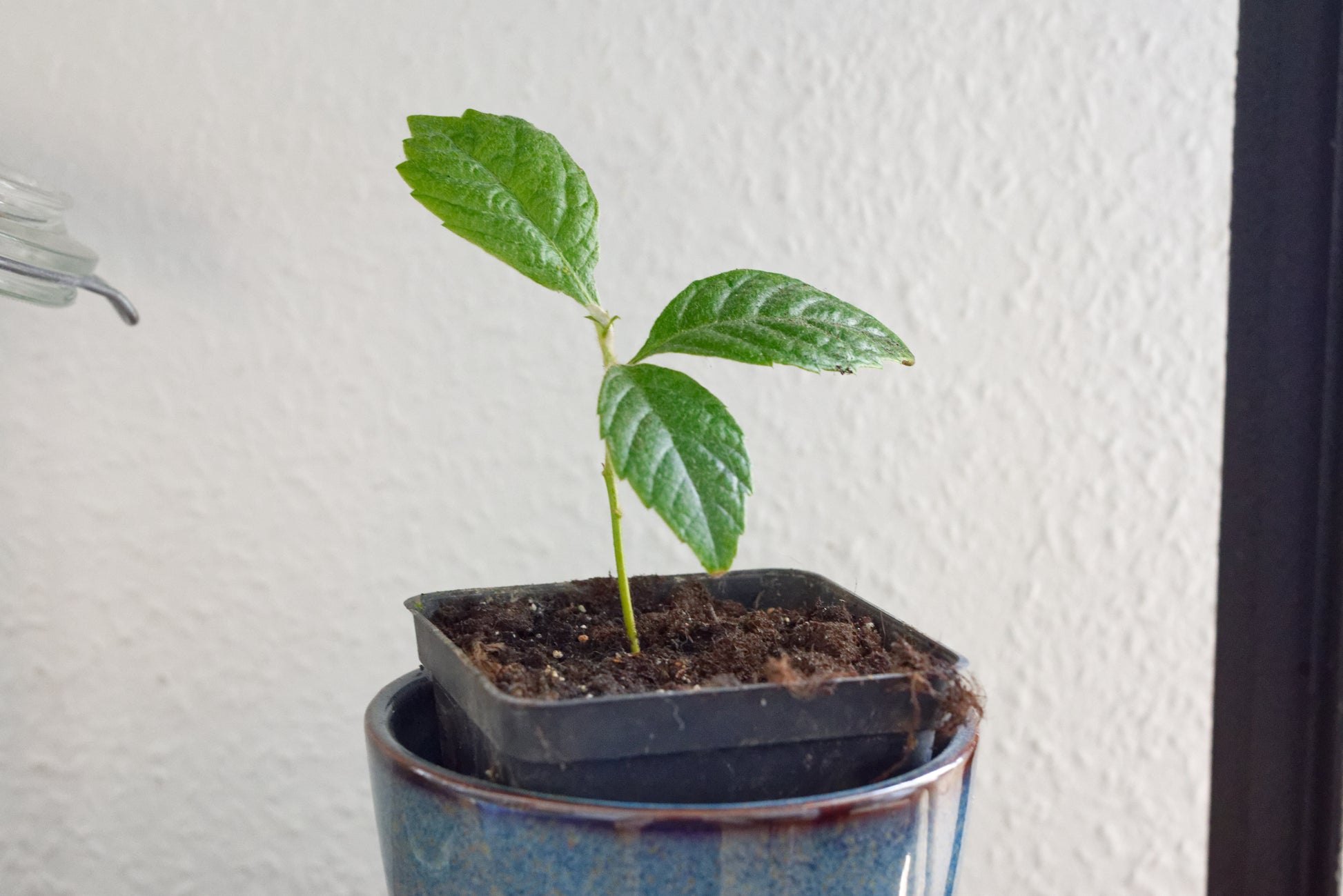
Appearance and growth
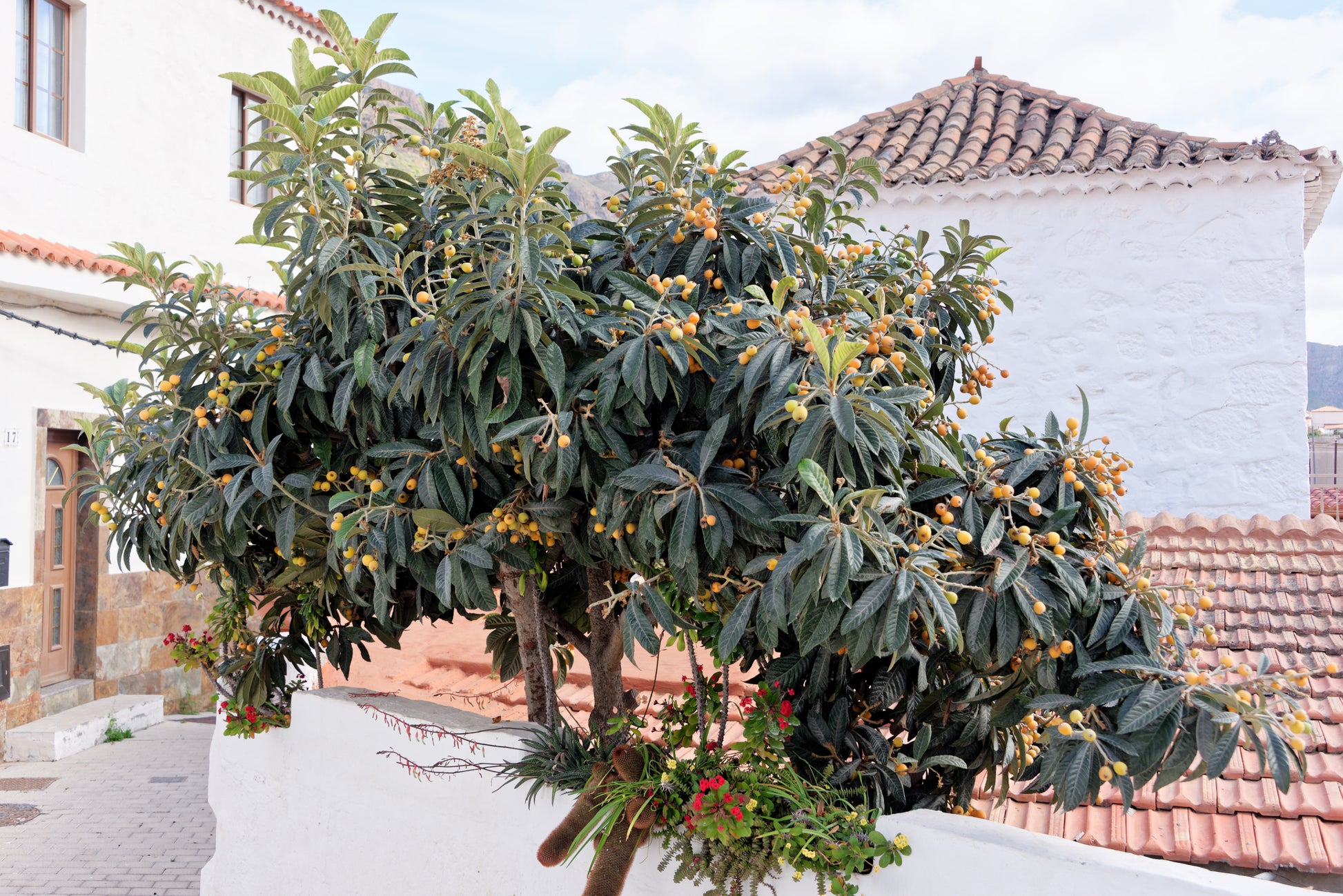
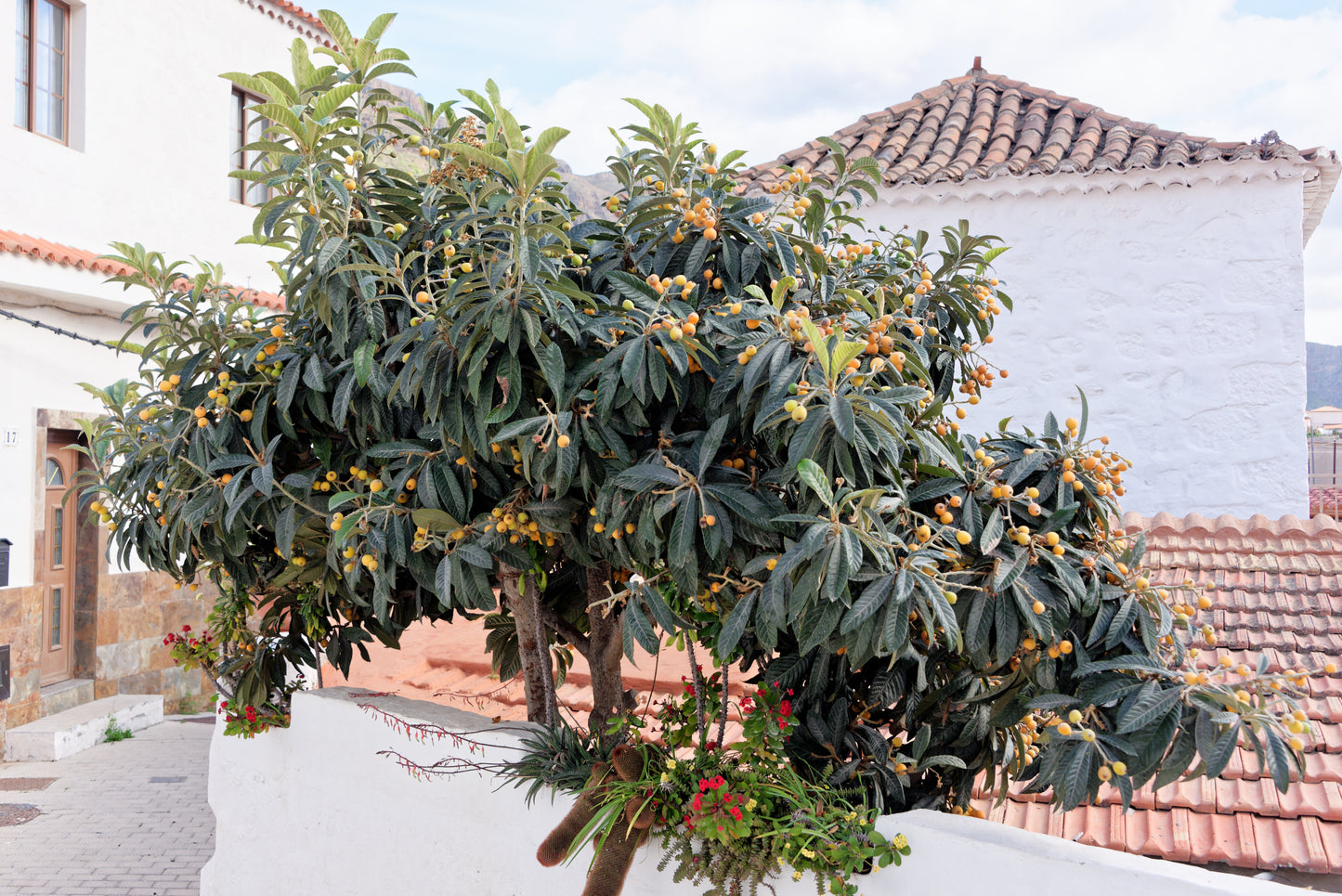
Eriobotrya japonica develops into a large shrub or a small tree with a dense, rounded crown. In warm climates, the tree can reach about 5–10 meters in height, while when grown in a container, it can easily be kept significantly smaller through pruning.
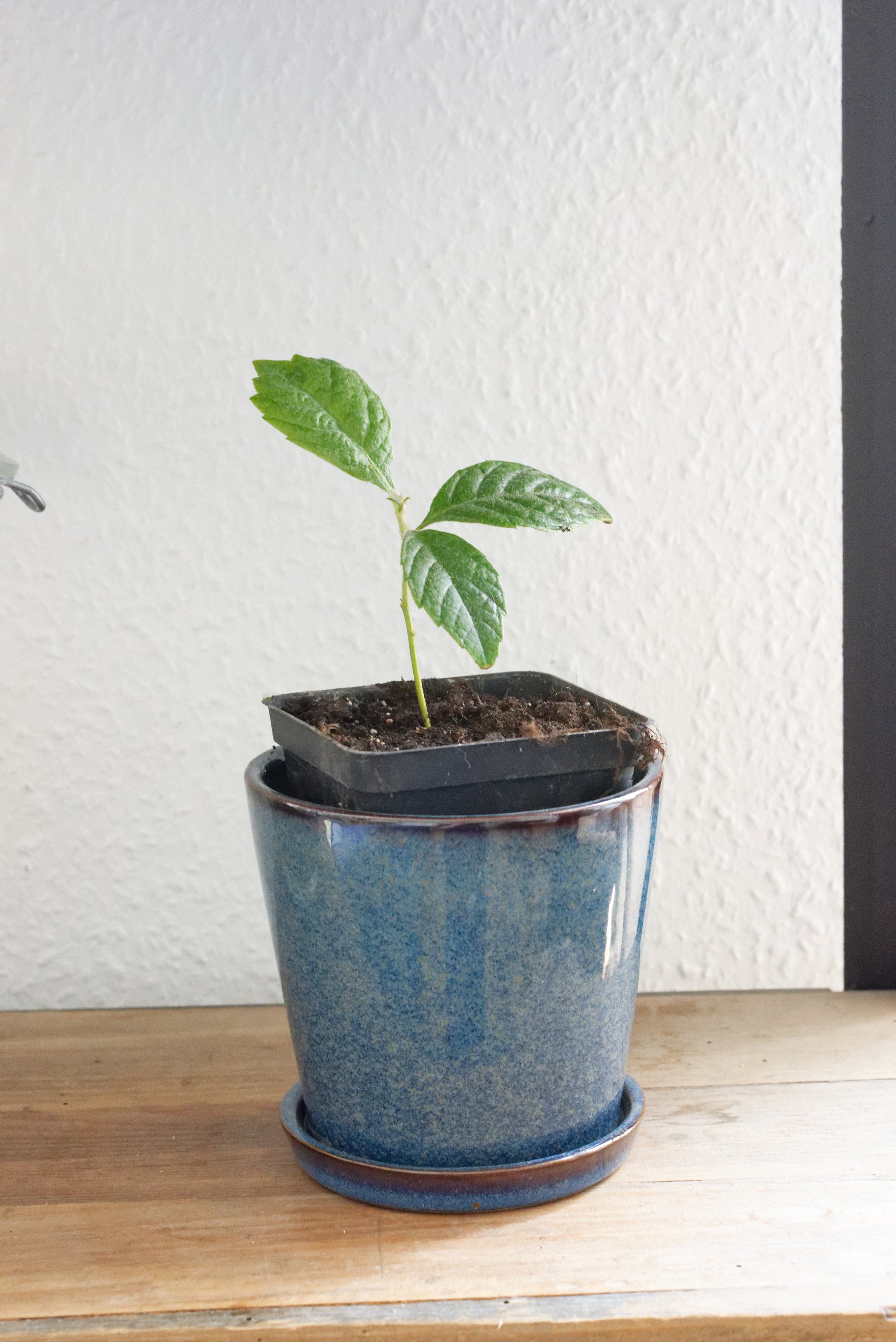
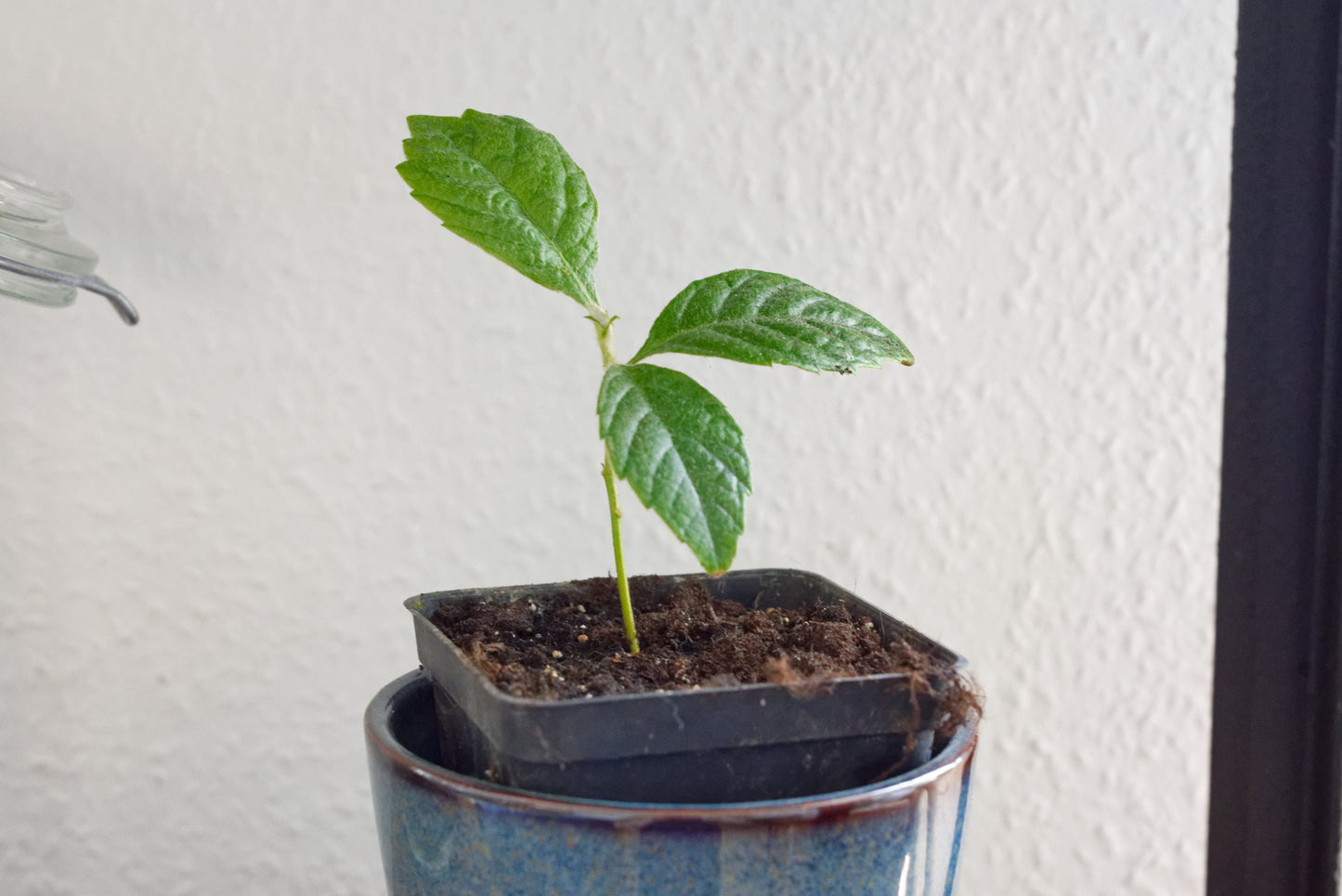
The leaves are a major part of the plant's ornamental value. They are large, leathery, and dark green with distinct leaf veins and a slightly serrated edge. The underside is often covered in a brownish, felt-like hair. The large, sturdy foliage gives the plant a lush and almost subtropical look all year round.
Flowers and loquat fruits
One of the more unusual characteristics of the loquat is its flowering time. Unlike most of our fruit trees, Eriobotrya japonica typically blooms in the autumn and early winter. The flowers grow in clusters and are small, creamy white, and pleasantly fragrant.
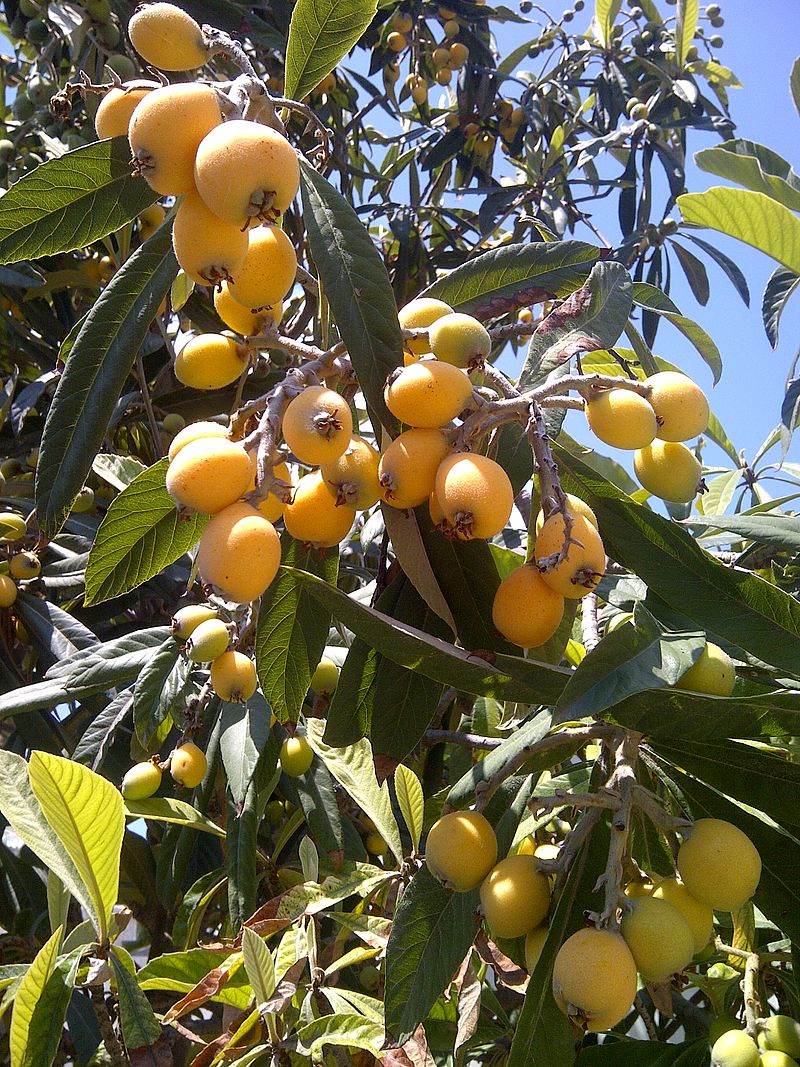
After pollination, the characteristic loquat fruits develop. They are round to oval and ripen to yellow, orange, or orange-yellow. The flesh is juicy and aromatic with a fresh, sweet to slightly tart taste that can be reminiscent of a combination of apricot, peach, and citrus.
The fruits are often eaten fresh directly from the tree, but can also be used for marmalade, jelly, compote, desserts, and baking.
Cultivation and care
- Light: Thrives best in a bright and sunny location. Plenty of light results in a denser plant and is important if you want flowering.
- Temperature: Loquats tolerate significantly more cold than many other exotic fruit trees. An established tree can withstand short periods of frost, but young plants and plants in containers should be well protected.
- Soil: Prefers nutrient-rich and well-drained soil. It is relatively tolerant of different soil types, as long as the roots are not standing in water constantly.
- Watering: Water regularly during the growing season and allow the top layer of soil to dry out slightly between waterings. Plants in containers must not dry out completely.
- Fertilizer: Fertilize regularly throughout the growing season with a balanced fertilizer to support the large leaves and the plant's growth.
- Pruning: Tolerates pruning well and can therefore be kept as a relatively compact tree in a container.
- Overwintering: Container plants overwinter best in a bright, cool, and frost-free place. Water less in winter, but do not let the root ball dry out completely.
Can loquats be grown outdoors in Denmark?
Eriobotrya japonica is one of the more cold-tolerant exotic fruit plants, and larger, established specimens can withstand some frost. It can therefore be exciting to try the plant outdoors in a very warm and sheltered location, for example against a south-facing wall and in well-drained soil.
The biggest challenge in Denmark is not necessarily just the tree's winter hardiness. Since loquats bloom late in the year, frost can destroy flowers and young fruits. It is therefore much easier to get the plant to survive outdoors than to get regular fruit sets under Danish conditions.
If you want the best opportunities for both flowers and fruits, cultivation in a large container, conservatory, or a cool greenhouse is a good choice.
Eriobotrya japonica is an exciting combination of exotic fruit tree and decorative evergreen plant. The large leaves provide a tropical look, while the relatively good cold tolerance makes the loquat particularly interesting for the adventurous plant enthusiast in Denmark.
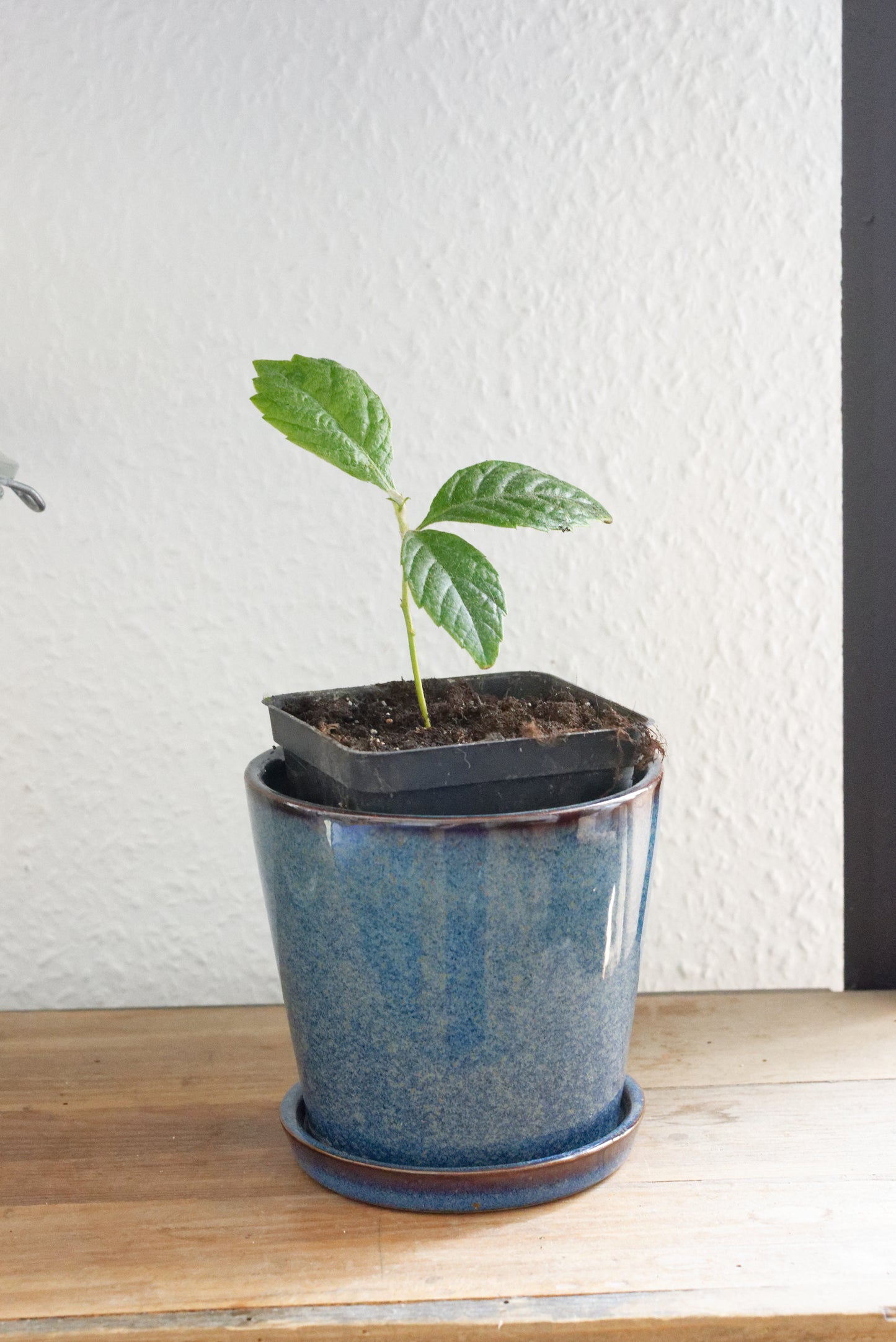
Note: The images are meant as examples of the plant and do not necessarily represent the exact plant being purchased.
Childcare
Childcare
Size
Size
3-4 meters
Difficulty level
Difficulty level
Beginner
Note
Note
Exclusive pot

ALSO REMEMBER
Organic fertilizer (Tropical) | 500 ml
Del