Buy 4 packs of seeds (or more) and get a 10% discount


a Piece of Nature
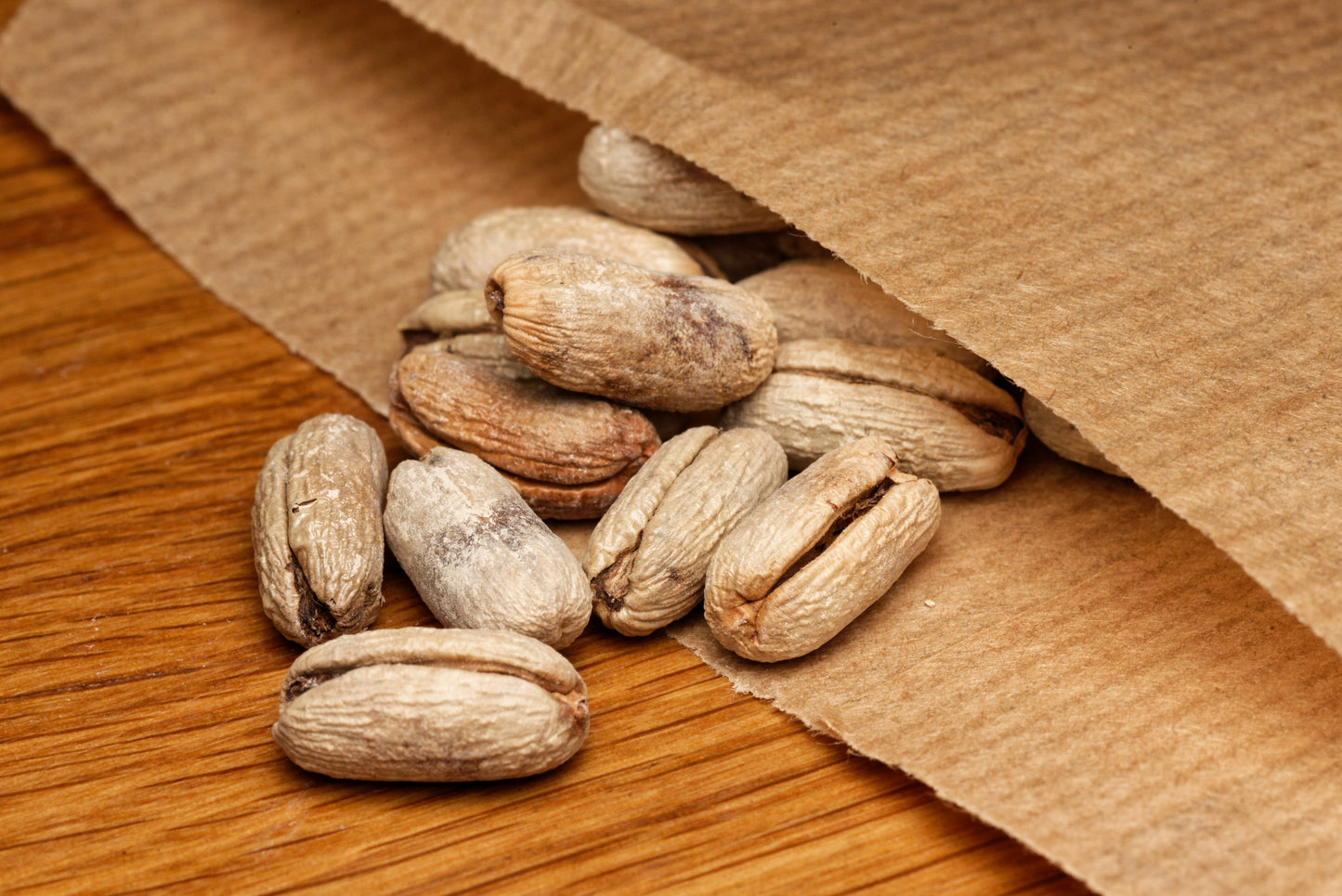
Cliff date palm (Phoenix rupicola) | seeds, 10 pcs.
Cliff date palm (Phoenix rupicola) | seeds, 10 pcs.
Couldn't load pickup availability
TOLERATES LIGHT FROST
- Latin name: Phoenix rupicola
-
Danish names: Klippe daddelpalme
-
English names: Cliff date palm
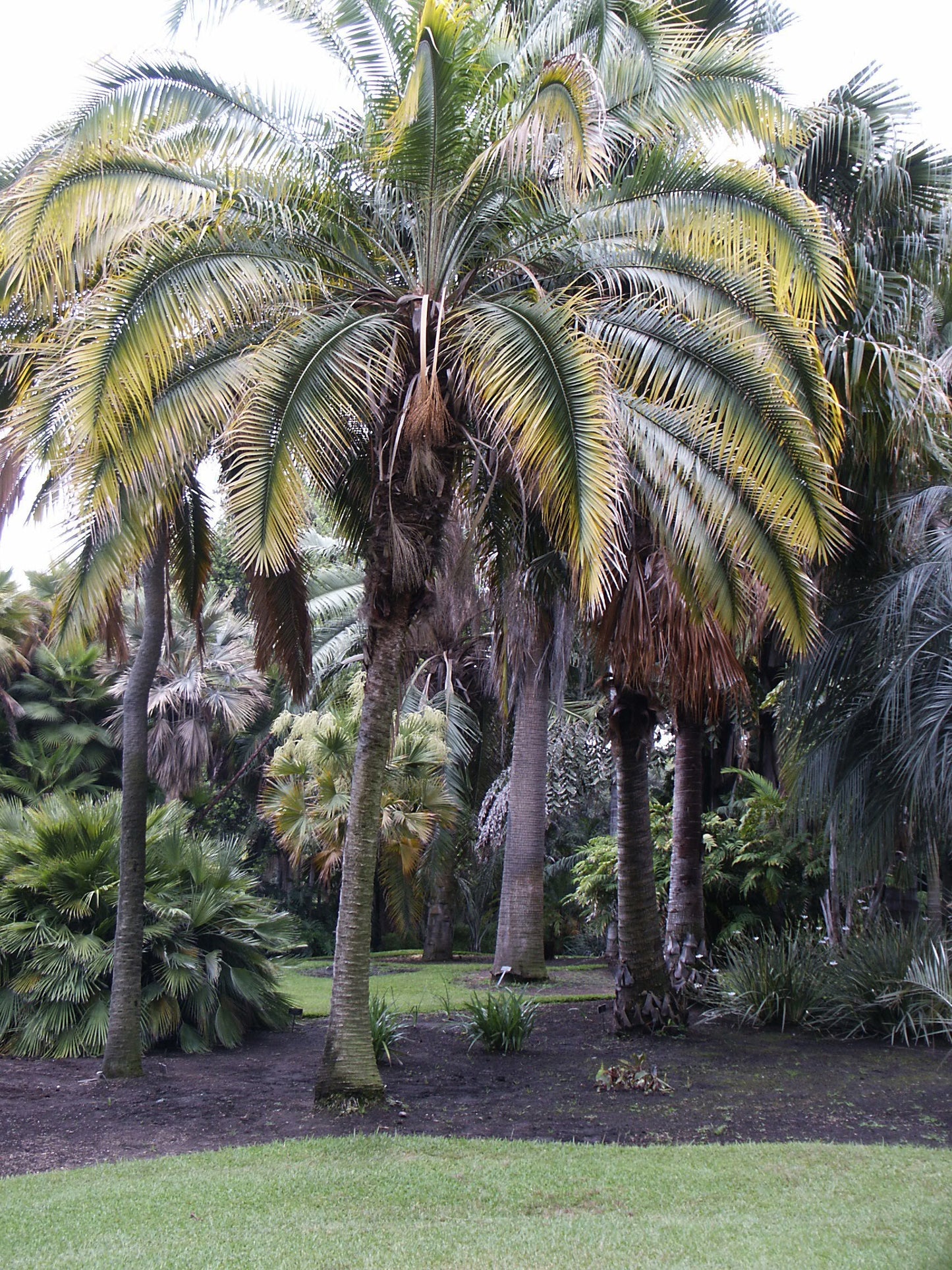
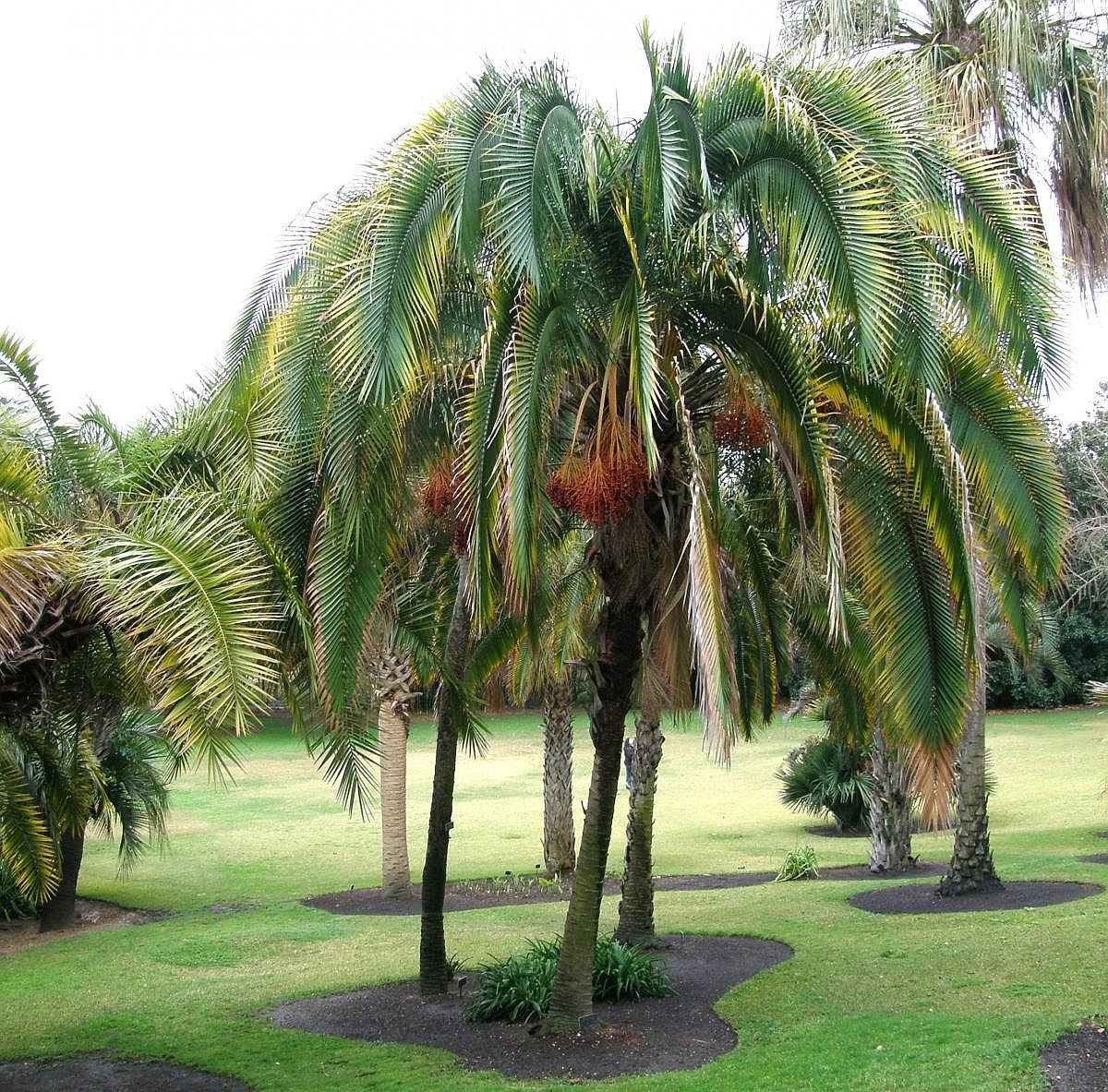
Phoenix rupicola is a slender and elegant palm from the Himalayan region, where it grows in mountainous areas in countries including India, Nepal, and Bhutan. The species is known for its more refined and light appearance compared to many other date palms and is often considered one of the most elegant species in the genus.
The palm develops a relatively slender trunk and long, arched, pinnate leaves, which provide a soft and tropical look. Compared to Phoenix canariensis and Phoenix dactylifera, Phoenix rupicola has a finer and airier growth habit with narrower leaves and a less massive appearance.
In nature, it often grows on rocky slopes and well-drained areas, which reflects its need for good drainage in cultivation.
Cultivation and requirements
Phoenix rupicola thrives best in full sun to light shade and prefers:
- well-drained, preferably sandy or slightly mineral-rich soil
- even watering during the growing season
- good air circulation
For container cultivation, a well-drained palm or Mediterranean potting mix is suitable, preferably with a high mineral content. During the growing season, it is beneficial to supplement with a mild, organic fertilizer to support healthy leaf development.
The species is not fully hardy in Denmark, but as an older plant, it can tolerate brief periods of light frost. It is best grown as a container plant, where it can be kept outdoors during the summer months and overwintered in a bright, frost-free location.
It is generally less tolerant of cold and moisture than some other Phoenix species and should therefore be protected against cold and wet winter conditions.
Cultivation from seeds
Seeds of Phoenix rupicola germinate best in warm conditions. For best results, we recommend:
- soaking in lukewarm water for 24–48 hours
- sowing in a well-drained and slightly moist soil mix
- a temperature of 25–30 °C
- keeping the soil evenly moist, but not wet
Germination typically occurs within 3–8 weeks, but it may take longer. The young plants first develop simple leaves before later forming the characteristic pinnate palm leaves.
Use and collector value
Phoenix rupicola is primarily grown as an ornamental and collector's palm. It is particularly valued for its elegant growth and more refined appearance compared to the more robust date palms.
For palm enthusiasts, it is an obvious supplement to better-known species like Phoenix canariensis, as it adds a lighter and more exotic touch to the collection. See also our entire collection of palm seeds.
Phoenix rupicola is an obvious choice for the plant enthusiast who wishes to grow an elegant and slightly rarer palm from seed – a species with fine structure, a tropical look, and high collector value.
- Feel free to read our article on germination of palm seeds
Seed germination
Seed germination
Childcare
Childcare
Size
Size
Up to 8 meters
Difficulty level
Difficulty level
Beginner
NB
NB