Buy 4 packs of seeds (or more) and get a 10% discount
a Piece of Nature
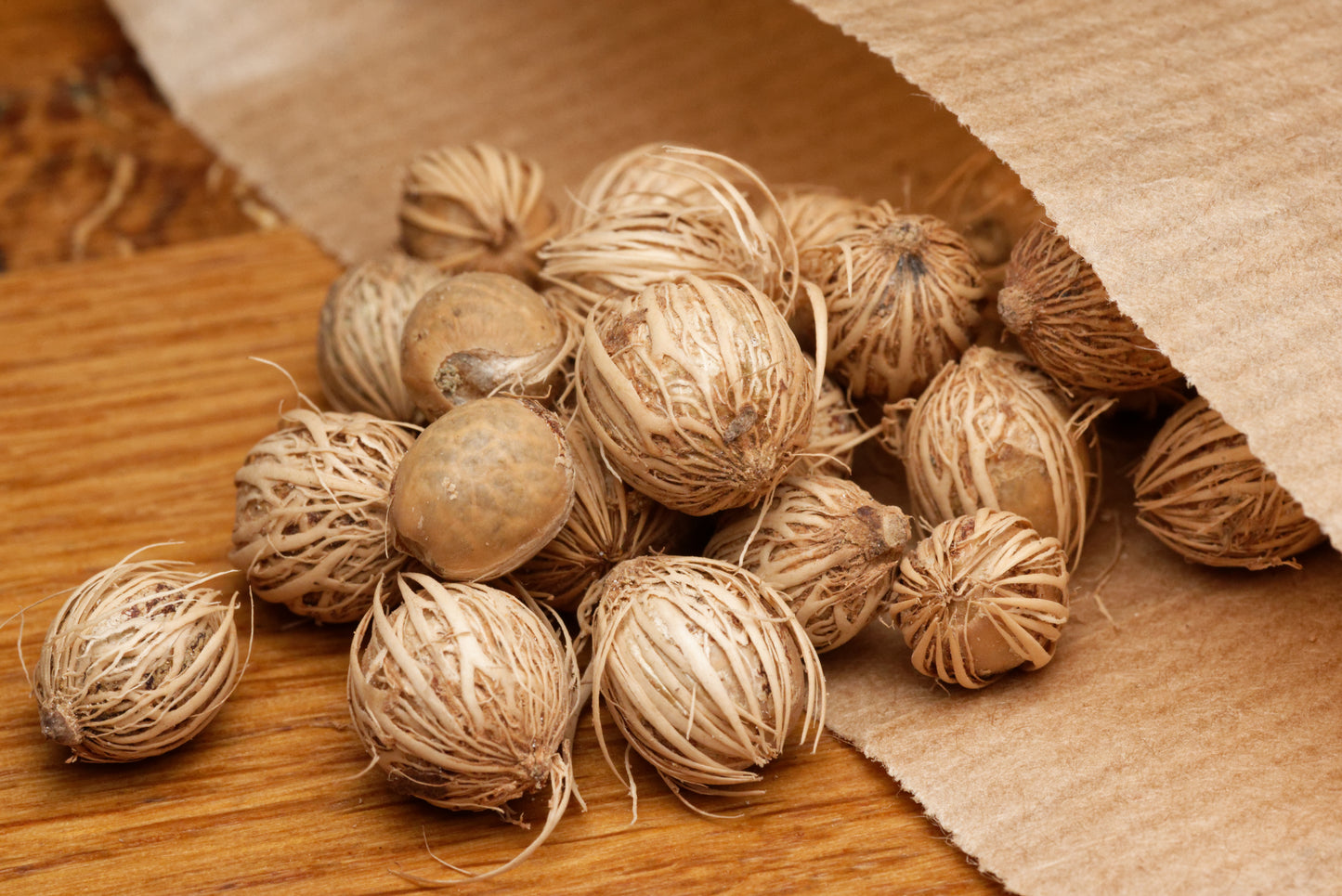
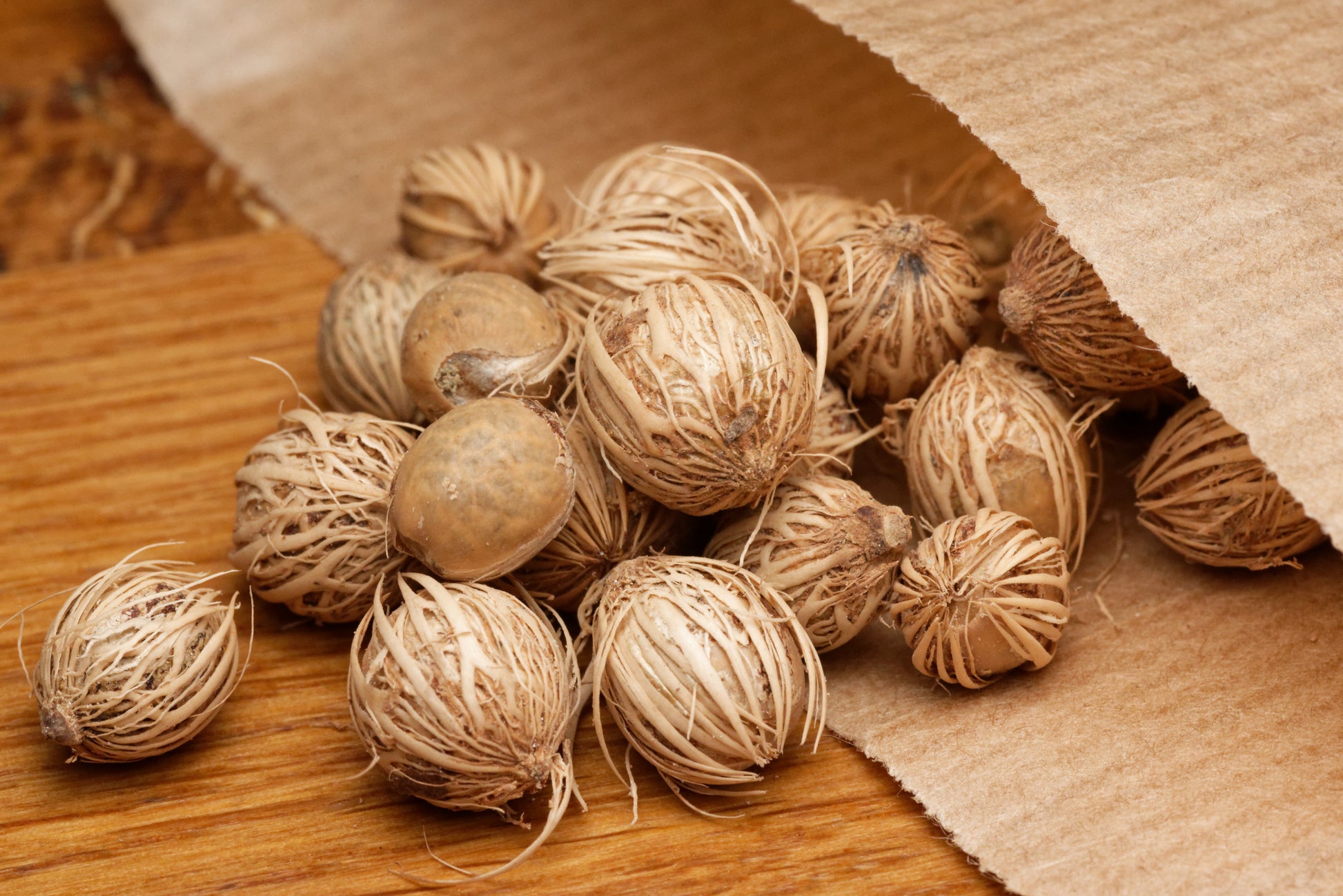
Alexandra palm (Archontophoenix alexandrae) | seeds, 10 pcs.
Alexandra palm (Archontophoenix alexandrae) | seeds, 10 pcs.
Couldn't load pickup availability
- Latin name: Archontophoenix alexandrae
- Danish names: Alexanderpalme, Alexandrapalme
- English names: Alexander palm, Alexandra palm, King Alexander palm
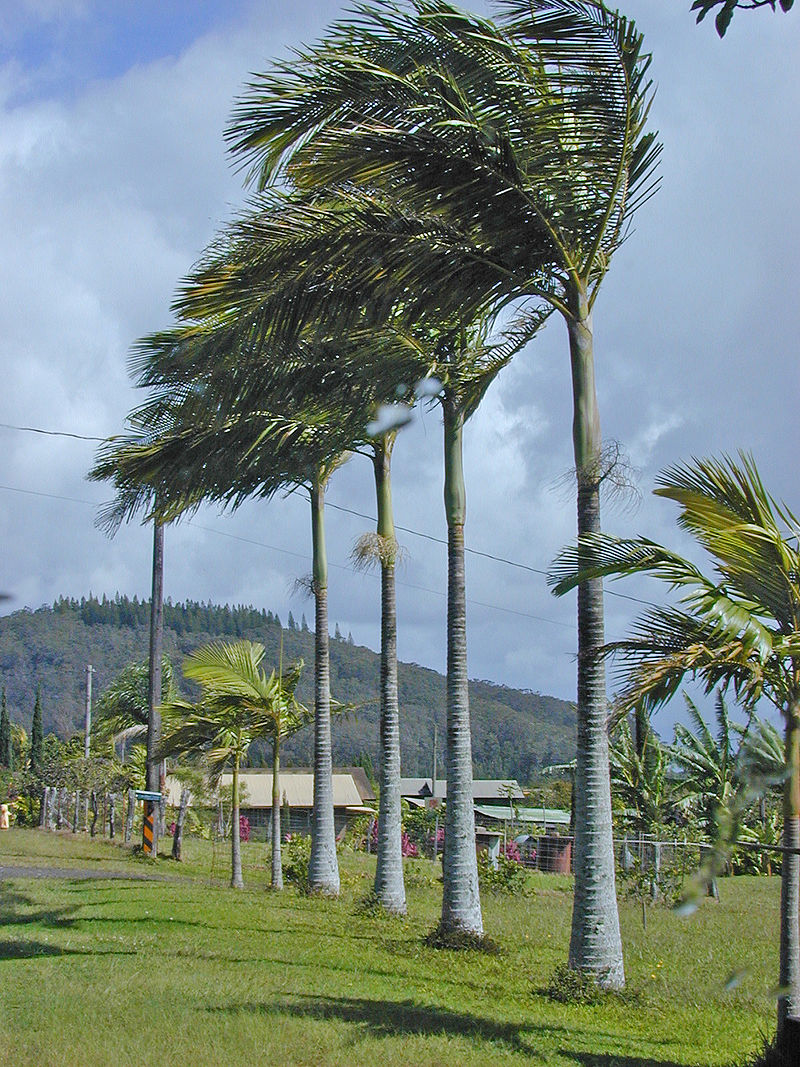
Archontophoenix alexandrae is an elegant and relatively fast-growing palm from the tropical and subtropical rainforests of Australia. The species is particularly known for its tall, slender trunk, the light green crownshaft, and its long, beautifully arching, feathery fronds. A distinct characteristic is the underside of the leaves, which has a signature silvery-gray sheen that becomes visible when the leaves sway in the wind.
The palm originates from northeastern and eastern Queensland in Australia, where it grows in humid rainforests, along watercourses, and in low-lying forest areas. It often occurs in places with good access to water and is naturally adapted to a warm climate with ample rainfall. Unlike many palms from arid regions, the Alexander palm therefore thrives best with relatively consistent soil moisture.
In the wild, Archontophoenix alexandrae can reach 20-25 meters in height and develops a single, slender trunk with distinct ring-shaped leaf scars. The smooth, green crownshaft forms a striking transition between the trunk and the leafy crown. When the palm is old enough to flower, large, branched inflorescences develop below the crownshaft, followed by small, red fruits that are eaten by birds, among others.
The species is closely related to Archontophoenix cunninghamiana, which also originates from eastern Australia. The two species resemble each other, but Archontophoenix alexandrae is distinguished particularly by its clearly silvery leaf undersides, whereas Archontophoenix cunninghamiana usually has greener leaf undersides. The latter is also generally more tolerant of cool conditions.
The Alexander palm has become a popular ornamental palm in tropical and subtropical gardens worldwide. Its relatively fast growth and elegant, upright form make it particularly suitable where one desires a tall palm without the very massive trunk that characterizes many other palm species.
If you are fascinated by palms, you can explore our entire selection of palm seeds, where you will find both classic and more unusual palm species from different parts of the world.
Cultivation and requirements
Archontophoenix alexandrae is a relatively fast-growing palm that thrives best under warm, bright, and humid conditions. It prefers:
- A bright location with filtered sun or partial shade when young
- A nutrient-rich, airy, and well-drained soil
- Regular watering and consistent soil moisture
- Moderate to high humidity
- Temperatures around 20-30 °C during the growing season
- Bright and frost-free overwintering, preferably above 10-12 °C
Older and well-established plants can tolerate more direct sun than young specimens, but the soil should not dry out completely for long periods. The palm is adapted to humid habitats and therefore has a higher water requirement than, for example, date palms and other palms from arid regions.
The species can tolerate short periods of cooler temperatures but is not reliably frost-hardy. In Danish conditions, it is best grown in a pot, where it can be kept outdoors in a warm and sheltered location during the summer and overwinter in a bright, frost-free area.
Cultivation from seed
Seeds of Archontophoenix alexandrae germinate best under warm and consistently moist conditions. Remove any remaining fruit pulp and soak the seeds in lukewarm water for 24-48 hours before sowing.
- Sow in an airy and well-drained sowing medium (alternatively, the bag germination method can be used)
- Cover the seeds lightly with approximately 1 cm of sowing medium
- Maintain a temperature of around 25-30 °C
- Keep the sowing medium consistently moist, but not waterlogged
- The seeds do not require cold stratification
Under good conditions, germination can begin after a few weeks, but it can also take several months. The freshness of the seeds and a stable temperature are very important for the germination result.
Young plants should be grown in a bright and warm location but protected from harsh direct sun. The Alexander palm develops a good root system early on, so it may be advantageous to use deep palm pots that provide space for root development.
See also our article on germinating palm seeds.
Utility and collector value
Archontophoenix alexandrae is primarily grown as an ornamental palm and is especially valued for its elegant growth habit, relatively rapid development, and beautiful, silvery leaf undersides. It is one of the characteristic palms of Australia's eastern rainforests and has gained widespread popularity in tropical gardens and botanical collections.
An interesting feature of the species is its affinity for humid forest areas and watercourses. In nature, the palm is part of the rainforest vegetation, where its fruits provide a food source for various birds. The fruits can thus contribute to the dispersal of seeds to new growth locations.
Compared to many slow-growing tropical palms, the Alexander palm develops relatively quickly under good conditions. This makes it interesting for palm enthusiasts who want to follow clear development from seed to an increasingly larger plant with characteristic feathery fronds.
Although the species is commonly grown as an ornamental palm in warm regions, it remains an exciting addition to a Danish palm collection. Its slender growth habit and silvery leaf undersides provide a different aesthetic than both the sturdy date palms and the more compact tropical fan palms.
Archontophoenix alexandrae is therefore an obvious choice for anyone wishing to grow an elegant Australian rainforest palm from seed and who has the ability to provide warmth, light, and regular watering.
Seed germination
Seed germination
Childcare
Childcare
Size
Size
Up to 30 meters
Difficulty level
Difficulty level
Between
NB
NB
Winter storage is best at temperatures above 10°C.