Buy 4 packs of seeds (or more) and get a 10% discount
a Piece of Nature
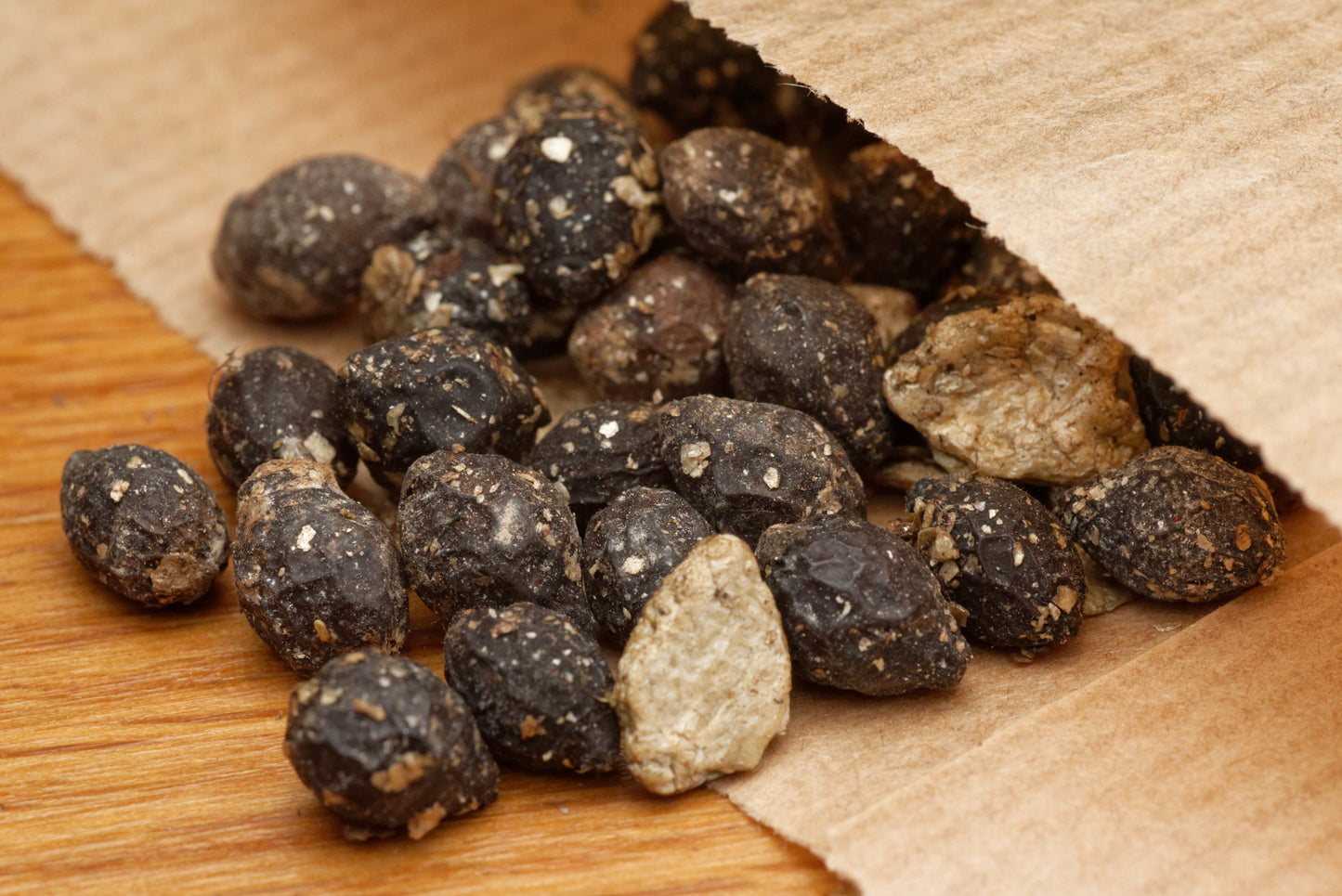
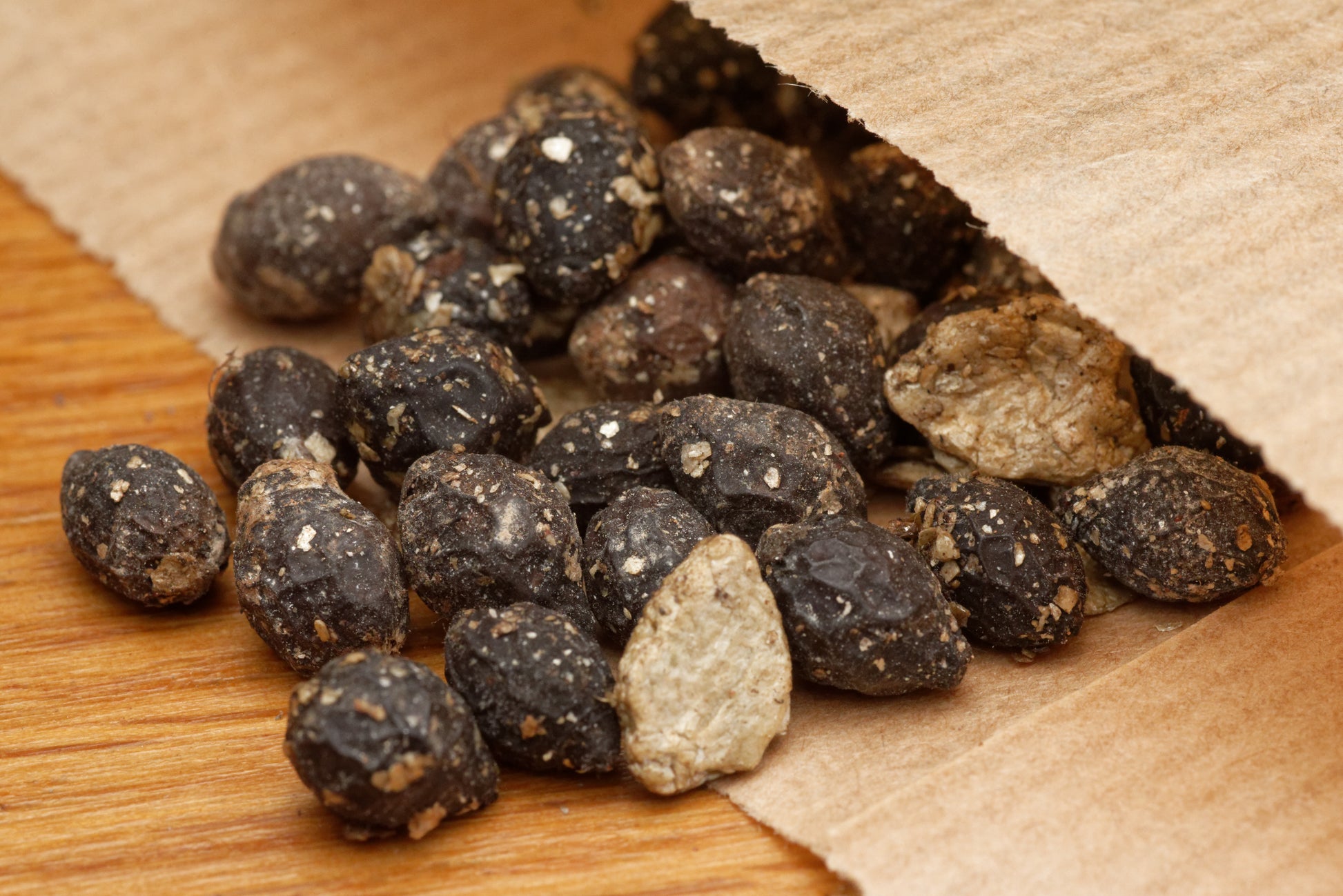
Lipstick Palm (Cyrtostachys renda) | seeds, 10 pcs.
Lipstick Palm (Cyrtostachys renda) | seeds, 10 pcs.
Couldn't load pickup availability
- Latin name: Cyrtostachys renda
- Danish names: Læbestiftpalme, rød vokspalme
- English names: Lipstick palm, Red sealing wax palm, Sealing wax palm
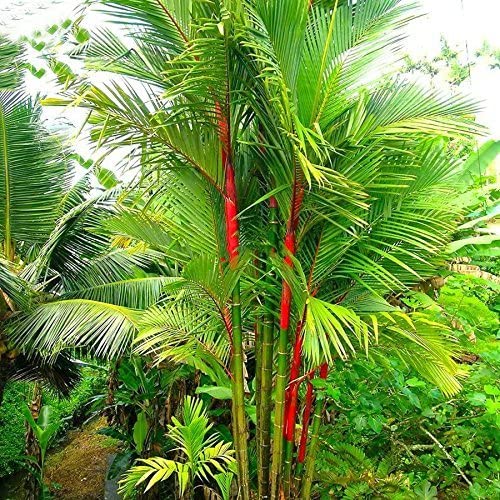
Cyrtostachys renda is one of the most colorful and distinctive tropical palms. The species is particularly known for its intensely red leaf sheaths and petioles, which stand in beautiful contrast to the slender green trunks and elegant, feathery leaves. This unusual color combination has given the palm its English name, "Lipstick Palm," and made it a sought-after ornamental plant among collectors of exotic palms.
The species originates from Southeast Asia, where it occurs naturally in southern Thailand, the Malay Peninsula, and on Sumatra and Borneo. Here, it grows primarily in low-lying tropical swamp forests and peat swamps, often in coastal areas with constantly high humidity and moist soil. Unlike many other palms, Cyrtostachys renda is therefore naturally adapted to very wet growing conditions.
The palm develops multiple slender trunks from the base and eventually forms dense clusters. In nature, it can grow to 10-15 meters tall or more, but in pots, growth will usually be considerably more limited. The long, feathery leaves form a relatively upright crown, while the red leaf sheaths enclose the upper part of the trunks, creating the palm's characteristic vivid color.
The strong red color is a special trademark of this particular species. Within the genus Cyrtostachys, there are several other palm species, but none of them have the same characteristic combination of bright red leaf sheaths and petioles. The species was previously known by the name Cyrtostachys lakka, which is today considered a synonym for Cyrtostachys renda.
An interesting detail is that the palm's English name, "Sealing Wax Palm," refers to the strong red color, which resembles traditional red sealing wax. The color is a natural part of the plant and not the result of staining or any special treatment.
If you are fascinated by unusual palms, you can explore our entire selection of palm seeds, where you will find both classic palm species and rarer tropical collector plants.
Cultivation and requirements
Cyrtostachys renda is a strictly tropical palm that requires heat and high humidity year-round. It prefers:
- A bright location with filtered sunlight or partial shade
- A nutrient-rich and moisture-retentive soil
- Constant, even soil moisture without drying out
- High humidity, preferably around 70-80% or higher
- Temperatures around 25-32 °C during the growing season
- Warm overwintering, preferably above 20 °C
The Lipstick Palm differs from many other palms in its tolerance for very moist soil. In nature, it often grows in waterlogged sites, and it should therefore not be allowed to dry out between waterings. However, when growing in pots, it is still important to use an airy substrate so that the roots are not damaged by oxygen-poor conditions.
The species is very cold-sensitive and cannot tolerate frost or prolonged periods of low temperatures. In Danish conditions, it is best suited for a heated conservatory, a tropical greenhouse, or a warm and humid indoor plant environment. Regular dry room air can be a challenge, especially in the winter months.
Cultivation from seeds
Seeds of Cyrtostachys renda germinate best under constant heat and high humidity. Fresh seeds are an advantage, as palm seeds can generally lose their viability during long-term storage. It is beneficial to soak the seeds in lukewarm water for 24-48 hours before sowing.
- Sow in an airy and moisture-retentive sowing medium, such as coconut coir mixed with perlite (alternatively, the bag germination method can be used)
- Cover the seeds lightly with approximately 0.5-1 cm of sowing medium
- Keep the temperature stable around 28-32 °C
- Keep the sowing medium constantly moist, but ensure sufficient air around the seeds
- The seeds do not require cold stratification
Germination can be slow and irregular, taking anywhere from several weeks to several months. Stable bottom heat can be an advantage, and sowing efforts should not be given up on too early.
The young plants are particularly sensitive to drying out and low temperatures. After germination, they should therefore continue to be grown in warm, humid conditions and protected from strong direct sun. When repotting, it is advantageous to use tall palm pots that provide space for root development.
See also our article on germinating palm seeds.
Utility and collector value
Cyrtostachys renda is primarily grown as an ornamental and collector's palm. The intensely red leaf sheaths make it one of the most recognizable palms in tropical plant collections, where it is especially valued for the contrast between the red and green parts of the plant.
In its natural range, the palm has also had a few traditional uses. The trunks have been used as building material and for flooring, among other things, while the leaves have been used for roofing. However, it is primarily as an ornamental plant that the species has gained international attention.
For palm collectors, Cyrtostachys renda is particularly interesting because it has completely different requirements than many of the more common palms. While, for example, date palms and several Mediterranean palms prefer sunny and relatively dry conditions, the Lipstick Palm requires a warm, humid, and almost constantly tropical environment.
It is therefore especially suitable for the experienced plant enthusiast who has the ability to provide stable tropical growing conditions. With the right care, it can eventually develop into an impressive cluster of slender trunks with the characteristic red leaf sheaths that make the species quite special.
Cyrtostachys renda is an exciting choice for the dedicated palm collector who wants to grow an unusual tropical palm from seed and follow the development of one of the palm world's most characteristic colors.
Seed germination
Seed germination
Childcare
Childcare
Size
Size
Up to 10 meters high
Difficulty level
Difficulty level
Beginner
NB
NB
Incredibly beautiful with its red trunk