a Piece of Nature
Macadamia nut (Macadamia integrifolia) | plant
Macadamia nut (Macadamia integrifolia) | plant
Couldn't load pickup availability
- Latin name: Macadamia integrifolia
- Danish names: Macadamia, macadamianød, queenslandnød
- English names: Macadamia nut, smooth-shell macadamia, Queensland nut
Macadamia integrifolia is the true macadamia tree – a subtropical, evergreen tree cultivated for its famous macadamia nuts. The species is originally native to the rainforest regions of eastern Australia, particularly Queensland and New South Wales, but is now grown in warm regions all over the world.
Macadamia is an exciting plant for anyone who enjoys exotic fruit and utility plants. Although the Danish climate does not allow for year-round outdoor cultivation, Macadamia integrifolia can easily be grown as a container plant and overwintered frost-free.
Appearance and growth
Macadamia integrifolia is an evergreen tree with dense, glossy, dark green leaves. New shoots may have a bronze or reddish tinge before the leaves turn green.
In nature, the tree can grow more than 10 meters tall, but when grown in a container, its size can be limited significantly through pruning and pot size.
Older plants develop long clusters of small white to cream-colored flowers. After pollination, the flowers can develop into green, spherical fruits containing the well-known macadamia nut. The nut is surrounded by an unusually hard shell that protects the light, oily kernel.
Macadamia nuts
Macadamia integrifolia is one of the most important species in the commercial production of macadamia nuts. The kernels have a mild, creamy, and slightly sweet flavor and a high oil content.
Macadamia nuts are eaten both raw and roasted and are used in, among other things, baked goods, desserts, chocolate, and various confectionery products. Furthermore, macadamia oil is extracted from the nuts.
It can take several years before a seed-grown macadamia tree becomes large enough to flower and produce nuts. At the same time, seed-grown plants are genetically different from the parent plant, so fruit quality and yield can vary.
Cultivation and care
- Light: Thrives best in a very bright location, preferably with several hours of direct sunlight. Young plants can benefit from being gradually acclimated to strong sunlight.
- Temperature: Prefers warm conditions and thrives best at around 20–30 °C during the growing season. The plant should be protected from frost.
- Soil: Well-drained, nutrient-rich, and preferably slightly acidic soil. Good drainage is important, as the roots do not like to stand in wet conditions constantly. Good drainage can be achieved by adding perlite or pumice.
- Watering: Water regularly during the growing season. The soil should be slightly moist, but not waterlogged. Allow the top layer of soil to dry slightly between waterings.
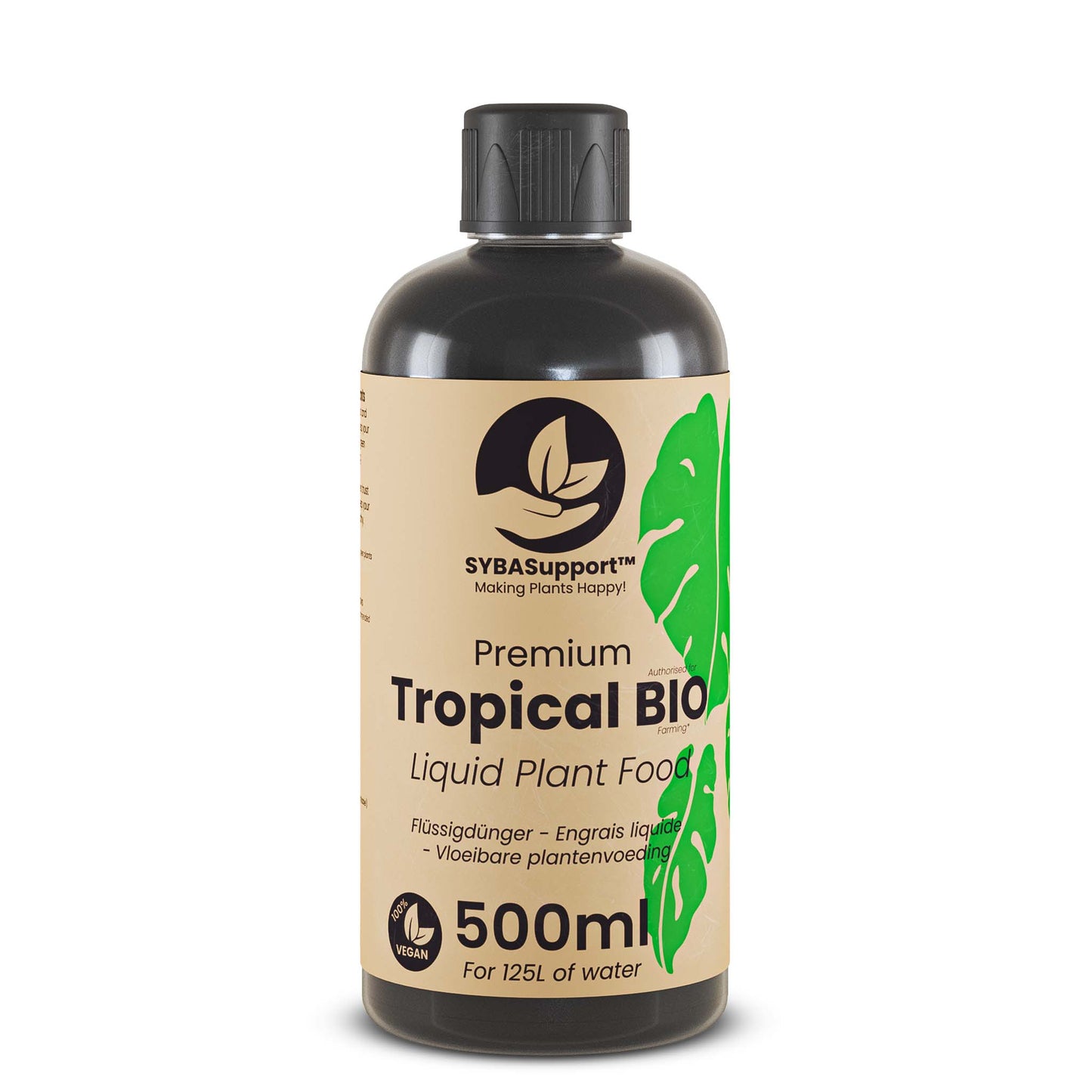
- Fertilizer: Fertilize regularly during the growing season with a good organic fertilizer. Macadamia is sensitive to very high concentrations of phosphorus, so a moderate and balanced fertilizer is preferable.
- Pruning: Can be pruned to keep the plant more compact and promote denser branching.
- Overwintering: In Denmark, macadamia is best grown in a container so the plant can be moved to a bright and frost-free place in winter. Water less during the cool and dark part of the year.
An exotic utility plant with an exciting history
There is something special about growing the plant behind a nut that most people only know from the supermarket. Macadamia integrifolia is also a decorative, evergreen tree that, with its glossy leaves, works well as an exotic container plant, even long before it potentially reaches the age where it can flower.
Macadamia integrifolia is therefore an exciting plant for collectors of exotic fruit trees, edible plants, and rarer utility plants. See also our entire collection of exotic plants.
Childcare
Childcare
Size
Size
Up to 10 meters
Difficulty level
Difficulty level
Between
Note
Note
Exclusive pot


ALSO REMEMBER
Organic fertilizer (Tropical) | 500 ml
Del