Buy 4 packs of seeds (or more) and get a 10% discount


a Piece of Nature
Welwitschia (Welwitschia mirabilis) | seeds, 5 pcs.
Welwitschia (Welwitschia mirabilis) | seeds, 5 pcs.
Couldn't load pickup availability
EXTREMELY RARE
- Latin name: Welwitschia mirabilis
- Danish names: Ørkenblad
- English names: Welwitschia, tree tumbo
- NOTE: Unfortunately, there is no guarantee of germination
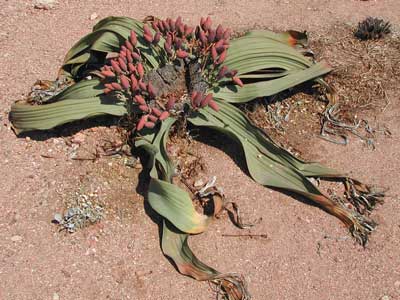
Welwitschia mirabilis is one of the world’s most unique and fascinating plants – often referred to as a living fossil. It is found naturally only in the desolate deserts of Namibia and southern Angola, where it can survive under extreme conditions with minimal rainfall and scorching sun.
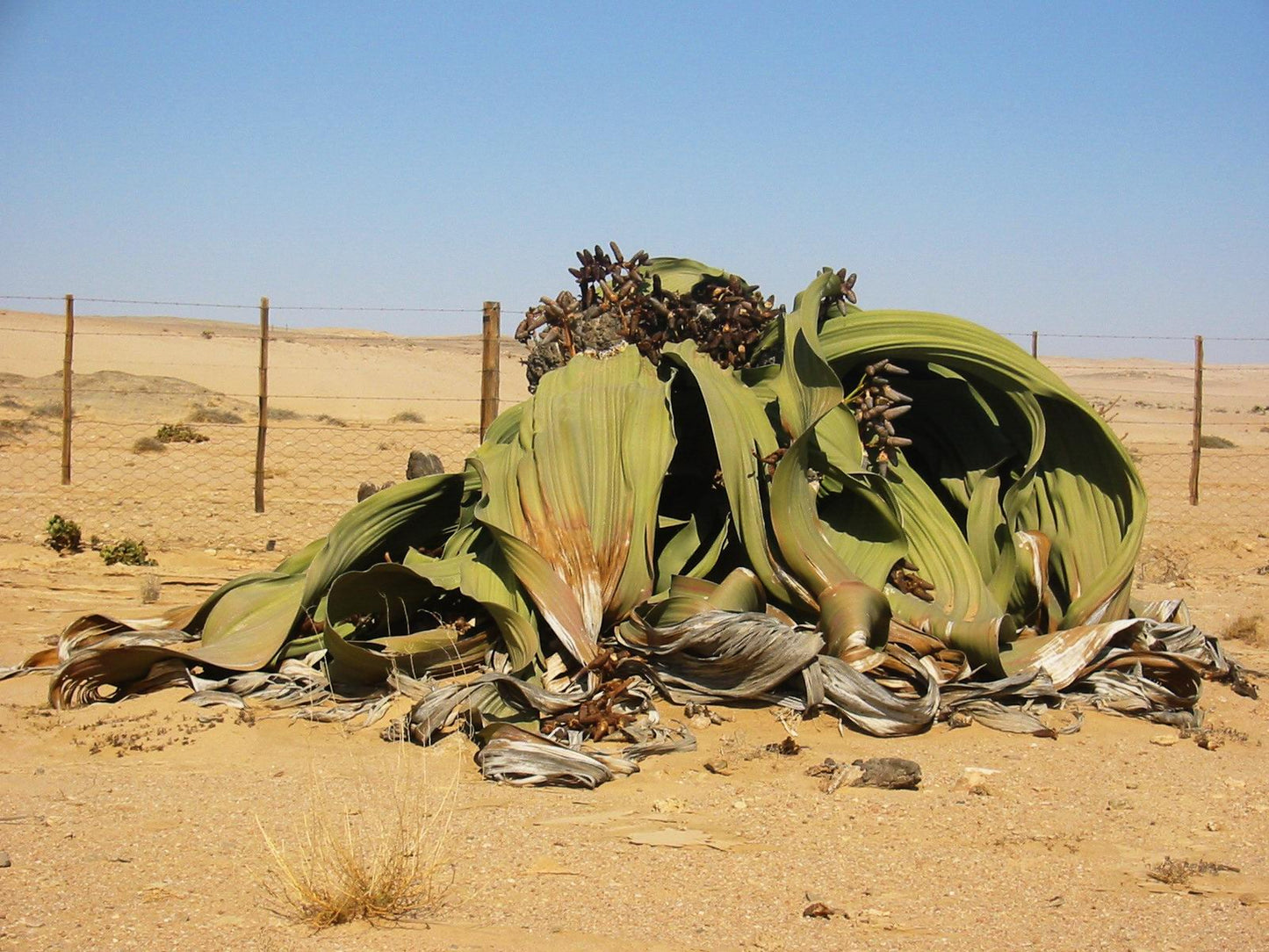
The plant is known for its peculiar form: it produces only two leaves in its entire life, and these grow continuously from the base over decades. Over time, the leaves fray and twist into long, ribbon-like strips that can reach several meters in length. The center of the plant consists of a thick, woody stem that is low and wide, resembling a cross between a root and a trunk.
Individual specimens are believed to be up to 1,500 years old – and the species is therefore considered one of the most remarkable examples of plant resilience and adaptation.
Cultivation and requirements:
Welwitschia mirabilis requires sun, heat, and well-drained, mineral-rich soil. In nature, it thrives on moisture from rare rain and, especially, fog, which is captured by the leaves. In cultivation, it is best grown in deep pots with a mix of sand, gravel, and a little organic material.
Water carefully – the soil should be dry between waterings, as the plant does not tolerate waterlogging. The temperature should be kept above 15 °C, and in Denmark, it is therefore best grown in a greenhouse, conservatory, or as a collector’s plant indoors under light and heat.
Cultivation from seeds:
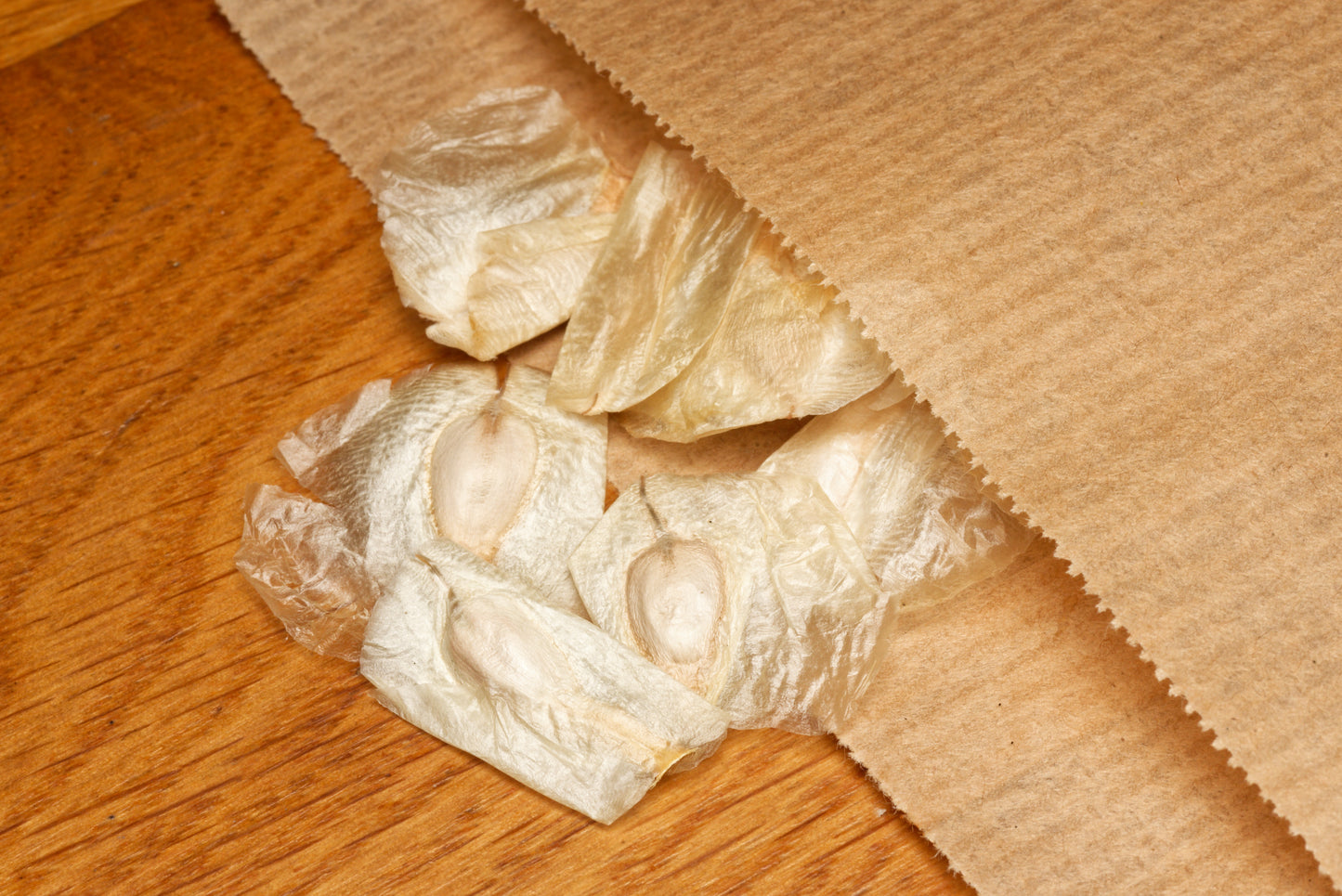
Seeds should be sown fresh, as they quickly lose their viability. They are sown in a well-drained mixture of sand and gravel, laid flat, and covered lightly. Keep at 20–25 °C with even moisture, but without the soil becoming wet. It is recommended to sow the seeds directly into deep pots (for example, our palm pots), as they do not like to be repotted. Deep pots are important because the plants quickly develop a long taproot. Germination usually occurs within 2–6 weeks. The small seedlings quickly develop their characteristic long leaves.
Utility:
Although Welwitschia mirabilis has no practical use as a crop, it has immense biological and cultural value. It is Namibia’s national plant and an icon of extreme adaptation to desert life. For collectors and botanists, it is a rare gem that provides a window into Earth's past.
Welwitschia mirabilis is an absolute must-have for the serious plant collector – a living curiosity that combines aesthetics, mystery, and an incredible lifespan.
Seed germination
Seed germination
Childcare
Childcare
Size
Size
Up to 4 meters wide
Difficulty level
Difficulty level
Difficult
NB
NB
Living fossil. Grows very slowly.