Buy 4 packs of seeds (or more) and get a 10% discount
a Piece of Nature
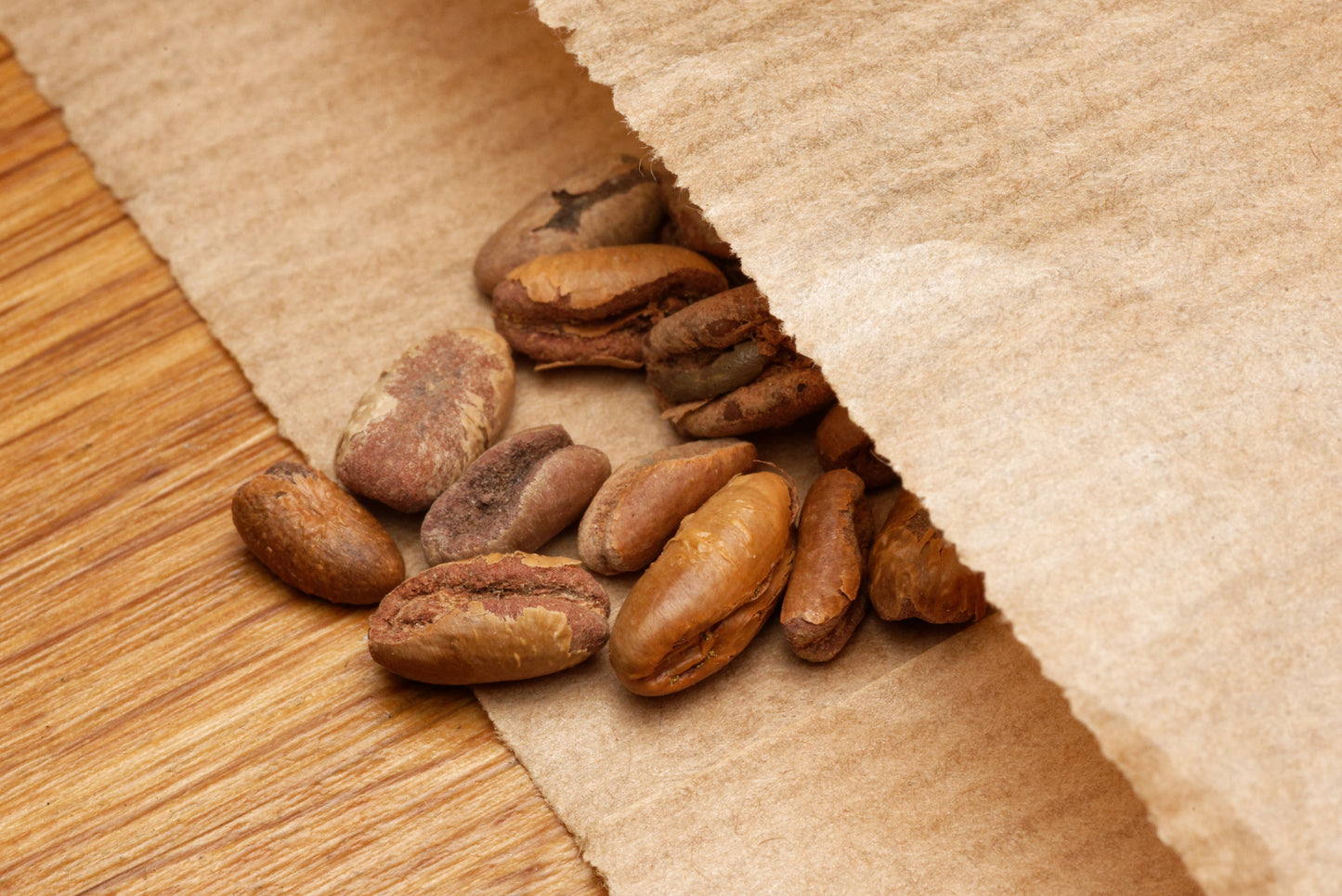
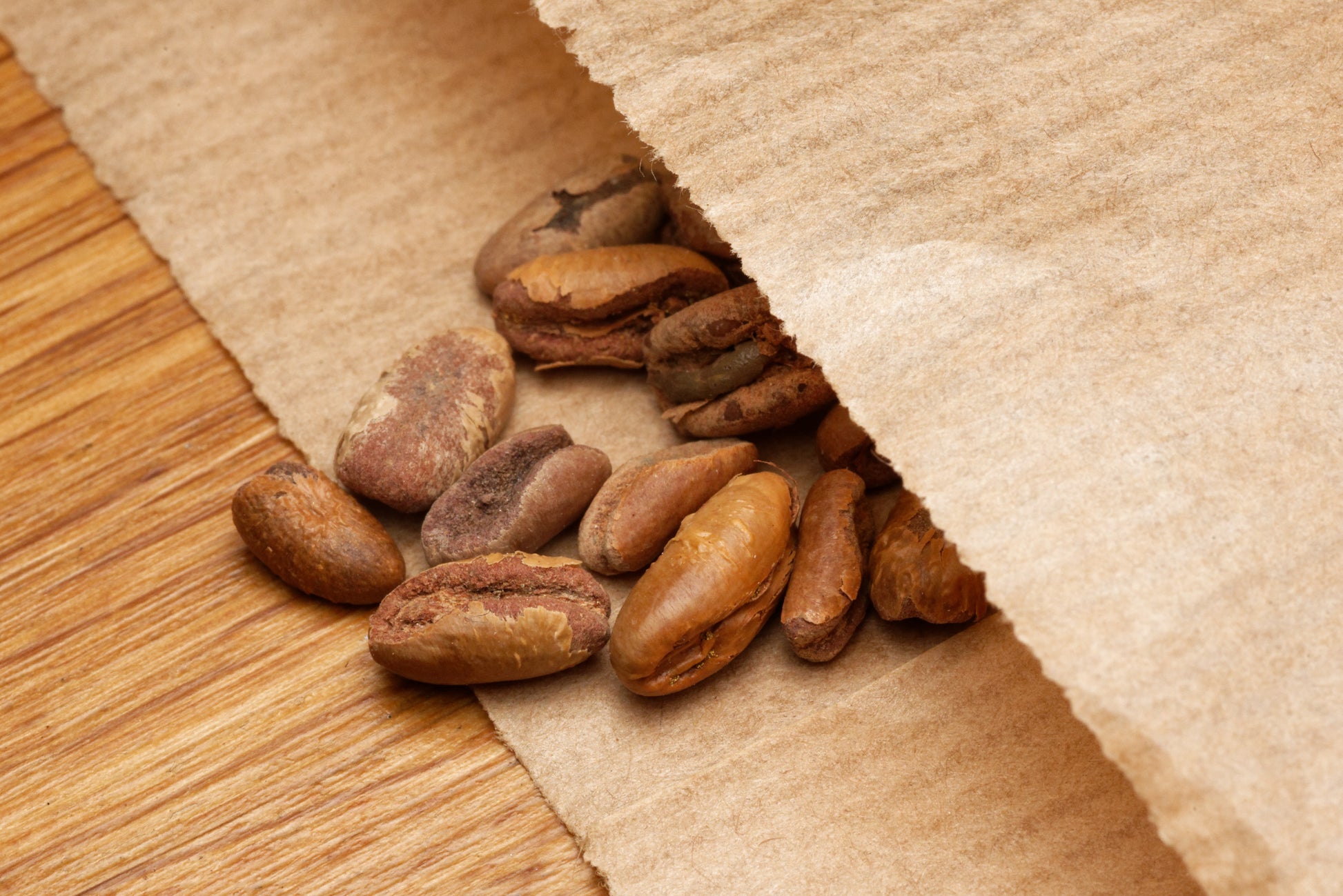
Pygmy date palm (Phoenix roebelenii) | seeds, 10 pcs.
Pygmy date palm (Phoenix roebelenii) | seeds, 10 pcs.
Couldn't load pickup availability
TOLERATES LIGHT FROST
- Latin name: Phoenix roebelenii
- Danish names: Dværgdaddelpalme, pygmædaddelpalme
- English names: Pygmy date palm, Dwarf date palm, Miniature date palm
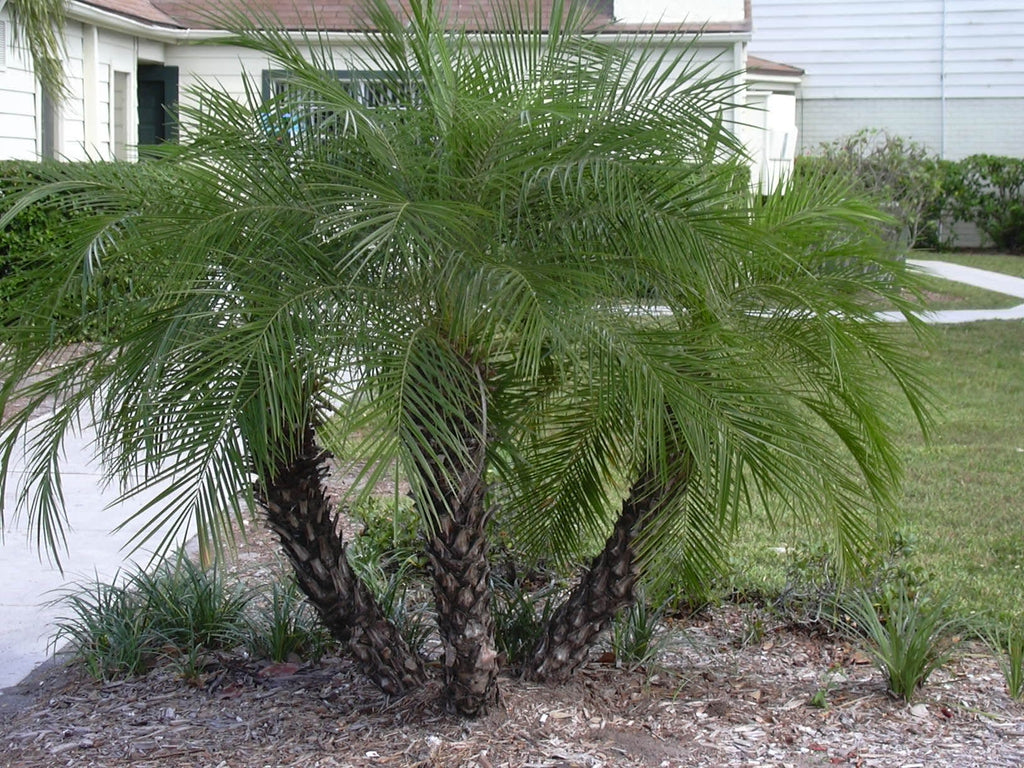
Phoenix roebelenii is an elegant and compact date palm that differs significantly from the large and robust species typically associated with the Phoenix genus. It develops a slender trunk and a dense crown of finely arched, dark green, feathery fronds, which give the plant a light and almost feather-like appearance. Its modest size has made the pygmy date palm particularly popular as a container plant, houseplant, and ornamental in smaller gardens in warm regions.
The species originates from Southeast Asia and occurs naturally from southern China to Laos and Vietnam. It is particularly associated with humid areas along rivers and streams, where it can grow on banks and other locations periodically affected by rising water levels. It is therefore a date palm that thrives with significantly more moisture than several of its relatives from arid and semi-desert areas.
Phoenix roebelenii usually only reaches about 2-3 meters in height, making it significantly smaller than, for example, Phoenix canariensis and Phoenix dactylifera, which can eventually develop into very large palms. Furthermore, the pygmy date palm grows more slowly and retains its compact form for many years, which makes it far easier to manage as a container plant.
The leaves are long and elegantly arched with numerous narrow leaflets. As with other Phoenix species, the lowest leaflets transform into sharp spines near the petiole, and the plant should therefore be handled with a certain degree of caution. Older plants can develop a distinct trunk with remnants and scars from previous leaves.
The pygmy date palm is dioecious, so male and female flowers are usually found on different plants. After pollination, female plants can develop small, elongated fruits that ripen from green to a dark reddish-brown or nearly black. Unlike the true date palm, Phoenix dactylifera, the species is not cultivated for its fruits, but primarily for its decorative appearance.
If you are fascinated by date palms, you can also try the robust Canary Island date palm, Phoenix canariensis, the classic true date palm, Phoenix dactylifera, or the rarer Cretan date palm (Phoenix theophrasti). You can also explore our entire selection of palm seeds.
Cultivation and requirements
Phoenix roebelenii thrives best in warm, bright conditions and with a more consistent water supply than many other date palms. It prefers:
- A very bright location with sun or lightly filtered sun
- A nutrient-rich, airy, and well-drained soil
- Regular watering and light, consistent soil moisture during the growing season
- Good humidity, especially when grown indoors
- Bright and frost-free overwintering
The plant should not stand constantly wet in a container, but it tolerates prolonged drying out less well than the more drought-tolerant Phoenix species. In the summer, it can be kept outdoors on a warm and sheltered patio, where it should be gradually acclimated to direct sun.
The pygmy date palm is significantly less cold-tolerant than, for example, Phoenix canariensis and especially Phoenix theophrasti. Under Danish conditions, it should therefore be considered a frost-sensitive container or houseplant and overwintered in a bright, frost-free location.
Cultivation from seeds
Seeds of Phoenix roebelenii germinate best with stable warmth. It is recommended to soak the seeds in lukewarm water for 24-48 hours before sowing.
- Sow in an airy and well-drained sowing medium (alternatively, the bag germination method can be used)
- Cover the seeds with approximately 1 cm of sowing medium
- Maintain a temperature around 25-30 °C
- Keep the sowing medium consistently moist, but not waterlogged
- The seeds do not require cold stratification
Under good conditions, the first seeds may begin to germinate after a few weeks, but germination can be irregular and take longer. A stable temperature and even moisture are more important than very high heat.
As with other date palms, the young plant first develops a single, narrow, and undivided leaf. The characteristic feathery leaves appear later as the plant grows. Young palms benefit from good space for their roots, and our tall palm pots are therefore suitable for further cultivation.
- You may also want to see our article on germinating palm seeds.
Utility and collector value
Phoenix roebelenii is primarily grown as an ornamental palm. Its compact growth makes it particularly useful where large date palms would quickly require too much space. In tropical and subtropical regions, it is used in gardens and landscaping, while in cooler climates, it is suitable as a container plant.
For the collector, it is interesting to compare the different species within the Phoenix genus. Phoenix canariensis develops a very robust trunk and a huge leaf crown, while Phoenix dactylifera is the classic fruit-bearing date palm and has been an important cultivated plant in arid regions for millennia. The Cretan Phoenix theophrasti is more compact, often multi-trunked, and among the more cold-tolerant species in the genus.
Phoenix roebelenii represents almost the opposite end of the spectrum. It is smaller, more moisture-dependent, and more tropical in its needs, but in return, far easier to keep in a container for many years. Its finely arched leaves simultaneously give it a lighter and more elegant appearance than the larger date palms.
This makes Phoenix roebelenii an exciting choice both for the palm collector and for those who wish to grow a decorative date palm from seed without eventually ending up with one of the genus's truly large species.
Seed germination
Seed germination
Childcare
Childcare
Size
Size
Up to 4.5 meters
Difficulty level
Difficulty level
Beginner
NB
NB