Buy 4 packs of seeds (or more) and get a 10% discount
a Piece of Nature
Stone pine (Pinus pinea) | seeds, 10 pcs.
Stone pine (Pinus pinea) | seeds, 10 pcs.
Couldn't load pickup availability
- Latin name: Pinus pinea
- Danish names: Pinjetræ, pinje, pinjefyr, stenekoglefyr, italiensk fyr
-
English names: Stone pine, Mediterranean stone pine, umbrella pine and parasol pine
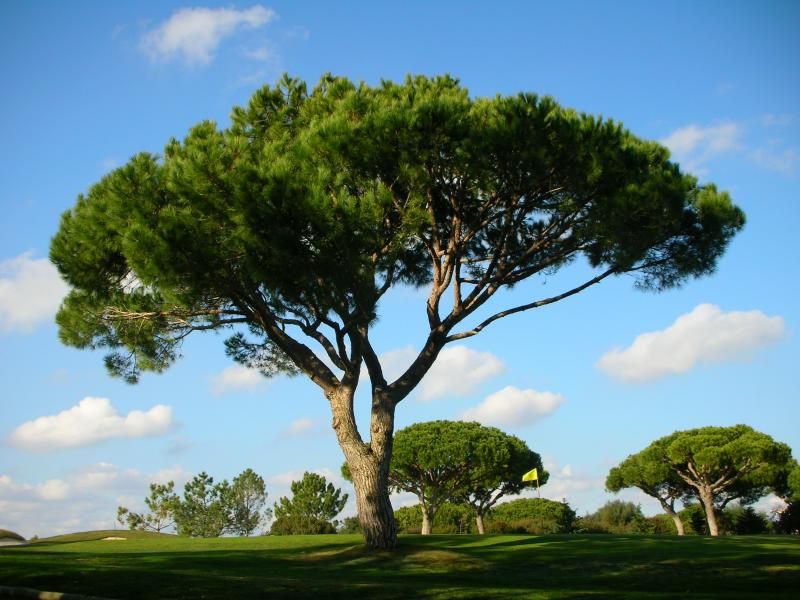
Pinus pinea is the characteristic and majestic stone pine – a true symbol of Mediterranean landscapes. Its broad, parasol-shaped crown and silvery-green needles adorn coasts from Portugal to Syria, and throughout history, it has had great aesthetic and practical significance. It is this species that produces the edible pine nuts used in cooking around the world – from pesto to the classic desserts of Mediterranean cuisine.
The tree has a strong, straight trunk with reddish-brown, furrowed bark, which develops a decorative pattern with age. The needle pairs are 10–20 cm long, slightly wavy, and have a fresh, silvery-green color. Over time, the crown develops into the iconic, flat "parasol shape" that gives Pinus pinea a unique and sculptural expression.
Cultivation and requirements:
Pinus pinea thrives best in full sun and in well-drained, sandy or gravelly soil. It tolerates drought, wind, and salt, and is therefore ideal for coastal and dry gardens. The species is relatively hardy, and mature specimens can handle temperatures down to around –10 °C, especially if they are kept dry and sheltered. Young plants, however, should be overwintered frost-free for the first few years.
In Denmark, the stone pine is best grown in large pots or in sunny, sheltered locations where it can form its characteristic shape over time. It requires minimal care but rewards patience with a beautiful, Mediterranean-inspired expression.
Cultivation from seed:
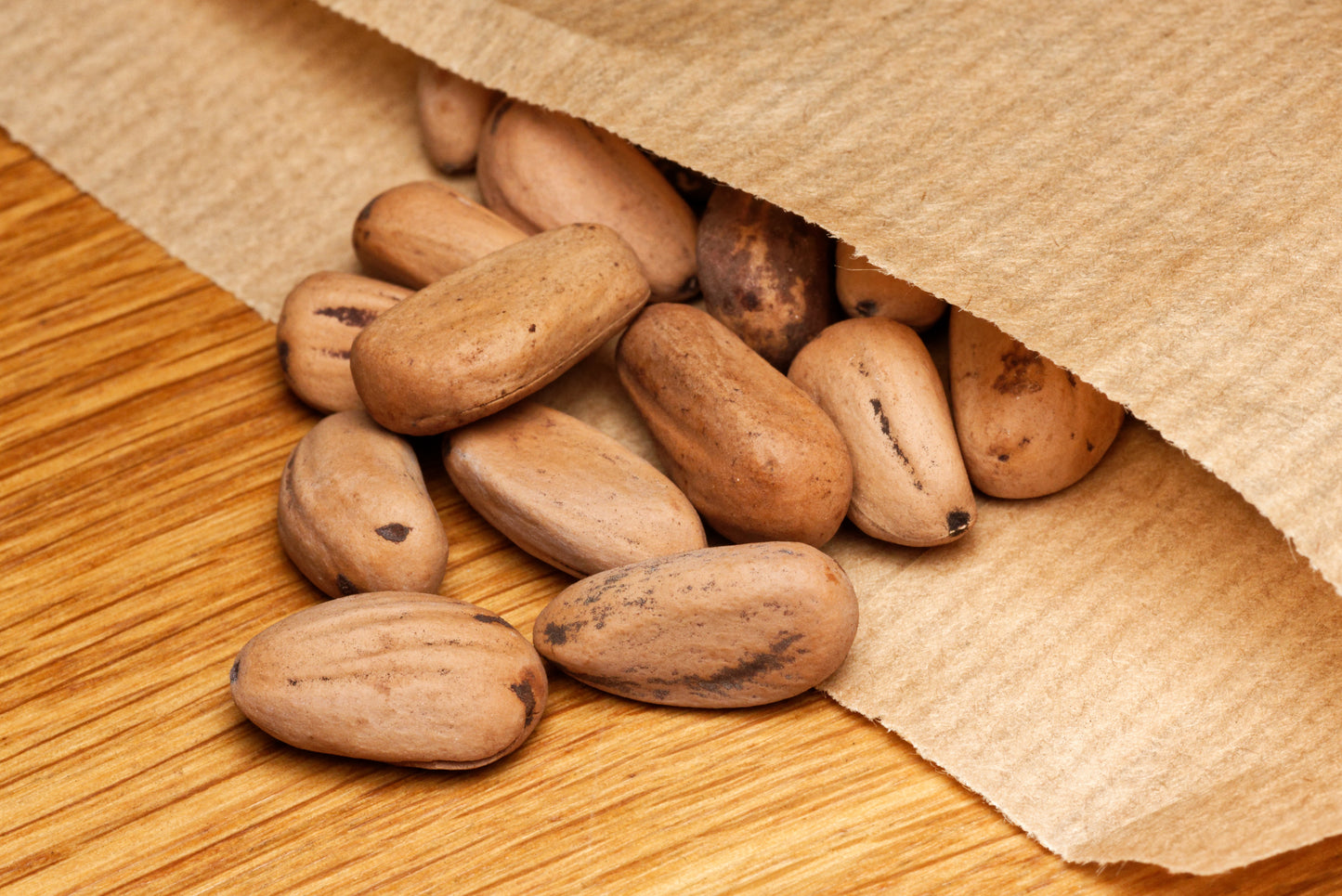
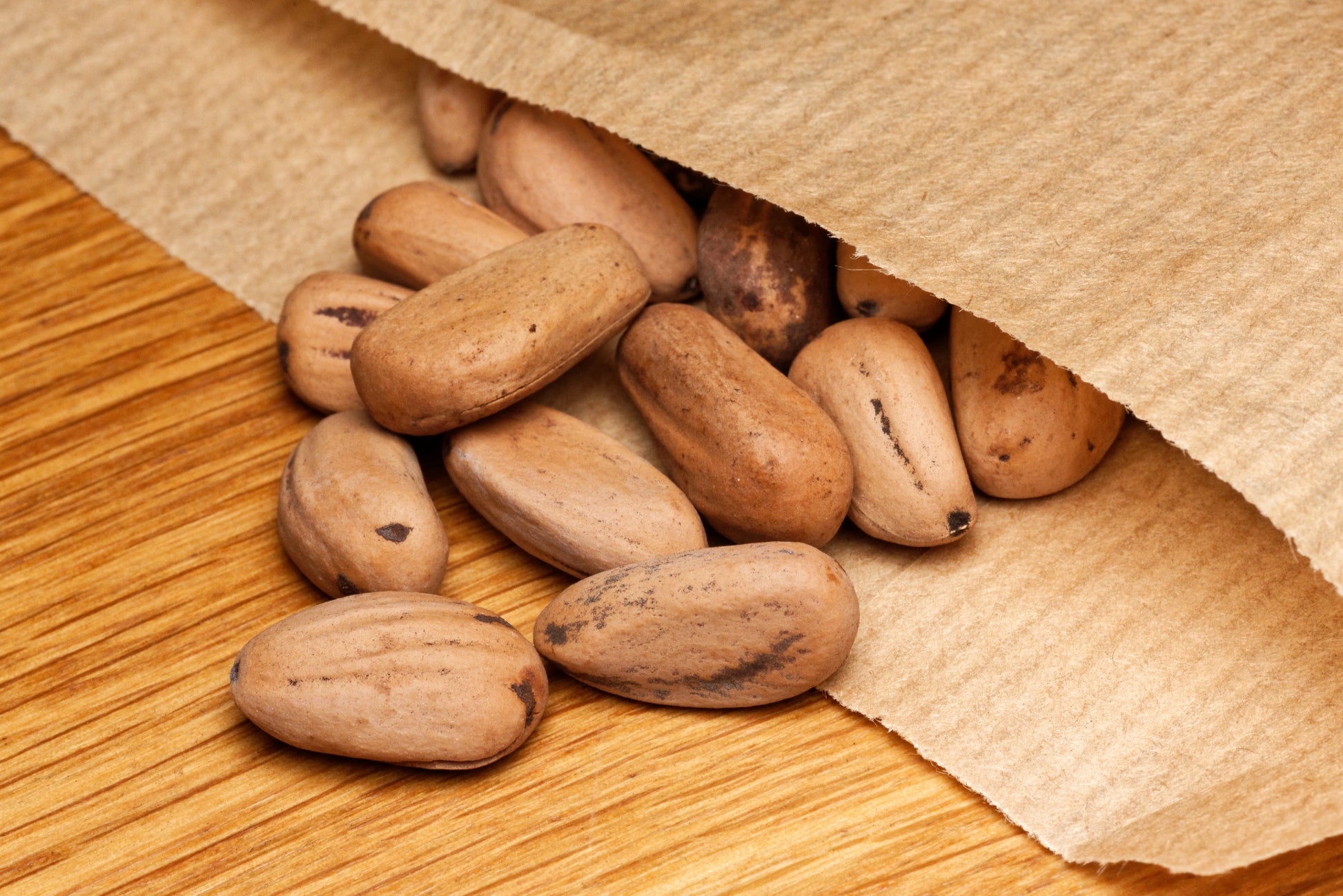
The seeds (pine nuts) are large and easy to germinate. They should be placed in lukewarm water for 24–48 hours before sowing and then sown in a well-drained, light soil mixture. Keep the soil moist, but not wet, and the temperature around 18–24 °C. Germination usually occurs within 2–4 weeks. The seedlings grow slowly at first but quickly develop the characteristic, strong pine shape.
Utility value:
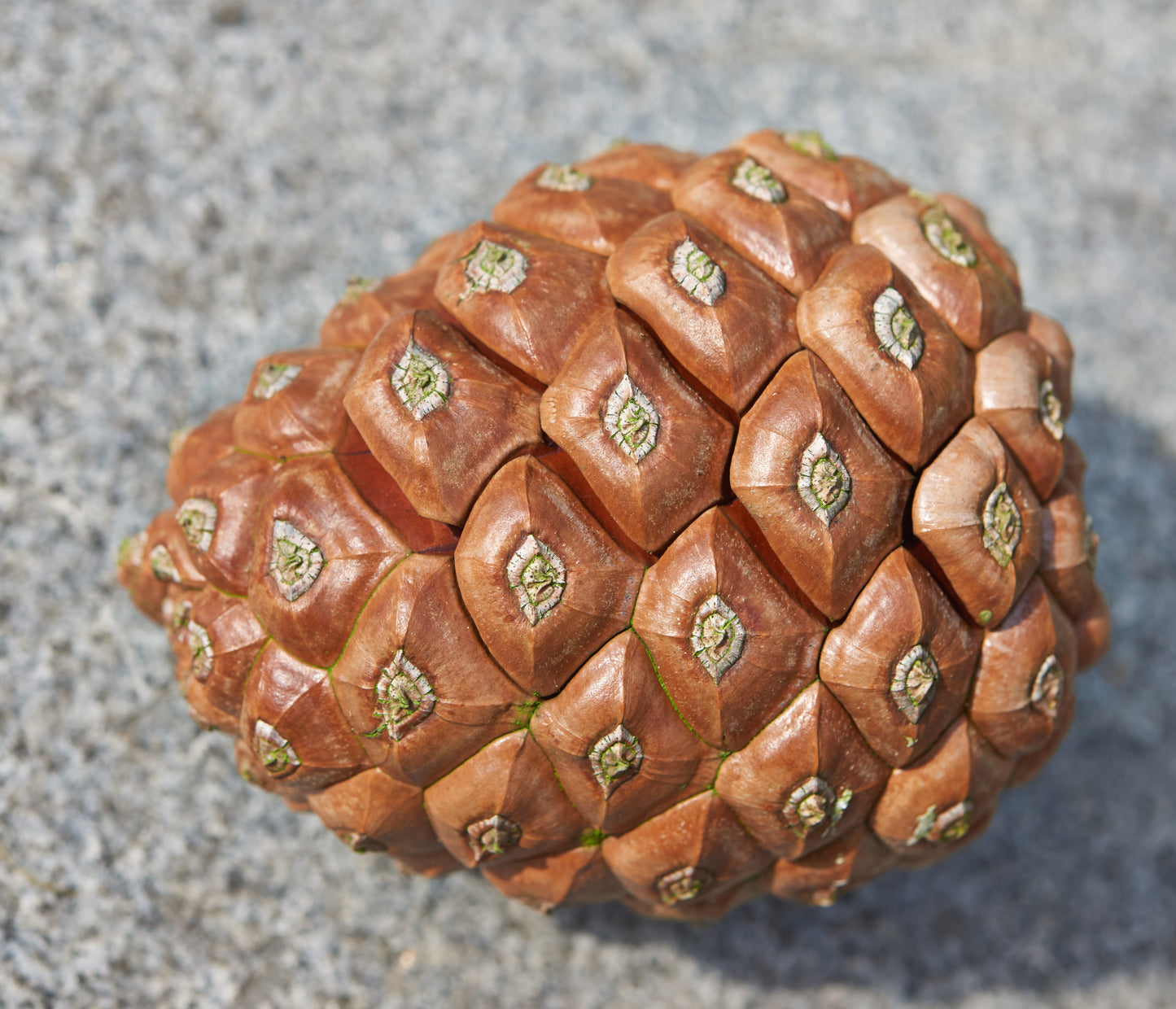
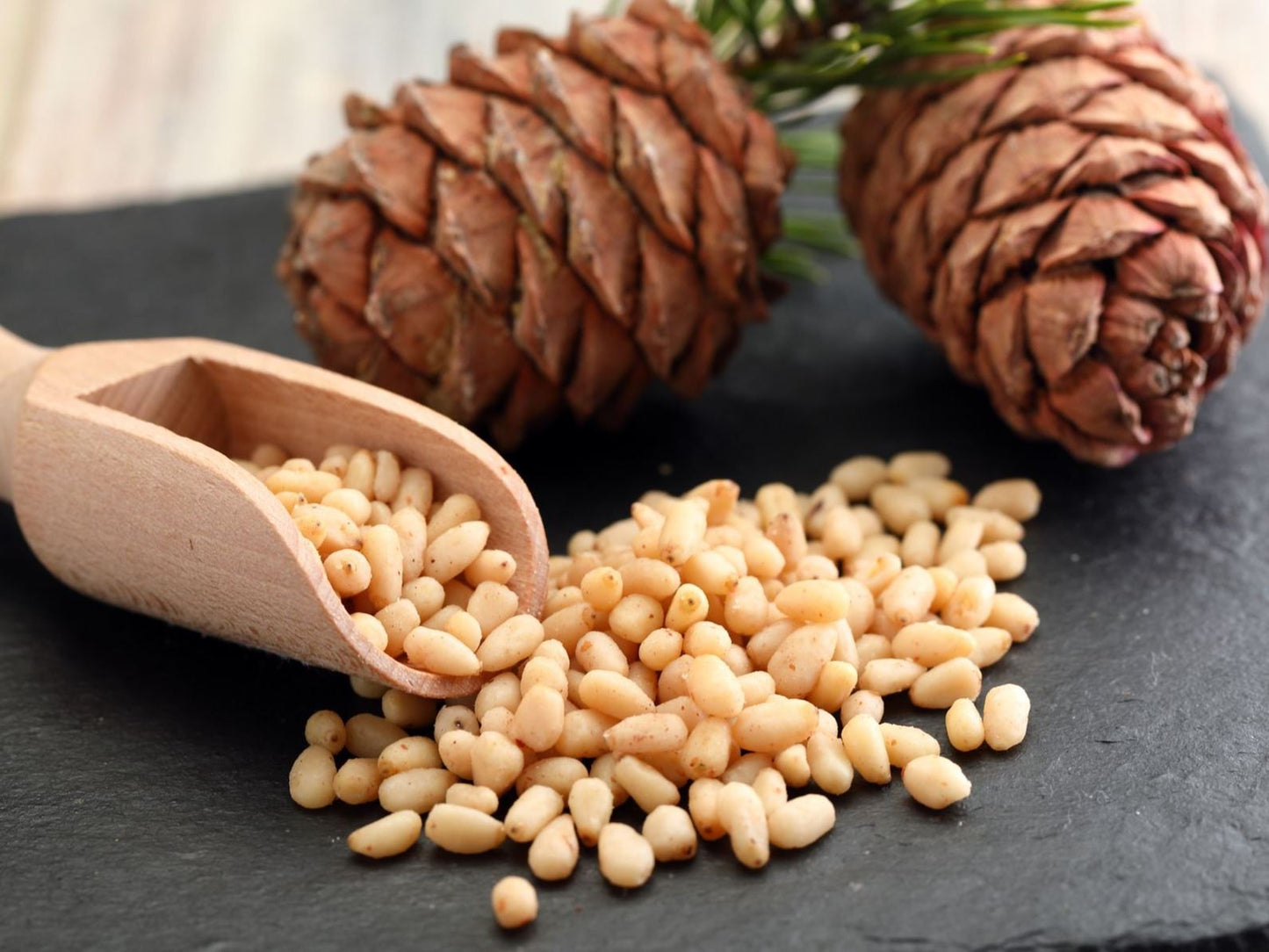
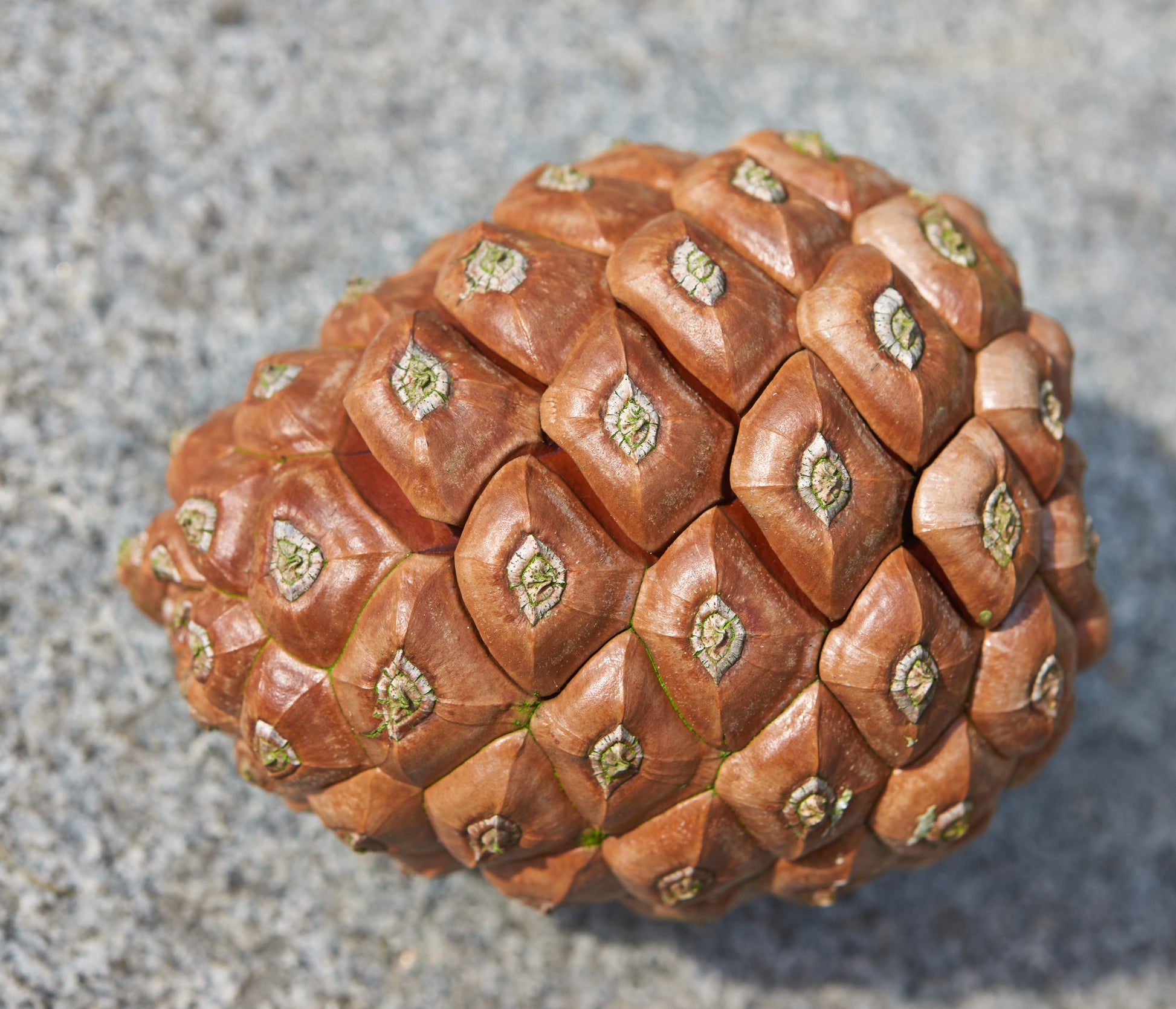
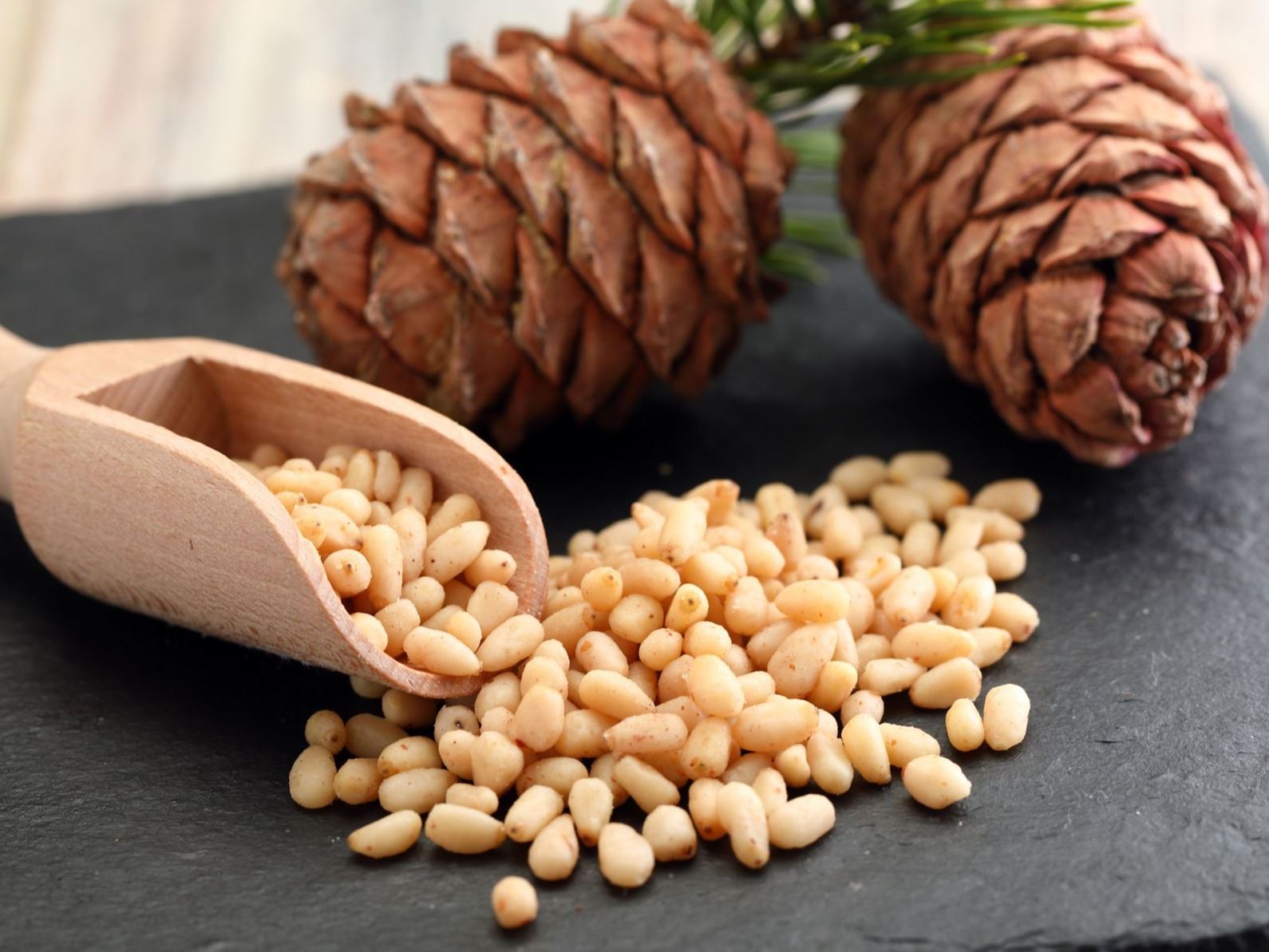
The edible seeds – pine nuts – are harvested from mature cones after 2–3 years and are rich in healthy fatty acids and proteins. They are widely used in Mediterranean cuisine, both in sweet and savory dishes. In addition to its culinary significance, Pinus pinea is also an excellent ornamental plant that gives the garden an authentic Mediterranean atmosphere with minimal maintenance.
Pinus pinea is the perfect combination of ornament and utility – a beautiful, slow-growing pine tree that brings sun, fragrance, and a true Mediterranean atmosphere to the garden or terrace.
Seed germination
Seed germination
Childcare
Childcare
Size
Size
Up to 25 meters tall (though considerably smaller in Denmark)
Difficulty level
Difficulty level
Between
NB
NB
Frost hardy