a Piece of Nature
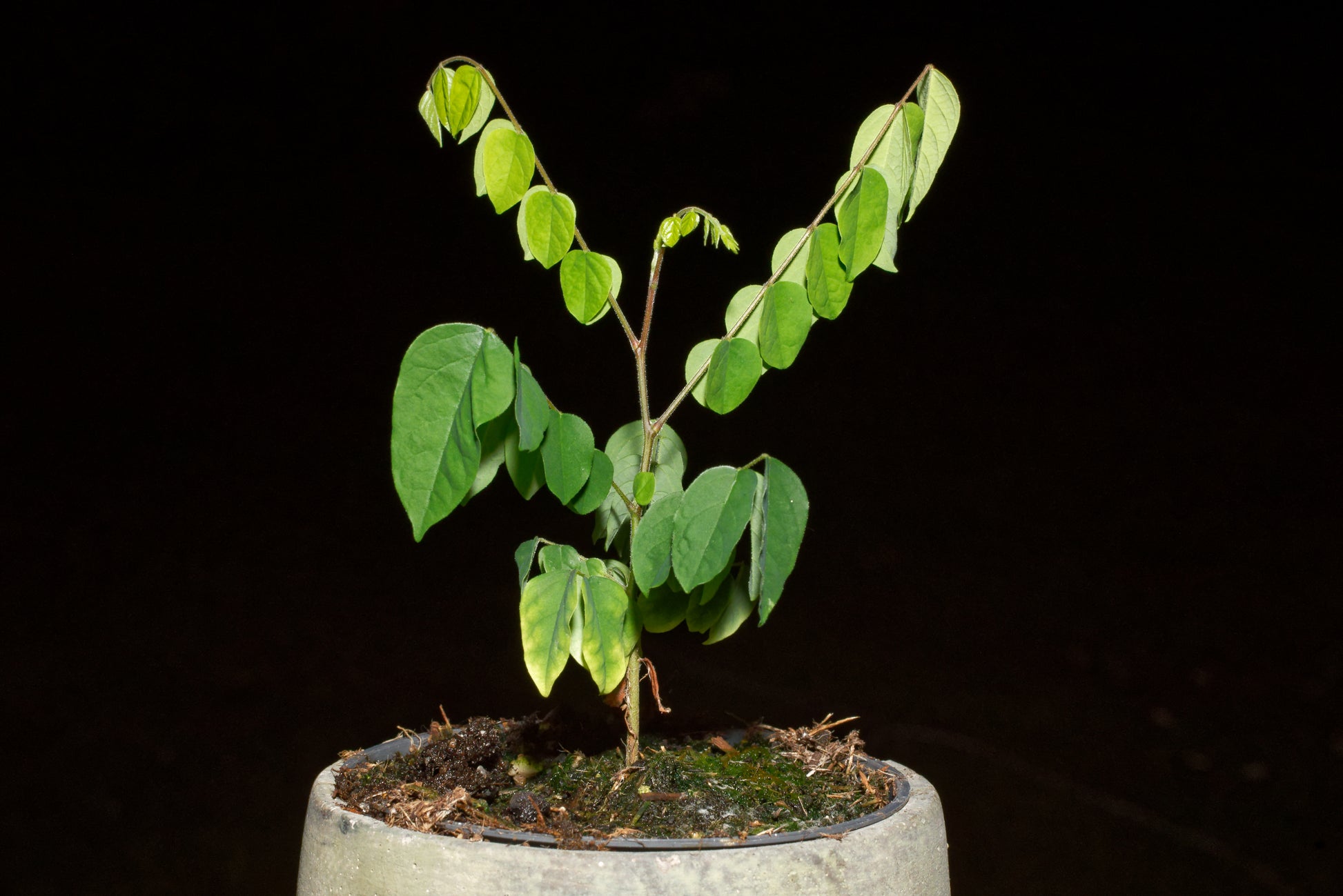
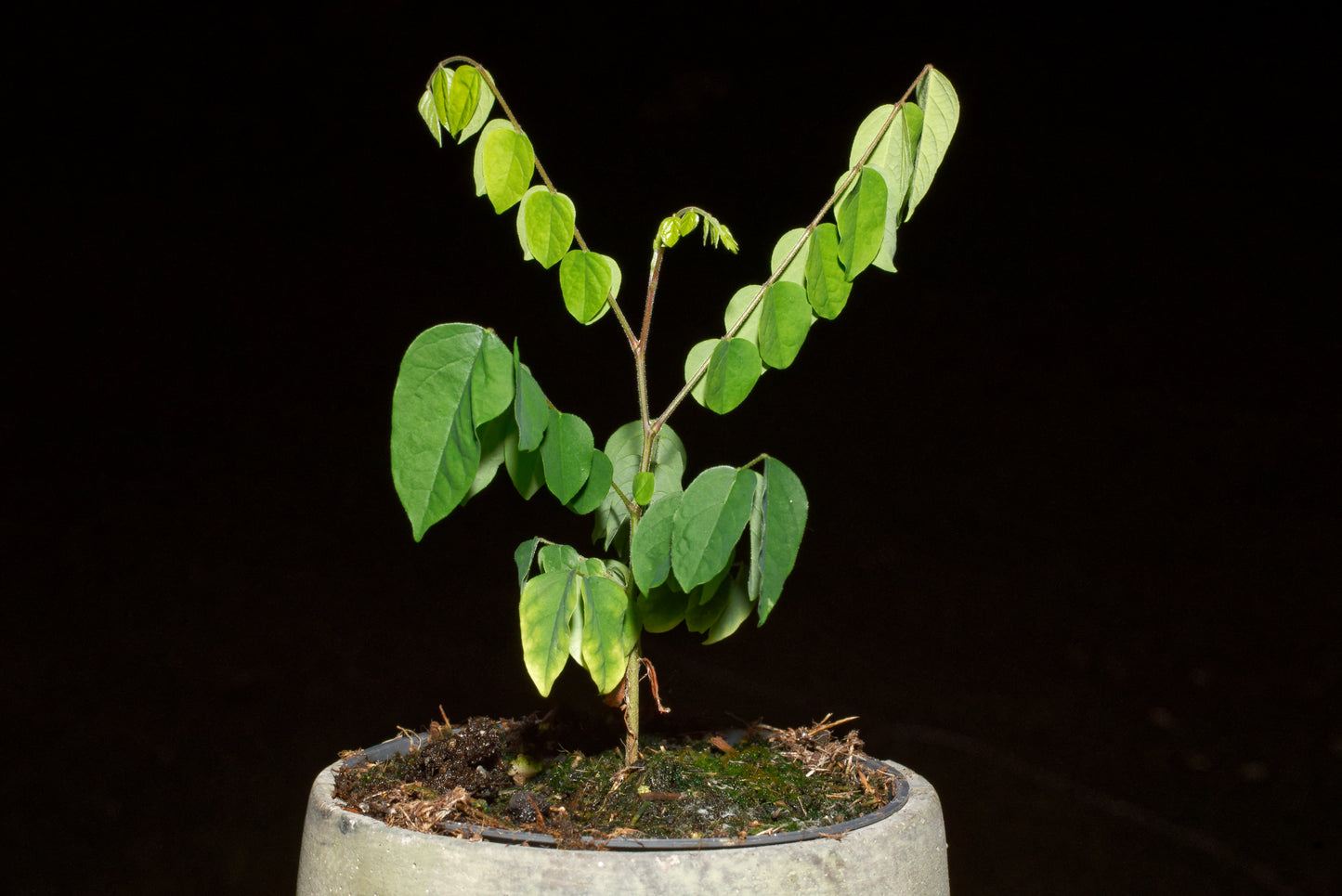
Starfruit (Averrhoa carambola) | plant
Starfruit (Averrhoa carambola) | plant
Couldn't load pickup availability
RARE SEED-GROWN PLANT
- Latin name: Averrhoa carambola
- Danish names: Carambole, stjernefrugt
- English names: Starfruit, carambola
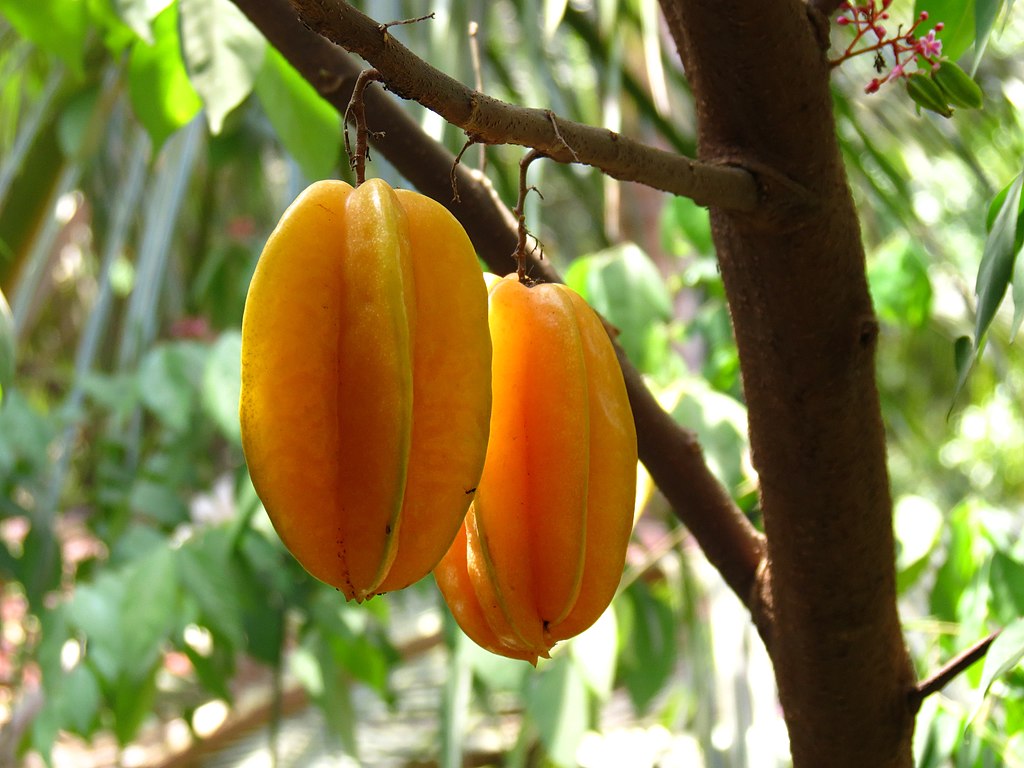
Averrhoa carambola, better known as starfruit, is a tropical fruit tree native to Southeast Asia. The fruit got its popular name because when sliced, it forms beautiful, five-pointed stars. The tree is now widespread throughout the tropics, where it is grown both commercially and as an ornamental and useful plant in private gardens. It is very rare to see seedlings for sale, as the seeds can only germinate when they are completely fresh.
Appearance and growth
The carambola tree is a small, evergreen tree that usually reaches 3–6 meters in height. It has finely compound leaves and beautiful, small pink to purple flowers that develop into the characteristic yellow-green fruits. The fruits are crisp, juicy, and slightly tart with a sweet undertone – a combination that makes them suitable both as fresh fruit and in juices, salads, and desserts.
Usage
Starfruit is known for its decorative shape and is often used as a garnish in cooking. It is rich in vitamin C, fiber, and antioxidants. In tropical regions, it is eaten fresh from the tree or processed into juice, marmalade, or chutney.
Cultivation and care
- Light: Requires full sun for optimal growth and fruiting.
- Temperature: Thrives best in tropical/subtropical conditions (20–35 °C). Cannot tolerate frost.
- Soil: Slightly acidic, well-drained, and nutrient-rich soil.
- Watering: Prefers consistent moisture – does not tolerate drying out, but avoid waterlogging.
- Fertilizer: Fertilize regularly during the growing season to promote flowering and fruit development. Use a good organic fertilizer.
- Placement: In colder climates, Averrhoa carambola is best grown in a greenhouse, conservatory, or as a container plant that can be moved indoors in winter.
Averrhoa carambola is the ideal plant for exotic fruit enthusiasts who wish to grow their own starfruit – a rare combination of ornamental value, utility, and tropical charm.
Note: The images are intended as examples of the plant and do not necessarily represent the exact plant being purchased.
Childcare
Childcare
Size
Size
Reaches up to 6 meters in height (though smaller in a pot)
Difficulty level
Difficulty level
Difficult
Note
Note
Produces edible star-shaped fruits

REMEMBER ALSO
Organic fertilizer (cactus)
Del