a Piece of Nature
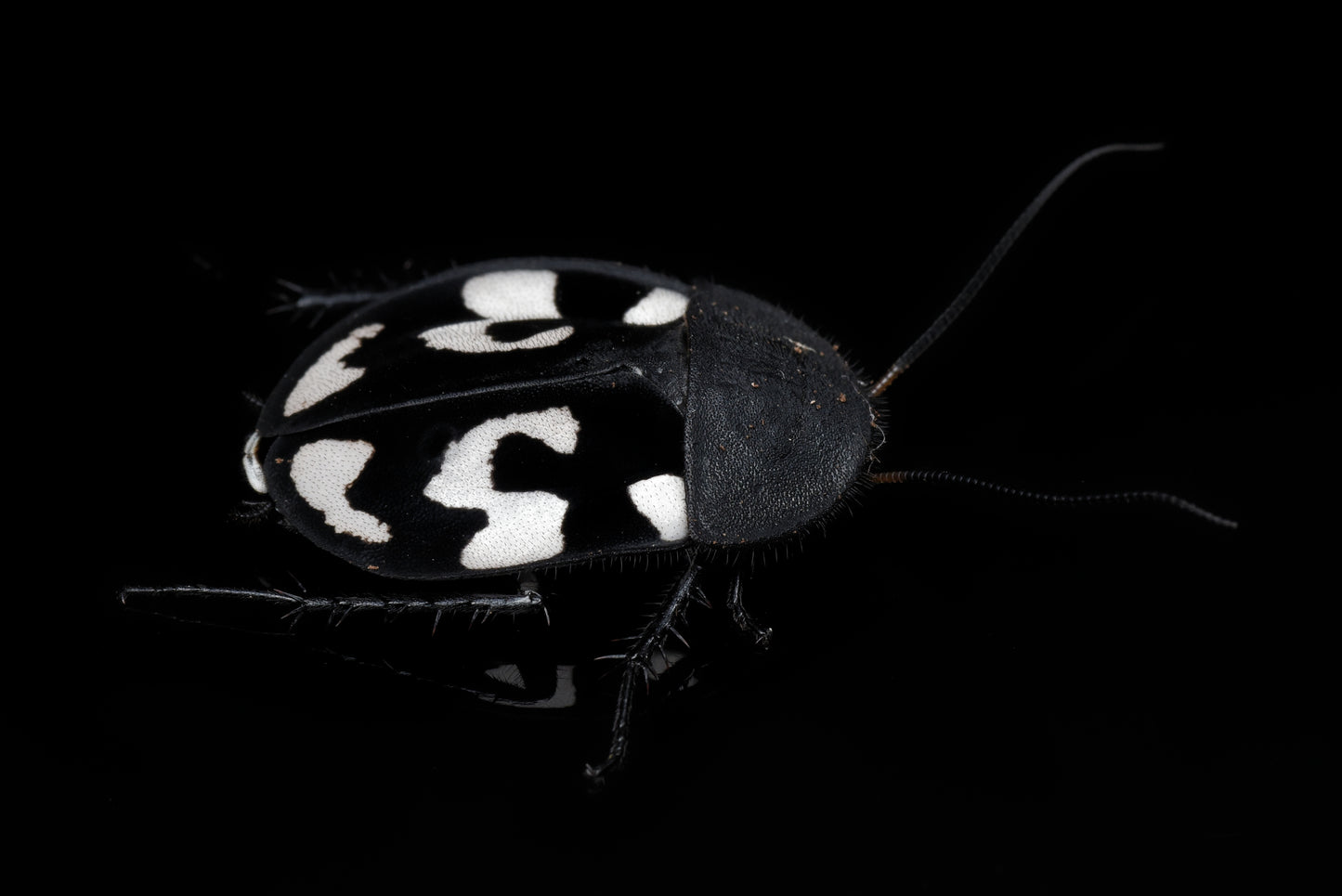
Question mark cockroach (Therea olegrandjeani) | 15 pcs.
Question mark cockroach (Therea olegrandjeani) | 15 pcs.
Couldn't load pickup availability
- Latin name: Therea olegrandjeani
- Danish name: Question-mark cockroach
- English name: Question-mark cockroach
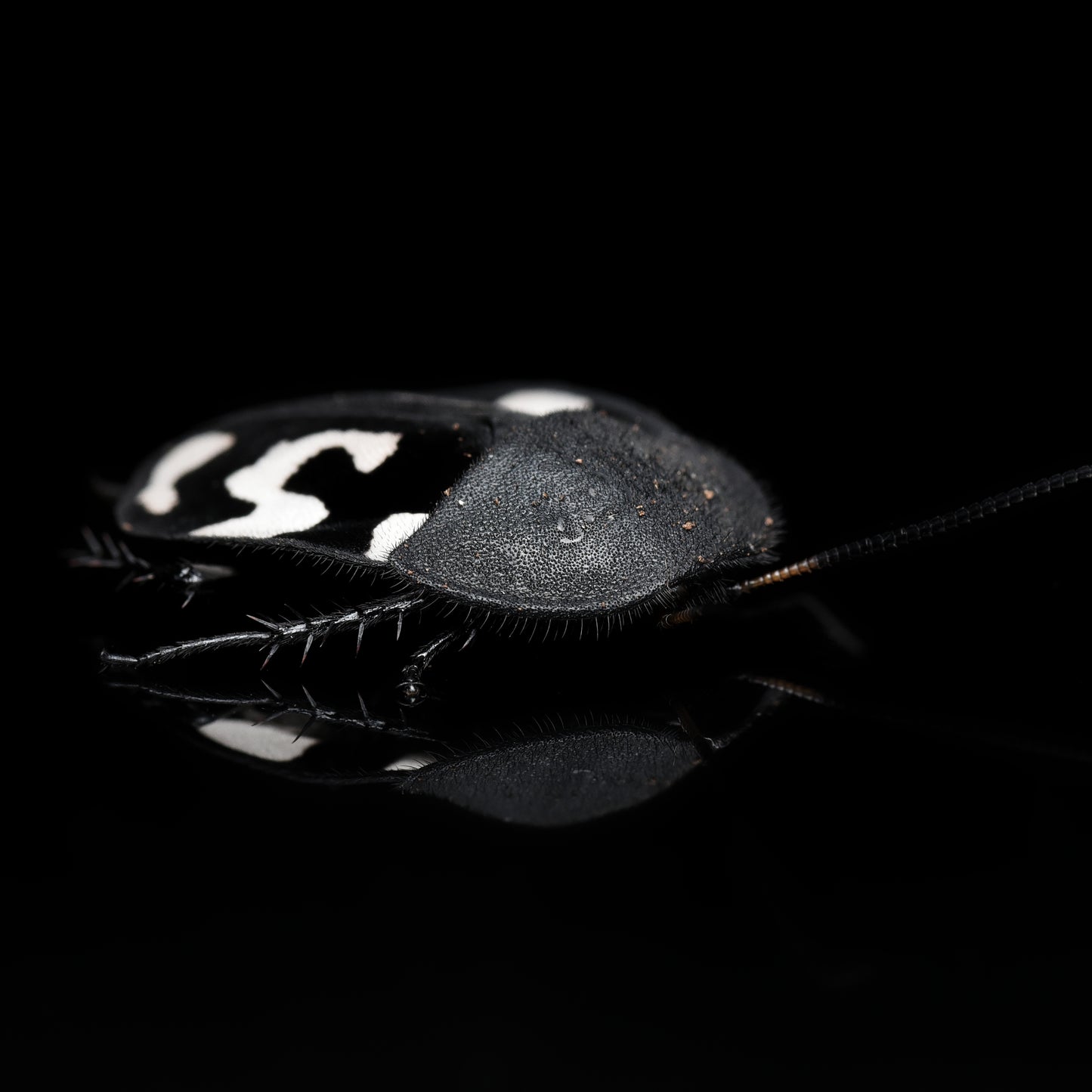
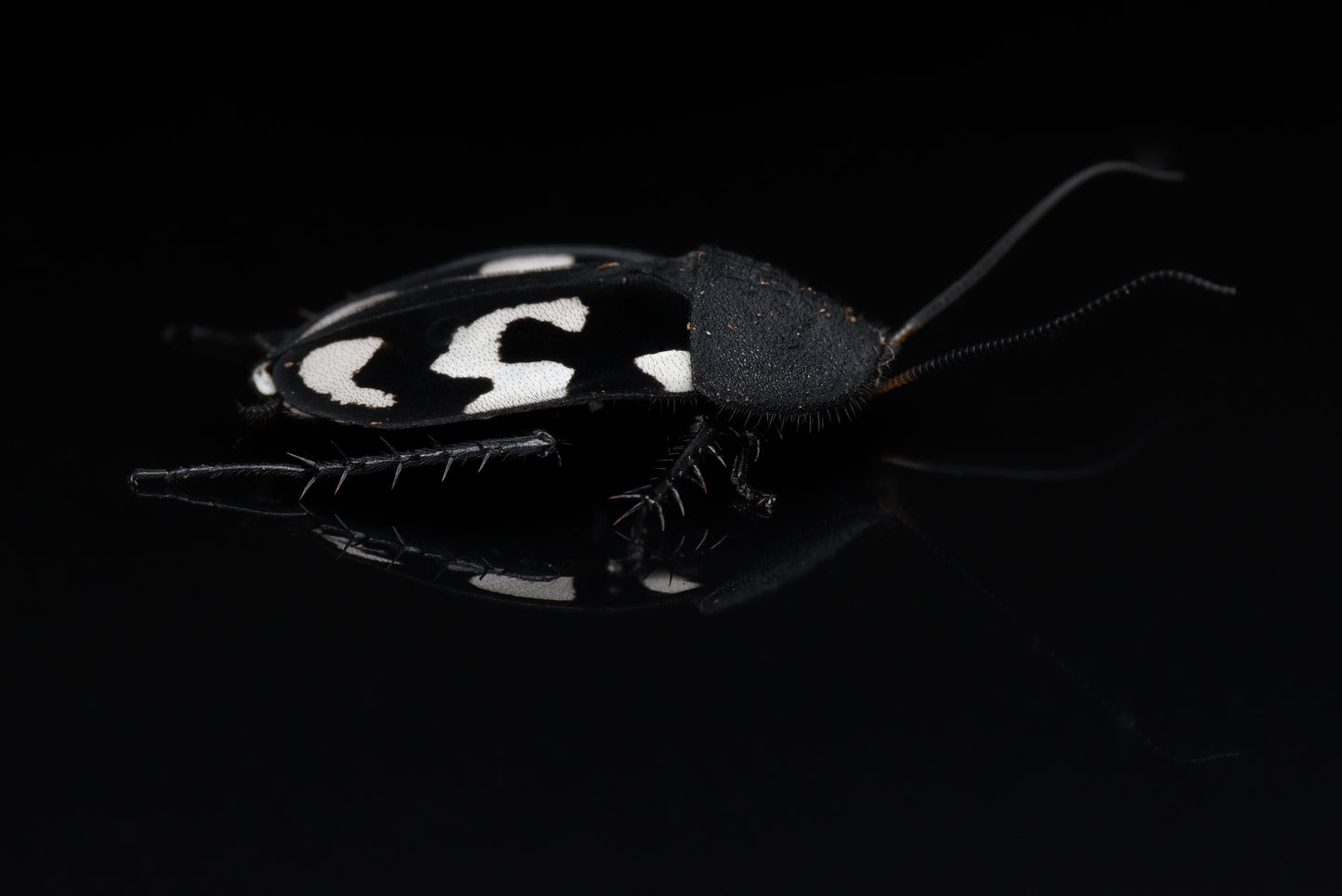
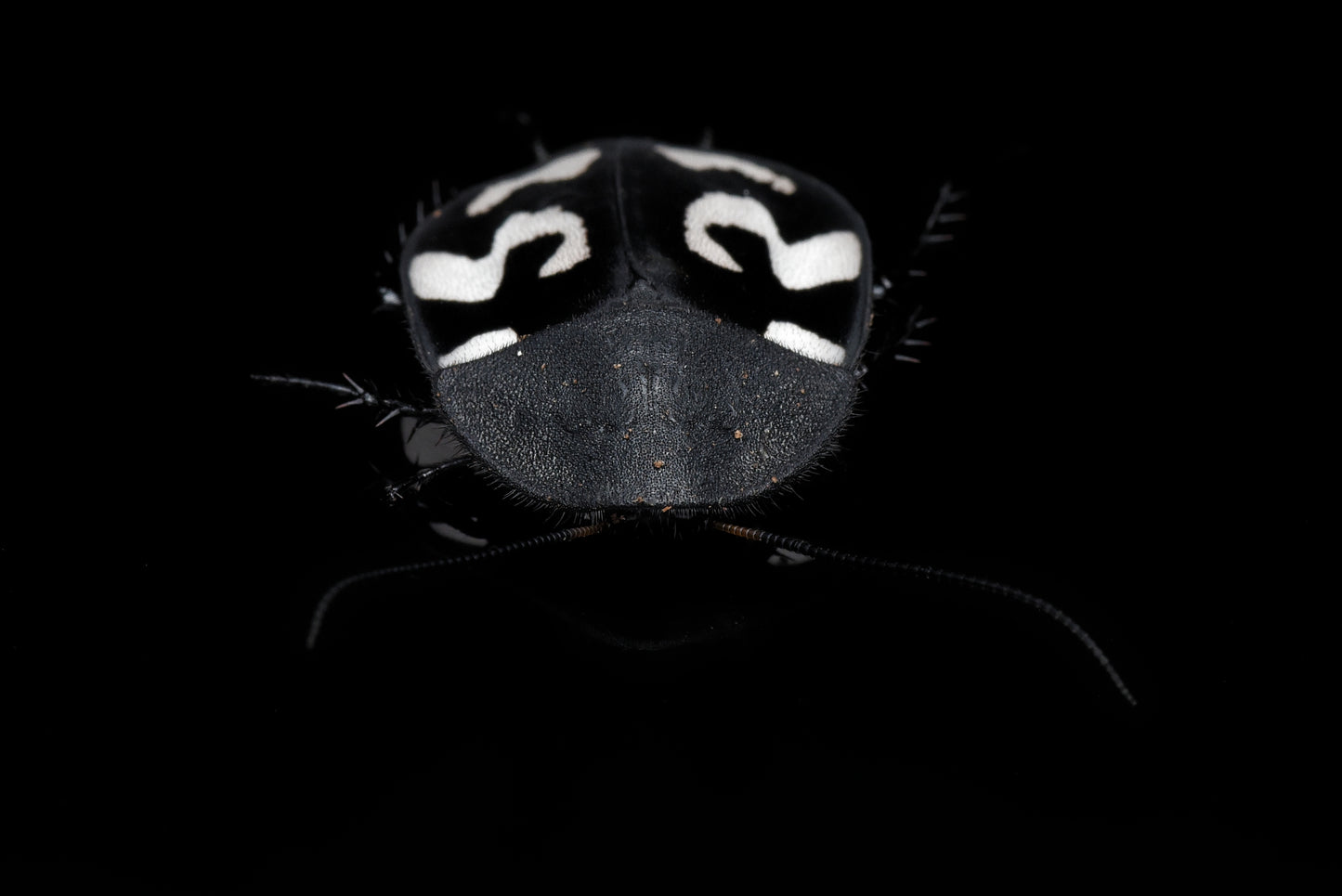
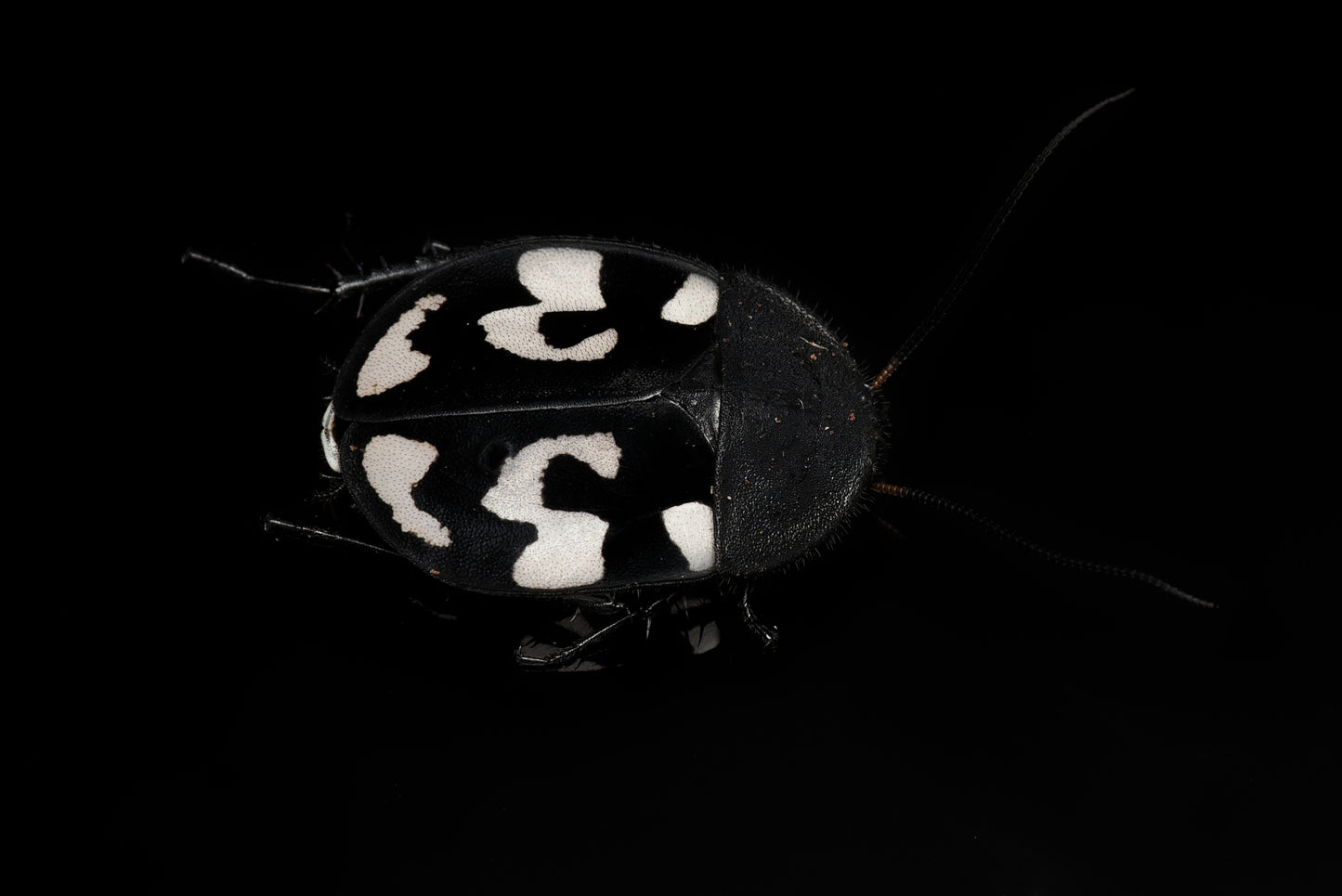
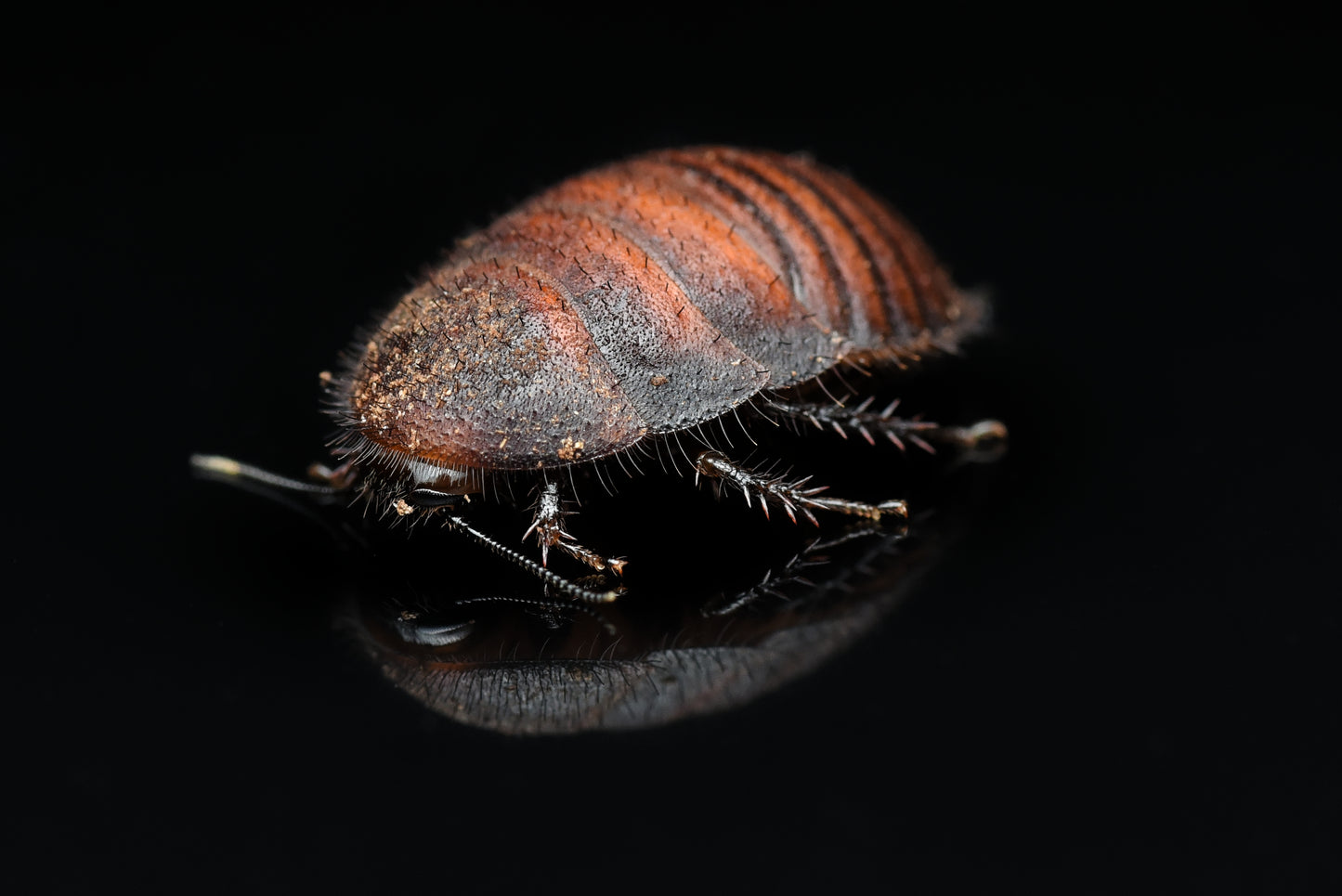
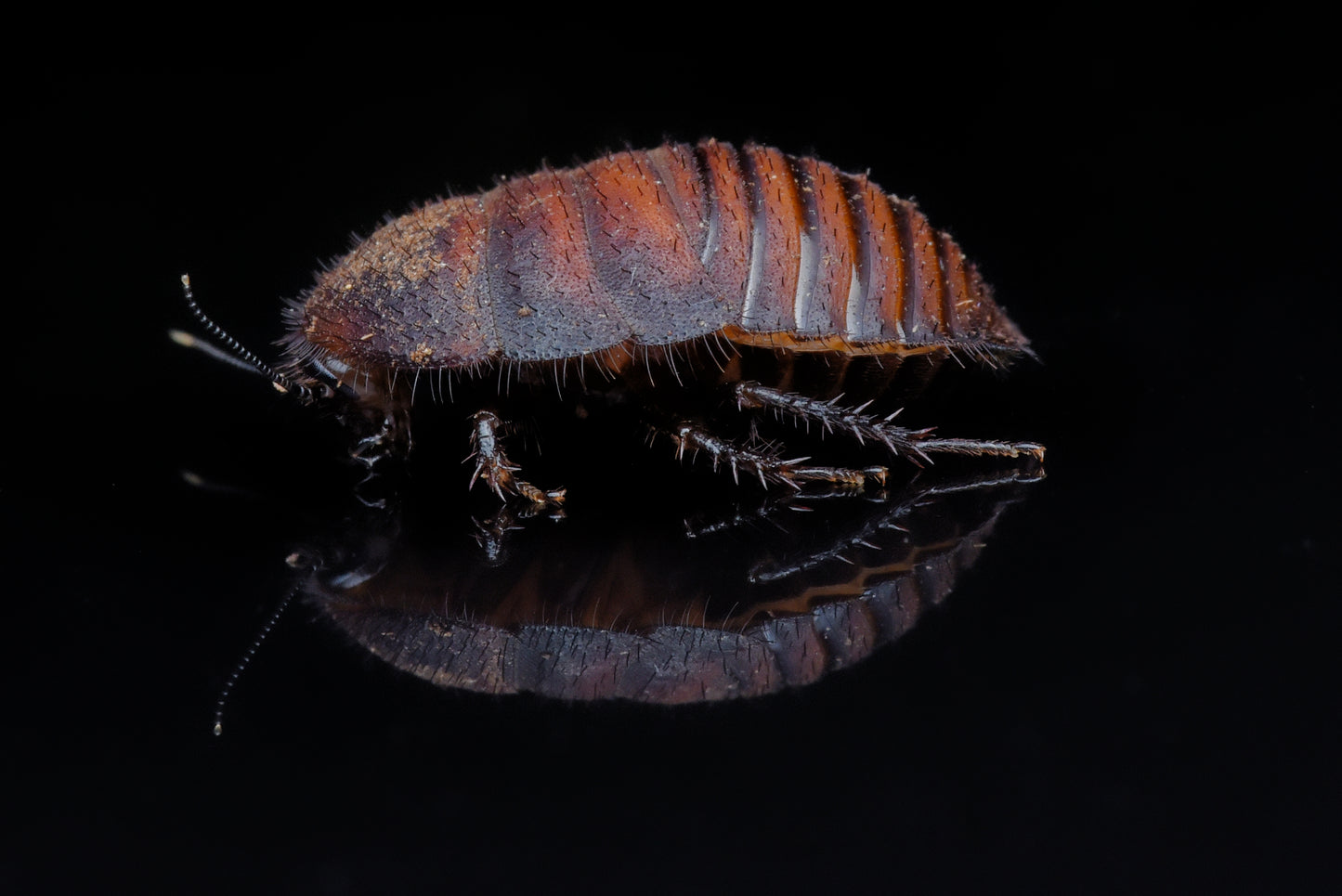
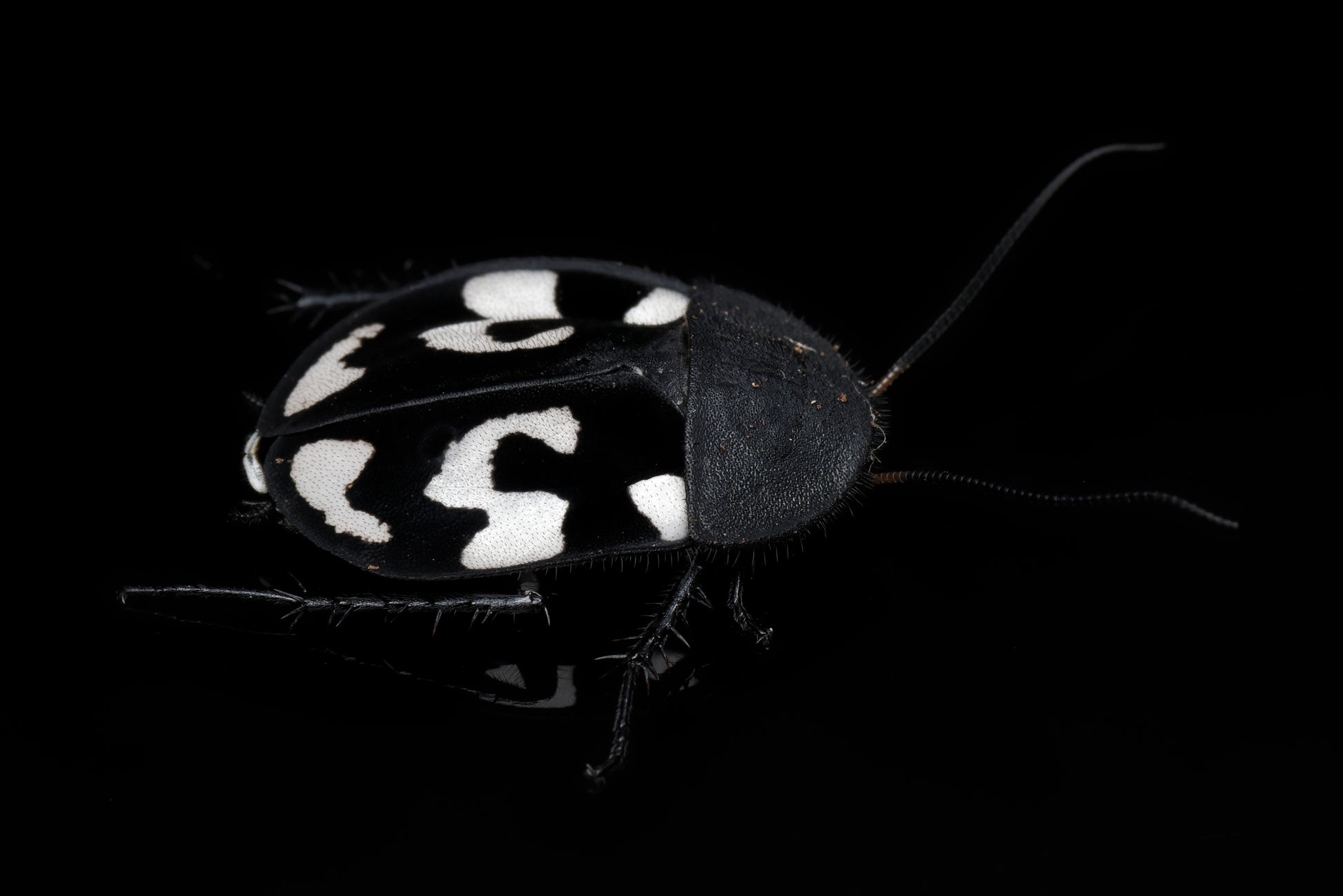
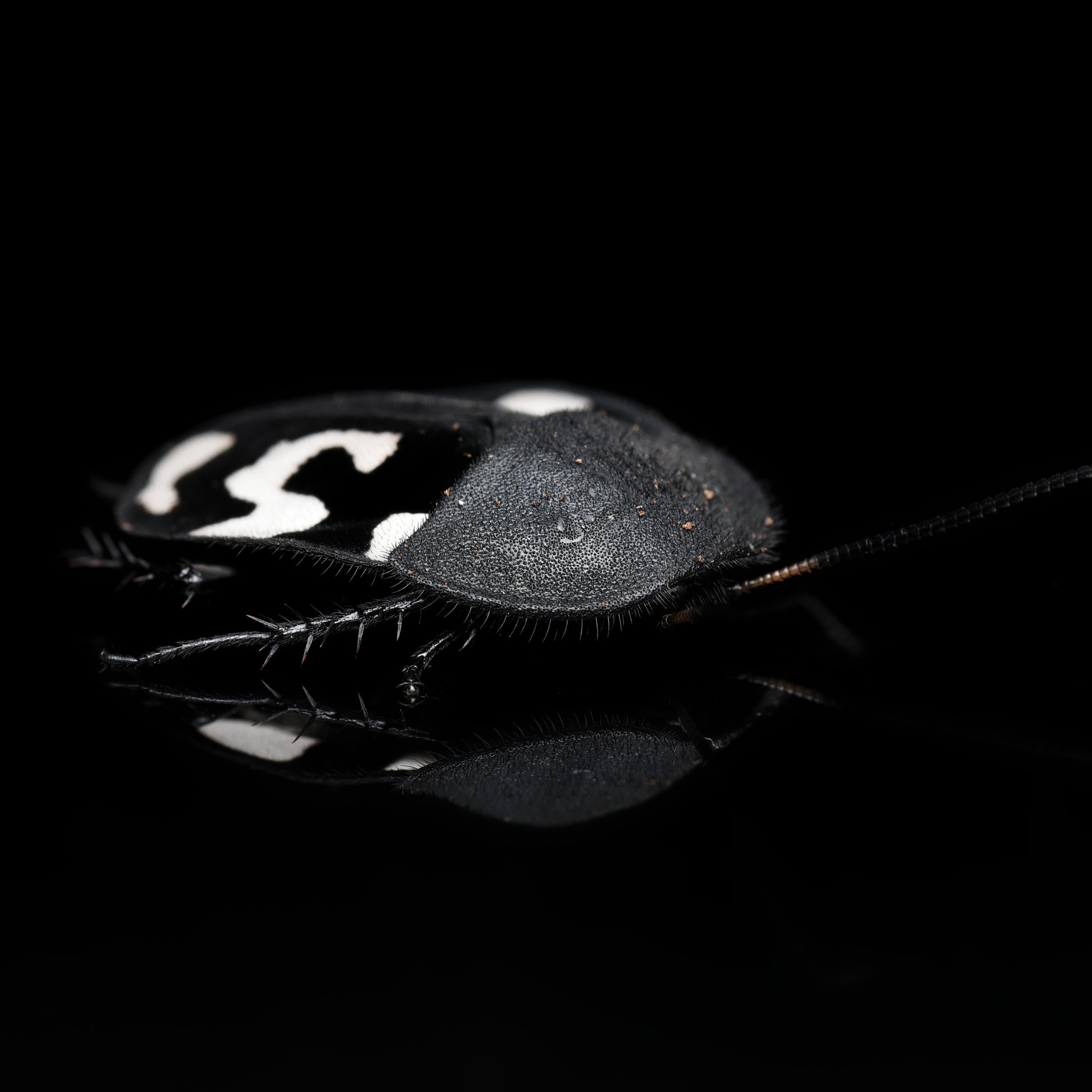
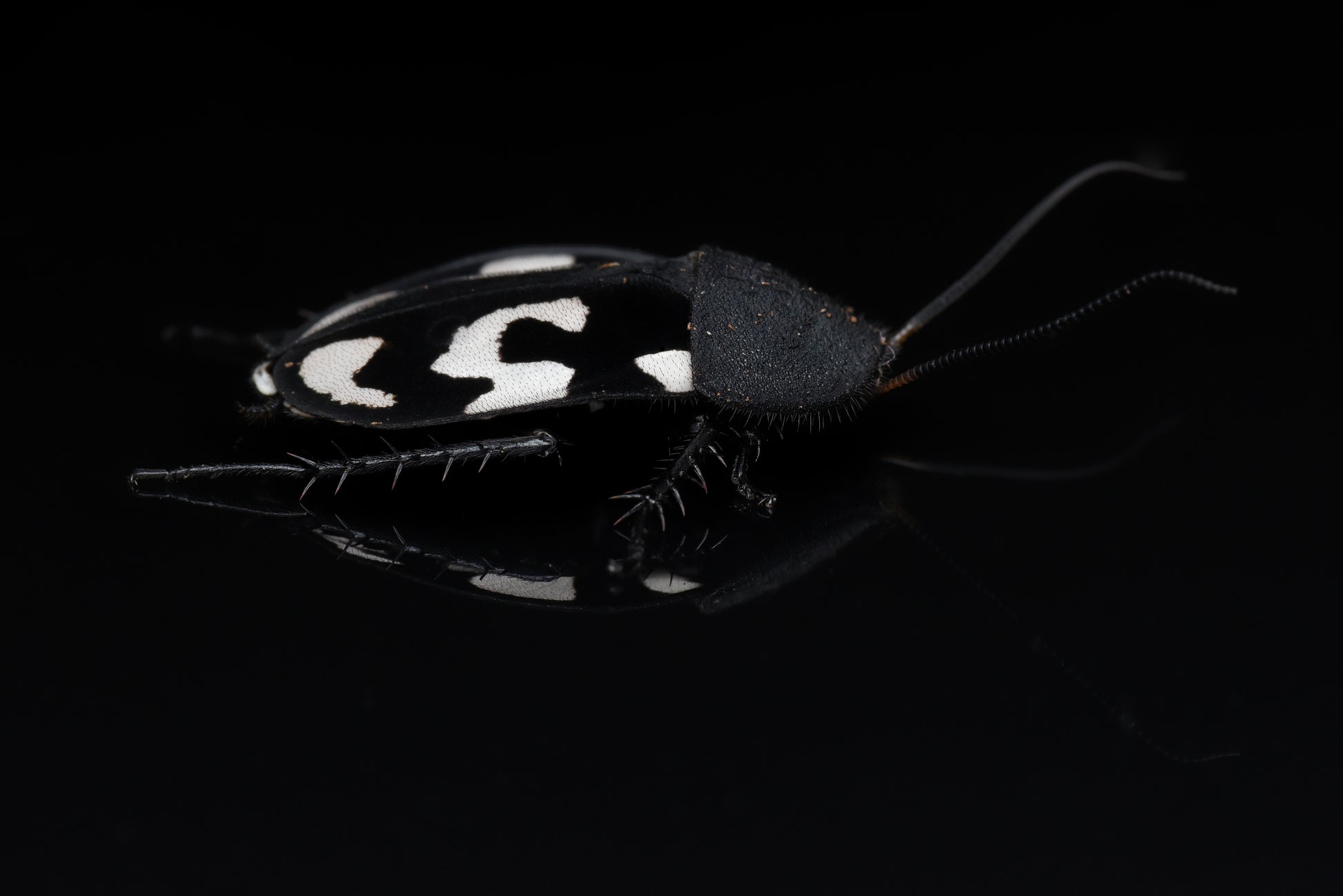
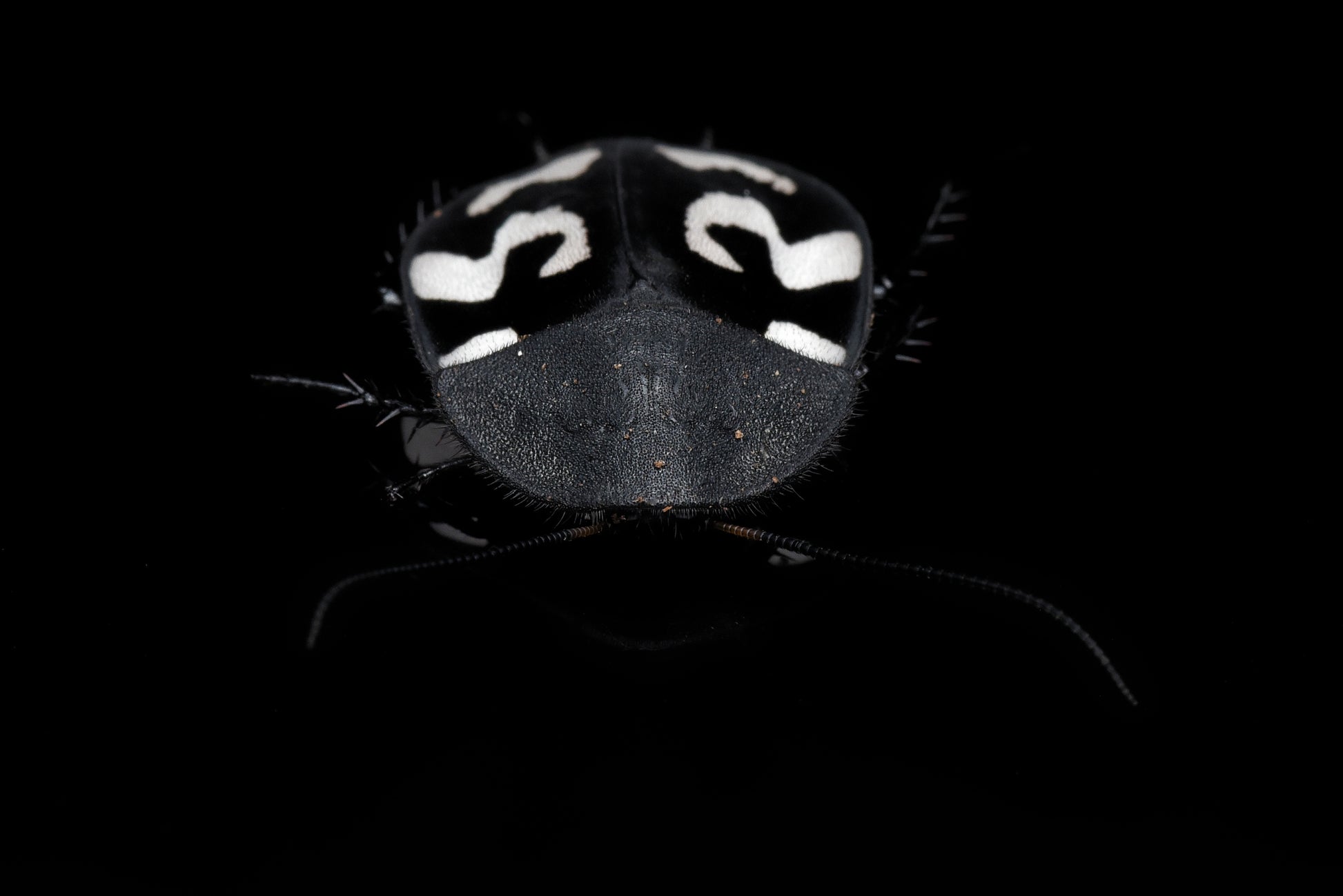
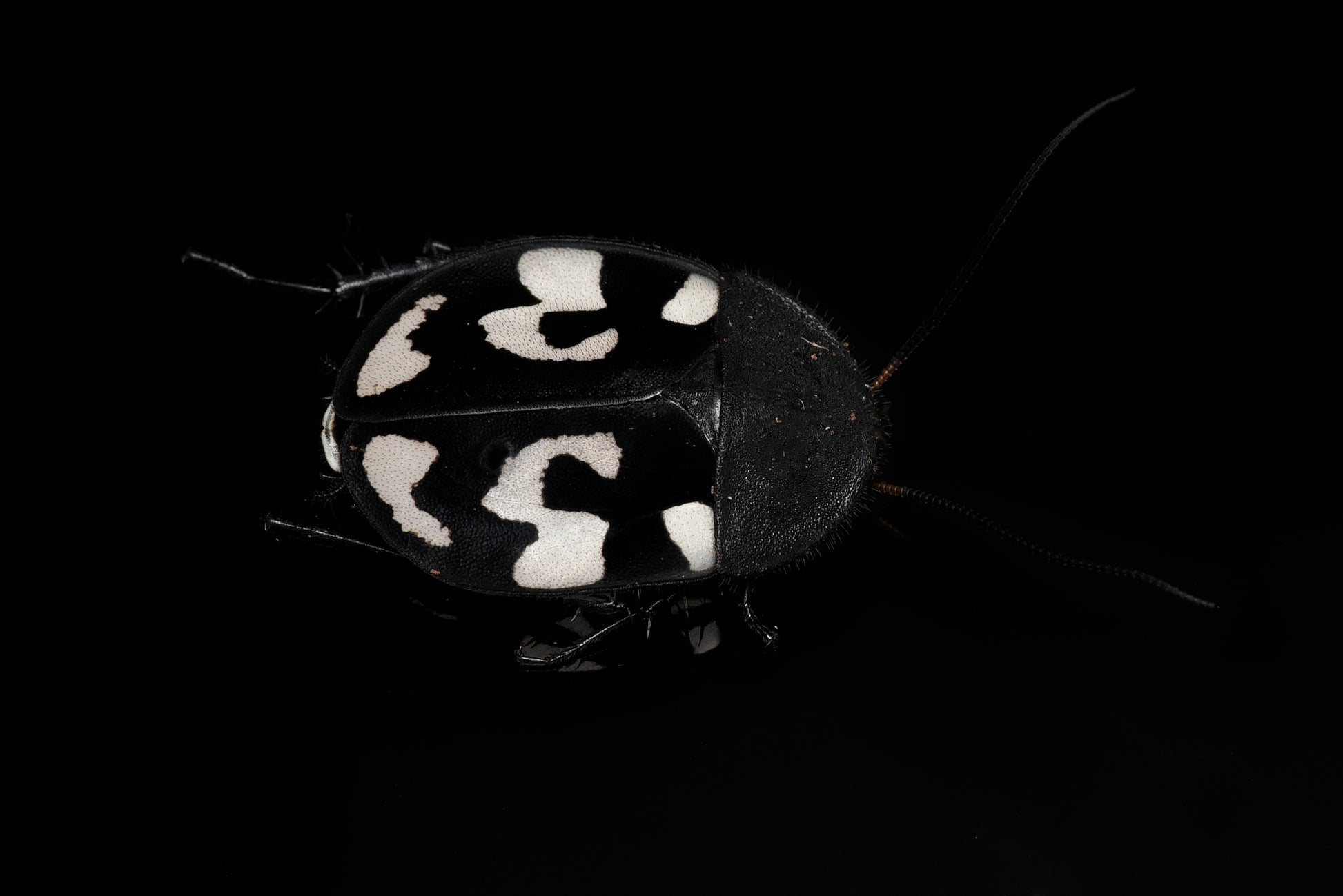
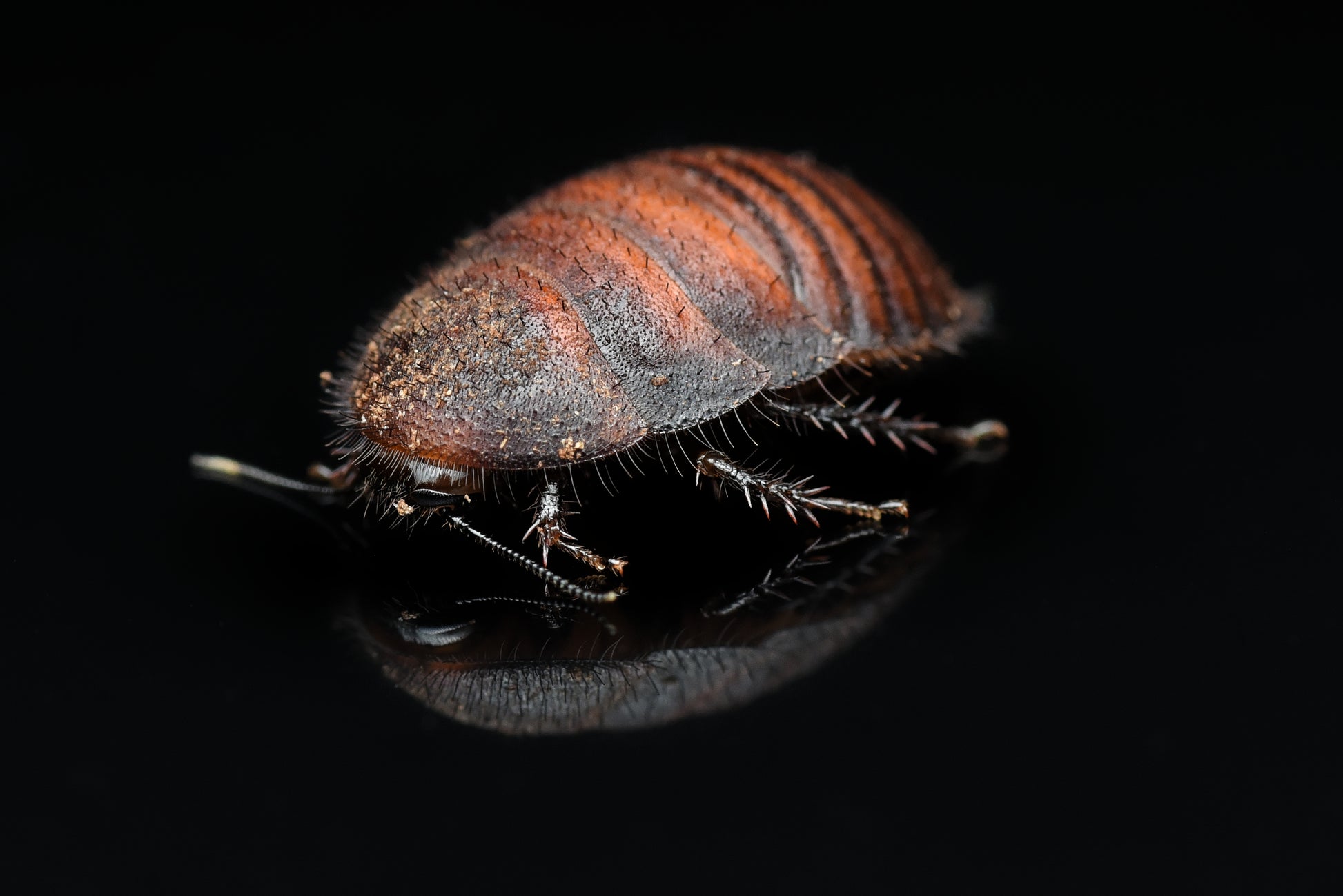
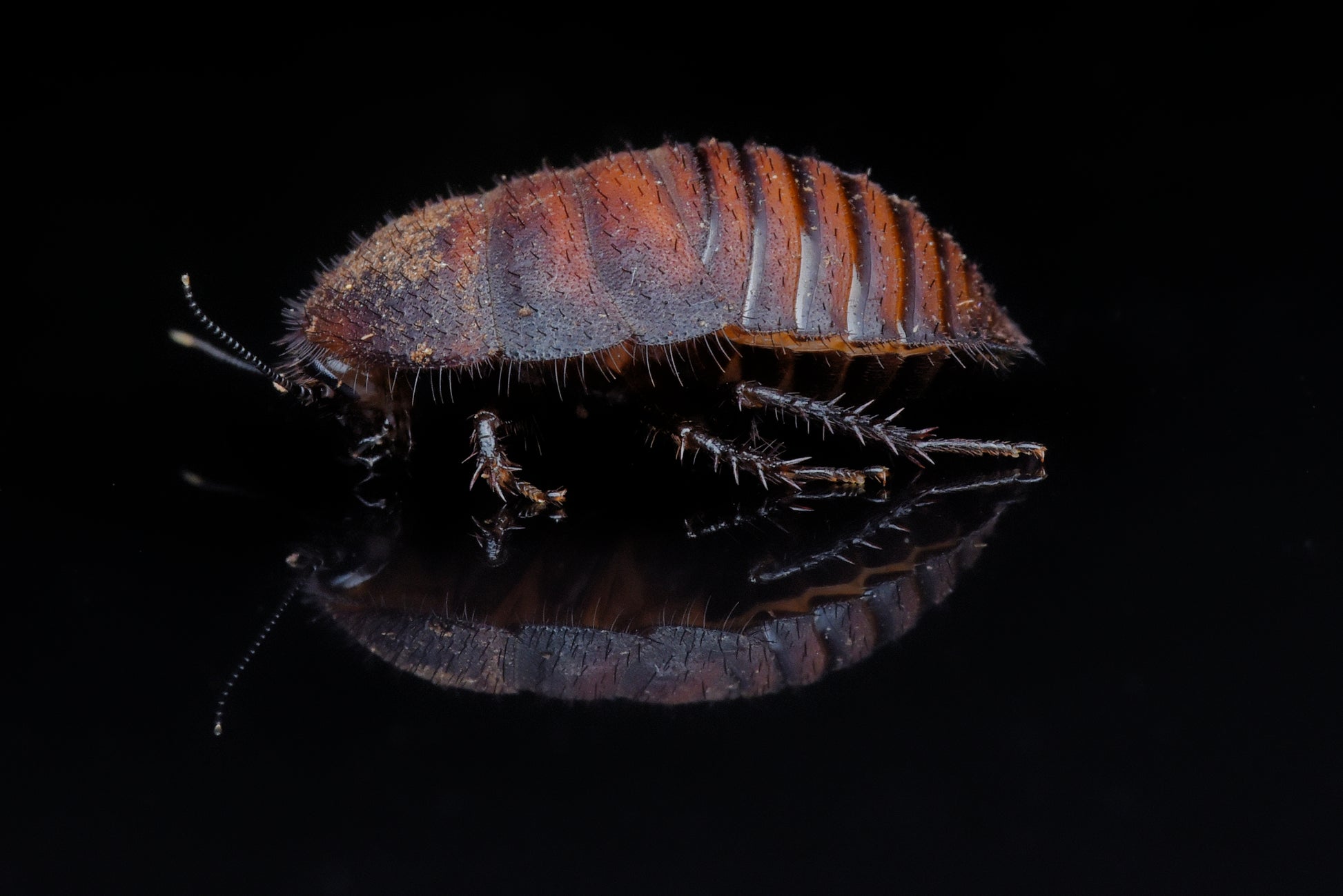
Therea olegrandjeani, often called the "Question-mark cockroach," is an exotic species from the dry forest areas of India. It gets its name from the striking white spots on its black body, which form a pattern resembling a question mark. This rare and eye-catching pattern makes it a particularly fascinating cockroach that will attract attention in any terrarium, and it is indeed the most popular Therea species in the hobby. Furthermore, there is the fun story that it was a Dane (Ole Grandjean) who discovered it back in 2008 and even had it named after him.
As a calm, easy, and attractive species, the Question-mark cockroach is ideal for both beginners and experienced terrarium owners.
Care guide for Therea olegrandjeani:
Terrarium:
Size: A terrarium of at least 20 liters is suitable for a small group of cockroaches. See our article on terrariums for insects.
Substrate: Use a mix of coconut fiber, peat, or another moisture-retaining substrate. We use our own special soil for terrariums with all our cockroaches. A layer of approx. 5 cm is ideal, as it allows the cockroaches to burrow. Our insect food mix can advantageously be placed on top of the substrate.
Decor: Add pieces of bark, leaves, and branches so the cockroaches can hide, as they prefer dark and sheltered areas.
Temperature and Humidity:
Temperature: Keep the terrarium between 24-28°C during the day; it can drop to around 20°C at night.
Humidity: The humidity should be kept moderate, around 50-60%. This can be achieved by spraying the terrarium lightly with water a few times a week.
Food:
Feeding: Therea olegrandjeani is more or less omnivorous. They thrive well on vegetables such as carrots, apples, and potatoes, as well as dry food like fish food or dog kibble. Ensure the vegetables are organic! Remember calcium and minerals.
Water: Ensure fresh water is always available. Use a shallow dish to prevent drowning accidents. You can also line one corner of the terrarium with damp sphagnum moss, which you ensure is kept moist at all times.
Cleaning and Maintenance:
Remove any uneaten food scraps regularly to avoid mold and unwanted odors.
Add bioactive organisms that help keep the terrarium clean. See our article on the bioactive terrarium.
With proper care, Therea olegrandjeani can live up to 1-2 years in captivity, and they are a pleasure to observe in their daily activities. They will also continuously breed and produce offspring.
Brief description
Brief description
Feed
Feed
- Fruit and vegetables (apple, carrot, etc.)
- Withered leaves and rotten wood
- Fish food, cat pellets, dog pellets, rolled oats
- Cuttlebone or eggshells
- Specialized feed
Difficulty level
Difficulty level
Between
NB
NB
Can fly
Quantity
Quantity
15 pcs. (mixed sizes)