Buy 4 packs of seeds (or more) and get a 10% discount
a Piece of Nature
Chusan palm (Trachycarpus fortunei) | seeds, 10 pcs.
Chusan palm (Trachycarpus fortunei) | seeds, 10 pcs.
Couldn't load pickup availability
FROST TOLERANT
- Latin name: Trachycarpus fortunei
- Danish names: Hørpalme, kinesisk hørpalme
- English names: Windmill palm, Chinese windmill palm, Chusan palm
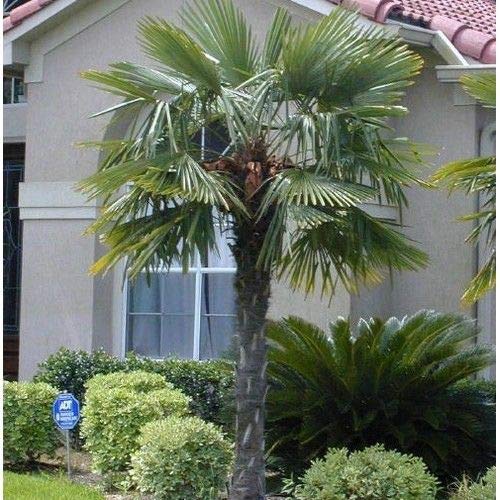
Trachycarpus fortunei is one of the most cold-tolerant palms in cultivation and at the same time one of the best palm species for the Danish climate. It forms an upright, slender trunk with a crown of large, fan-shaped leaves and can over the years develop into an impressive palm that gives the garden a distinctly exotic touch.
The species has been cultivated in China for a very long time, and its precise original distribution is therefore difficult to determine. It is especially associated with central and eastern China and also occurs in parts of the Himalayan region. Unlike classic tropical palms, the windmill palm is adapted to areas with cool winters and can grow in mountain regions where it is exposed to both frost and snow.
One of the windmill palm's most characteristic features is the trunk, which is densely covered with coarse, brown fibers from the old leaf bases. The fibers form an insulating layer around the trunk and have traditionally been used for such things as rope, mats, brooms, and other woven products. In old plants, parts of the fibers may eventually fall off, revealing the more slender trunk underneath.
The large leaves are almost circular and divided into numerous segments, which together form the characteristic fan. The leaf stalks lack the strong thorns found, for example, on Washingtonia palms, which also makes the windmill palm easier to handle in the garden.
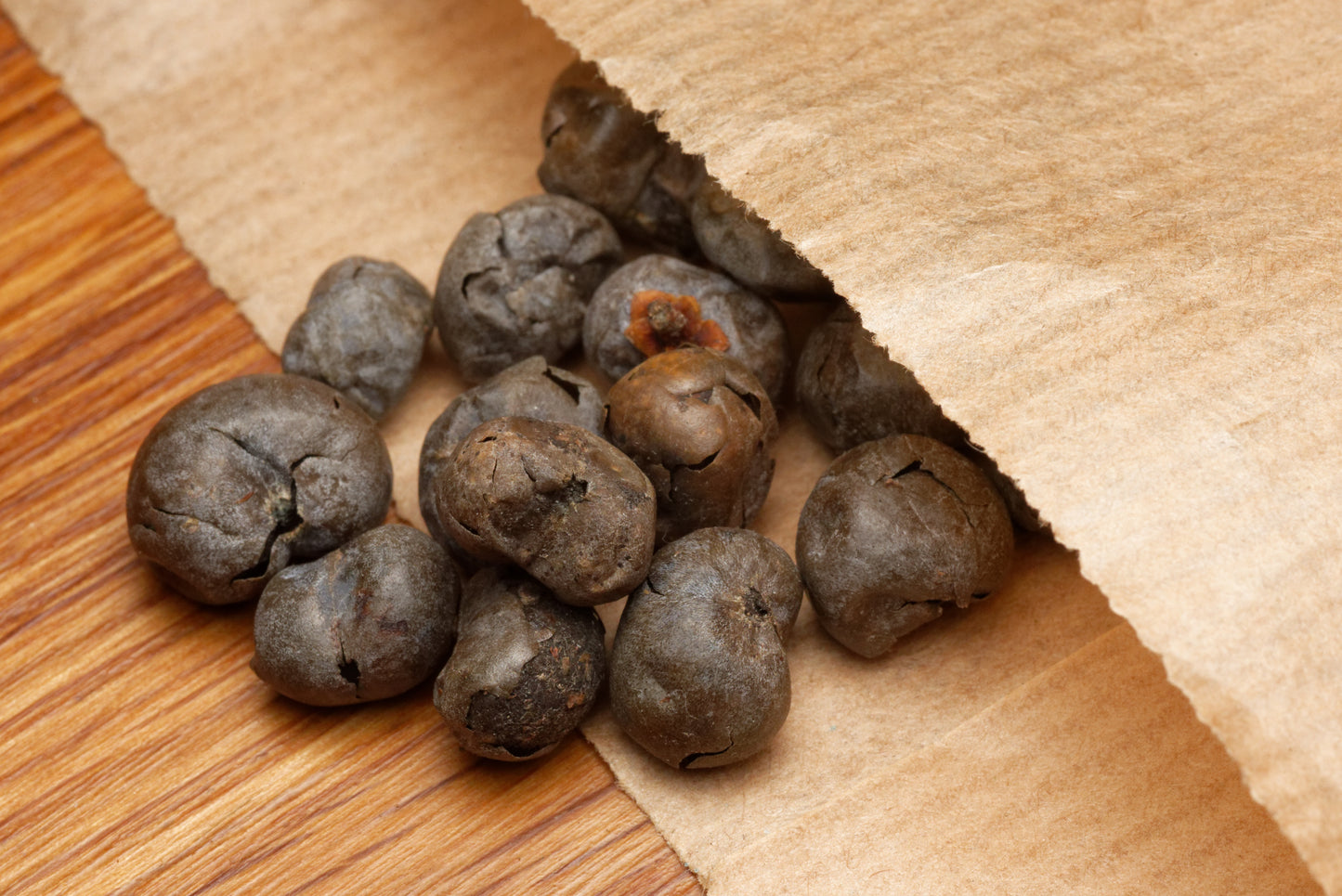
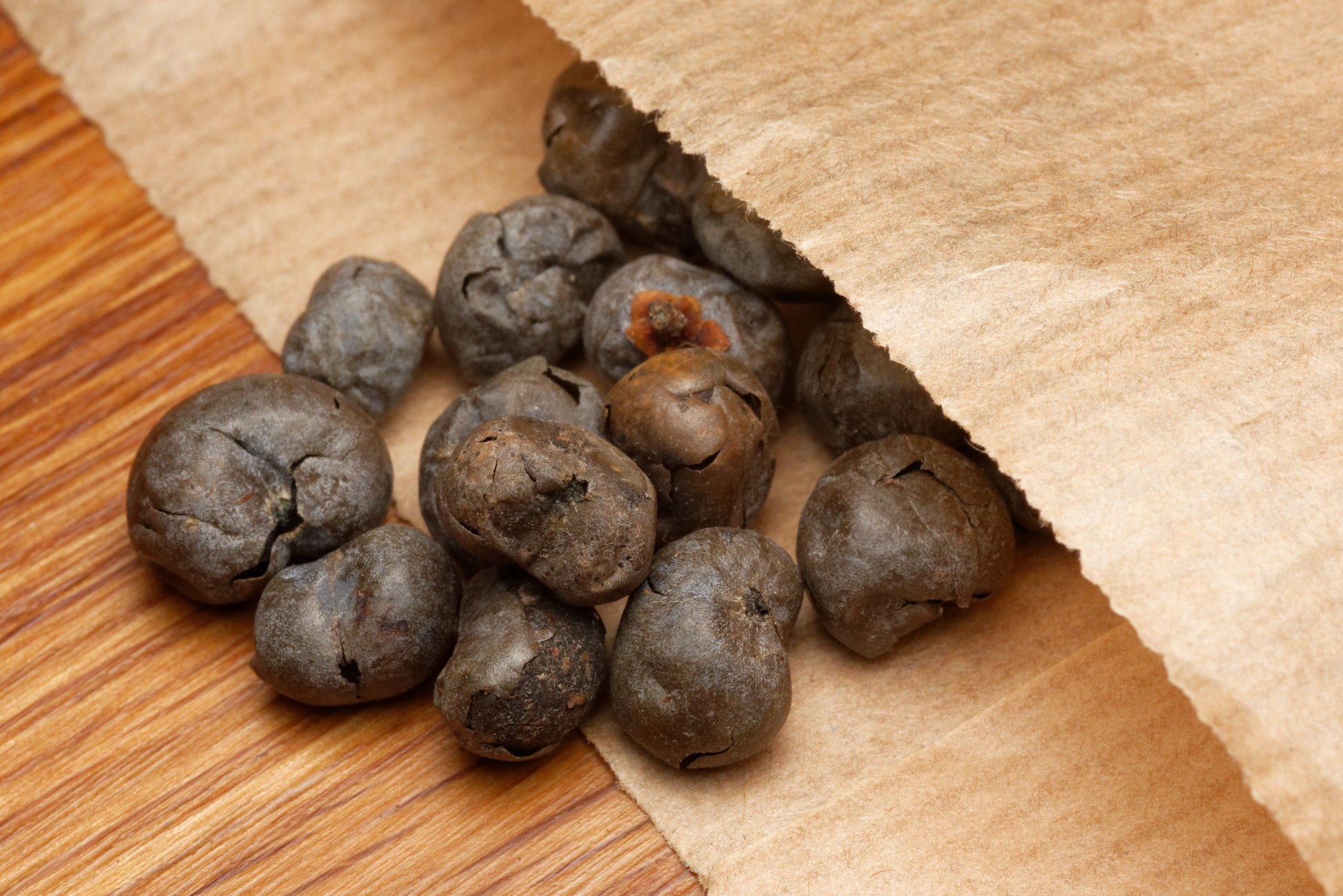
Trachycarpus fortunei is dioecious, which means that male and female flowers are usually found on different plants. Older plants can develop large, strongly branched yellow inflorescences in the spring. If both male and female plants grow near each other, the female plants can, after pollination, produce small, bluish to almost black fruits with seeds.
If you are interested in both hardy and more exotic palms, you can explore our entire selection of palm seeds.
Cultivation and requirements
Trachycarpus fortunei is relatively easy to grow and thrives well in the Danish summer climate. It prefers:
- Sun to partial shade and preferably a sheltered location
- A nutrient-rich, well-drained soil
- Regular watering throughout the growing season
- Good access to nutrients in the spring and summer months
- Protection against strong wind, which can otherwise fray the leaves
The windmill palm is among the most cold-tolerant trunk-forming palms. Established plants can, under good conditions, withstand short-term temperatures around -15 °C and in some cases even lower, but hardiness depends on the size of the plant, the duration of the frost, wind, and winter humidity. Young plants are significantly more sensitive.
In Denmark, Trachycarpus fortunei can be grown permanently outdoors in many protected locations. A warm spot by a south- or west-facing wall is particularly suitable. Good drainage is important in winter, and during hard frost periods, the crown and growth point can advantageously be protected. Plants in pots are more exposed to frost than plants growing with their roots in the ground.
Growing from seed
The windmill palm is a good palm to try from seed. The seeds can advantageously be placed in lukewarm water for 24-48 hours before sowing.
- Sow in an airy and well-drained seed compost (alternatively, the bag germination method can be used)
- Cover the seeds with approximately 1 cm of seed compost
- Keep the temperature around 20-25 °C
- Keep the seed compost evenly moist, but not wet
- The seeds do not normally require cold stratification
Germination can begin after a few weeks, but is often irregular and can stretch over several months. The windmill palm does not need the very high germination temperature that many tropical palms require, and excessive heat is not necessarily an advantage.
After germination, the plant first develops individual narrow leaves. The characteristic fan-shaped leaves appear gradually as the plant grows larger. Young palms develop a good root system and can advantageously be grown in our tall palm pots, which provide extra space for root development.
- See also our article on germinating palm seeds.
Utility and collector value
Trachycarpus fortunei has a long history as a useful and ornamental plant in Asia. The strong fibers around the trunk have traditionally been used for, among other things, rope, brushes, mats, and other products where a robust plant fiber has been useful.
In Europe, the species has primarily become popular as an ornamental palm. Its unusual cold tolerance makes it possible to create an almost subtropical expression in gardens far outside the climate normally associated with palms. It is therefore also seen as larger, planted specimens in parts of Northern and Central Europe. See also our entire selection of hardy plant seeds.
The windmill palm is particularly interesting in a Danish palm collection because it can over time go from being a small potted plant to a permanent part of the garden. In a good growing location, it can, after establishment, grow quite satisfactorily and after many years develop a tall trunk with a large crown of fan leaves.
Trachycarpus fortunei is therefore an obvious choice both for the beginner who wants to try growing their first palm from seed, and for the more experienced palm enthusiast who wants an exotic palm with a real possibility for planting out in Denmark.
Seed germination
Seed germination
Childcare
Childcare
Size
Size
Up to 12 meters
Difficulty level
Difficulty level
Beginner
NB
NB