a Piece of Nature
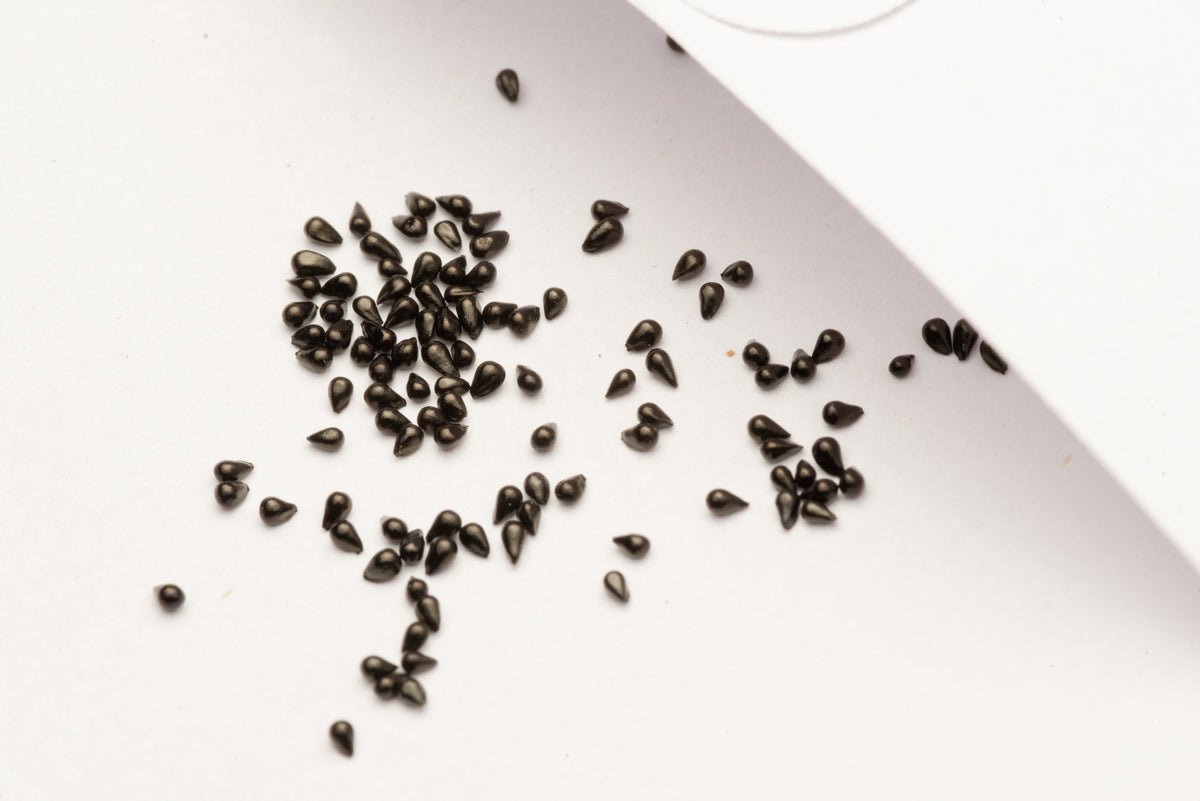
Venus flytrap (Dionaea muscipula) (Sawtooth mix) | seeds, 10 pcs.
Venus flytrap (Dionaea muscipula) (Sawtooth mix) | seeds, 10 pcs.
Couldn't load pickup availability
- Latin name: Dionaea muscipula "Sawtooth mix"
- Danish names: Venusfluefanger, venusfluefælde
- English name: Venus flytrap
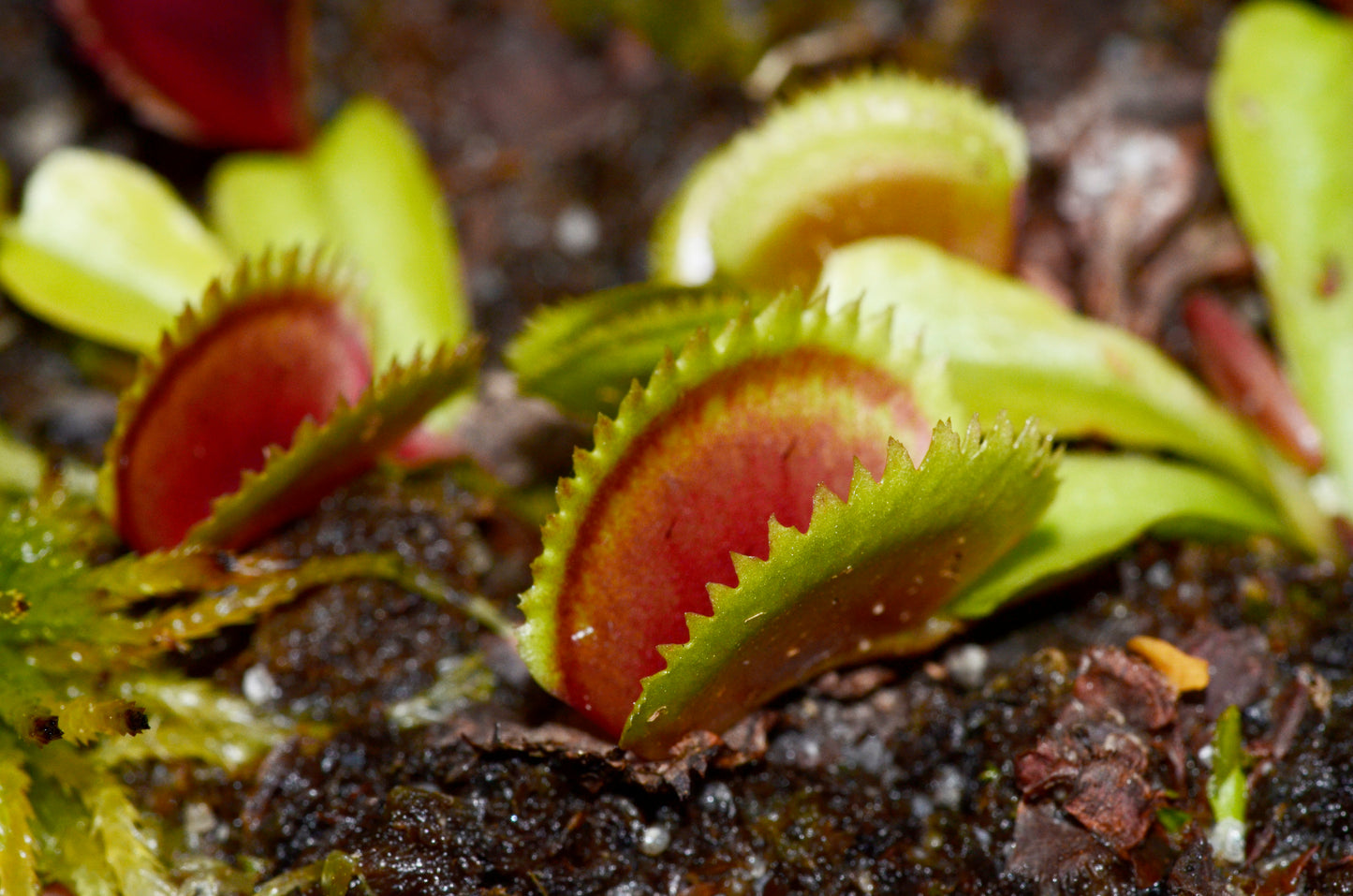
Note: This is a mix of seeds from various "Sawtooth" types and related forms. The seedlings will therefore vary, and it is not possible to predict exactly which traits each individual plant will develop. Common to the plants is the tendency toward the characteristic saw-toothed or finely serrated trap edges, which differ from the classic Venus flytrap.
Dionaea muscipula is without a doubt the most iconic of all carnivorous plants – a botanical sensation that fascinates children, collectors, and researchers alike. The species originates from a small area in North and South Carolina in the USA, where it grows in nutrient-poor, moist bogs. To survive in these nutrient-deficient environments, it has developed a spectacular strategy: catching and digesting insects.
The plant forms a low rosette of leaves, with the outer ends forming the famous traps. In the Sawtooth forms, the normal teeth along the edge of the trap are replaced by shorter, more serrated outgrowths, giving the traps a very unique appearance. When an insect touches the trap's sensory hairs several times within a short period, the trap snaps shut in a fraction of a second. Digestive enzymes are then secreted, breaking down the prey and giving the plant access to the nutrients missing in its natural habitat.
As these plants are grown from seed, variations in size, color, and the degree of serrated trap edges may occur. This makes this seed mix particularly exciting for collectors who want to follow the development of unique individuals. Also, see our other Venus flytrap variants among our carnivorous plant seeds.
Cultivation and requirements
Dionaea muscipula requires moist, nutrient-poor soil and plenty of light. It thrives best in pure sphagnum moss or a mixture of sphagnum and perlite, or our special soil for carnivorous plants. Ordinary potting soil should be avoided, as the nutrients can damage the roots.
Use only rainwater, demineralized water, or distilled water. Water containing lime can damage the plant over time.
The plant should be placed in a very bright location, preferably in full sun, and the soil must be kept constantly moist. In the summer, it can be beneficial to keep it outdoors, where it can catch its own insects and develop robust traps.
To thrive in the long term, the Venus flytrap requires a winter dormancy period. During the winter months, it should be kept cool at approximately 5–10 °C, where growth stalls and some of the leaves wither away. This is a natural and essential part of the plant's life cycle.
Cultivation from seed
The seeds should be sown superficially on moist sphagnum moss or soil for carnivorous plants and must not be covered with soil. They require light to germinate.
- Sow on the surface of moist soil
- Temperature of 22–28 °C
- High humidity during germination
- Bright location without letting it dry out
Germination typically takes 4–8 weeks, but can in some cases take longer. The young plants grow slowly at first but gradually develop larger and more characteristic traps.
Utility and collector value
Although Dionaea muscipula does not have traditional utility value, it is one of the world's most popular carnivorous plants. Its rapid movements and fascinating trapping mechanism make it an obvious choice for both beginners and experienced collectors.
The Sawtooth forms are particularly sought after among enthusiasts, as they provide a different and more dramatic look than the classic Venus flytrap. Since this is a seed mix, each plant can develop its own unique expression, which makes growing them extra exciting.
Countless forms and colors
Since Dionaea muscipula became truly popular in cultivation, a wealth of exciting cultivars and variants have emerged. Some have deep red traps and leaves, others develop extra-large traps, while others have unusual trap edges, like the Sawtooth forms.
New variants appear continuously through selection and breeding, making the Venus flytrap one of the most varied and fascinating collector plants among carnivorous plants. Each seedling represents a new genetic combination and thus the potential for something truly unique.
Dionaea muscipula 'Sawtooth Mix' is an obvious choice for plant enthusiasts who want to grow their own unique Venus flytraps from seed – a fascinating combination of nature's ingenuity, the joy of collecting, and living evolution.
- See our article about carnivorous plants here.
Size
Size
10 cm
Childcare
Childcare
Difficulty level
Difficulty level
Between
Suitable for
Suitable for
NB
NB
Must be watered with rainwater or demineralized water